Dependabot Can Update AI Agent Skills. Who Reviews What Changed?
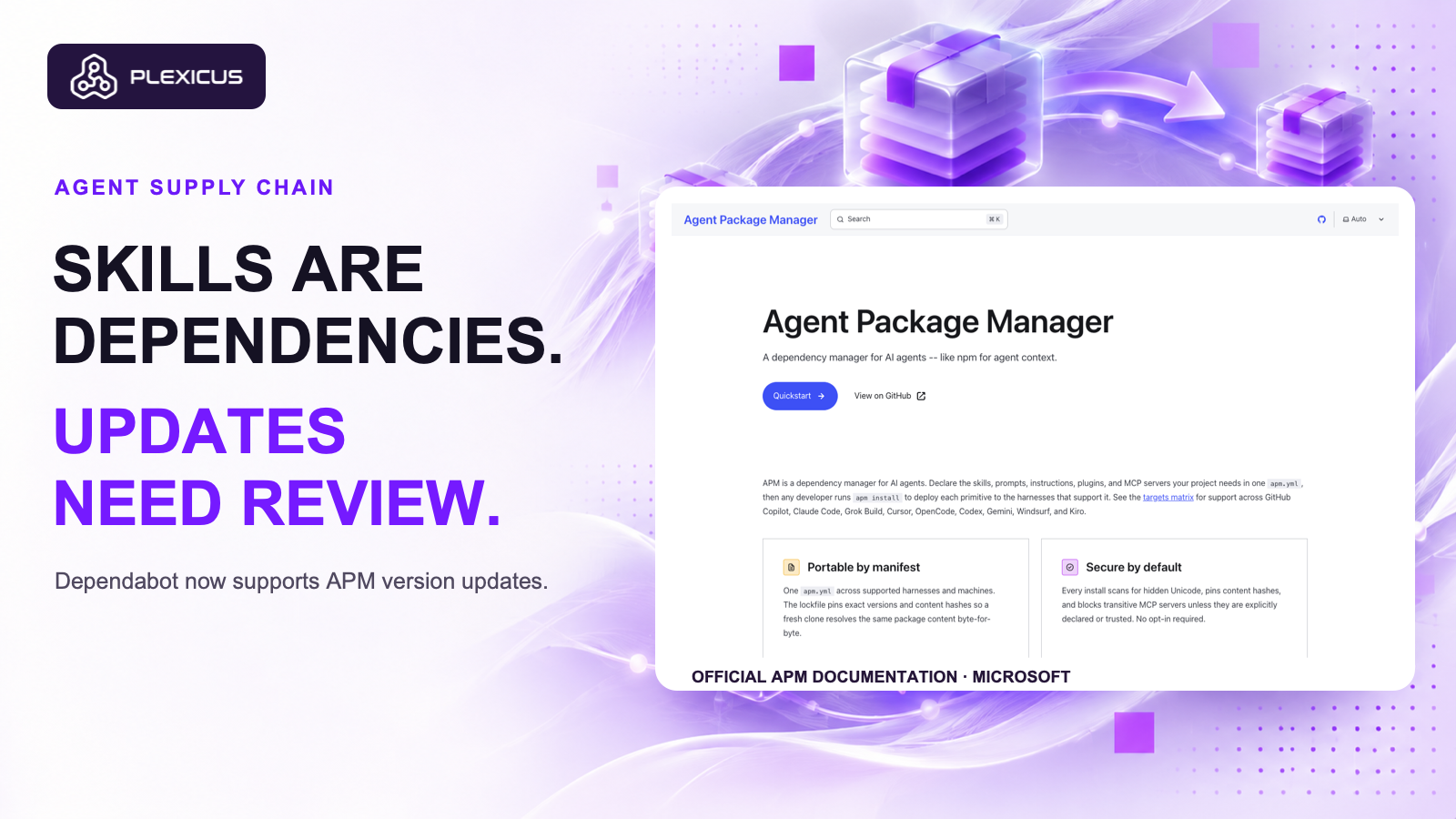
Dependabot can propose version updates for agent dependencies. The change puts skills and instructions into an existing review workflow.
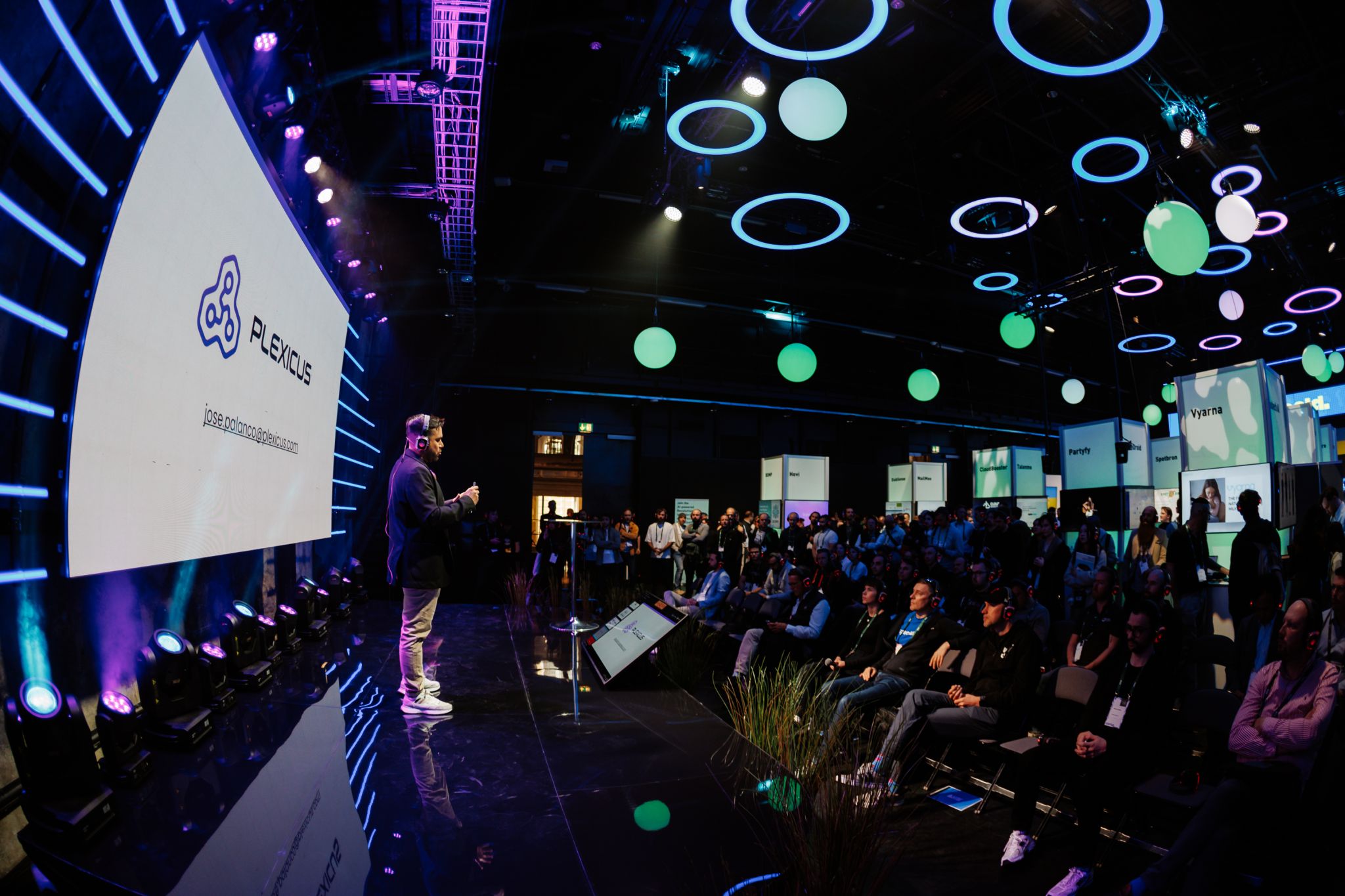
José Ramón Palanco is the CEO/CTO of Plexicus, a pioneering company in ASPM (Application Security Posture Management) launched in 2024, offering AI-powered remediation capabilities. Previously, he founded Dinoflux in 2014, a Threat Intelligence startup that was acquired by Telefonica, and has been working with 11paths since 2018. His experience includes roles at Ericsson`s R&D department and Optenet (Allot). He holds a Telecommunications Engineering degree from the University of Alcala de Henares and a Master`s in IT Governance from the University of Deusto. As a recognized cybersecurity expert, he has been a speaker at various prestigious conferences including OWASP, ROOTEDCON, ROOTCON, MALCON, and FAQin. His contributions to the cybersecurity field include multiple CVE publications and the development of various open source tools such as nmap-scada, ProtocolDetector, escan, pma, EKanalyzer, SCADA IDS, and more.
Dependabot can propose version updates for agent dependencies. The change puts skills and instructions into an existing review workflow.
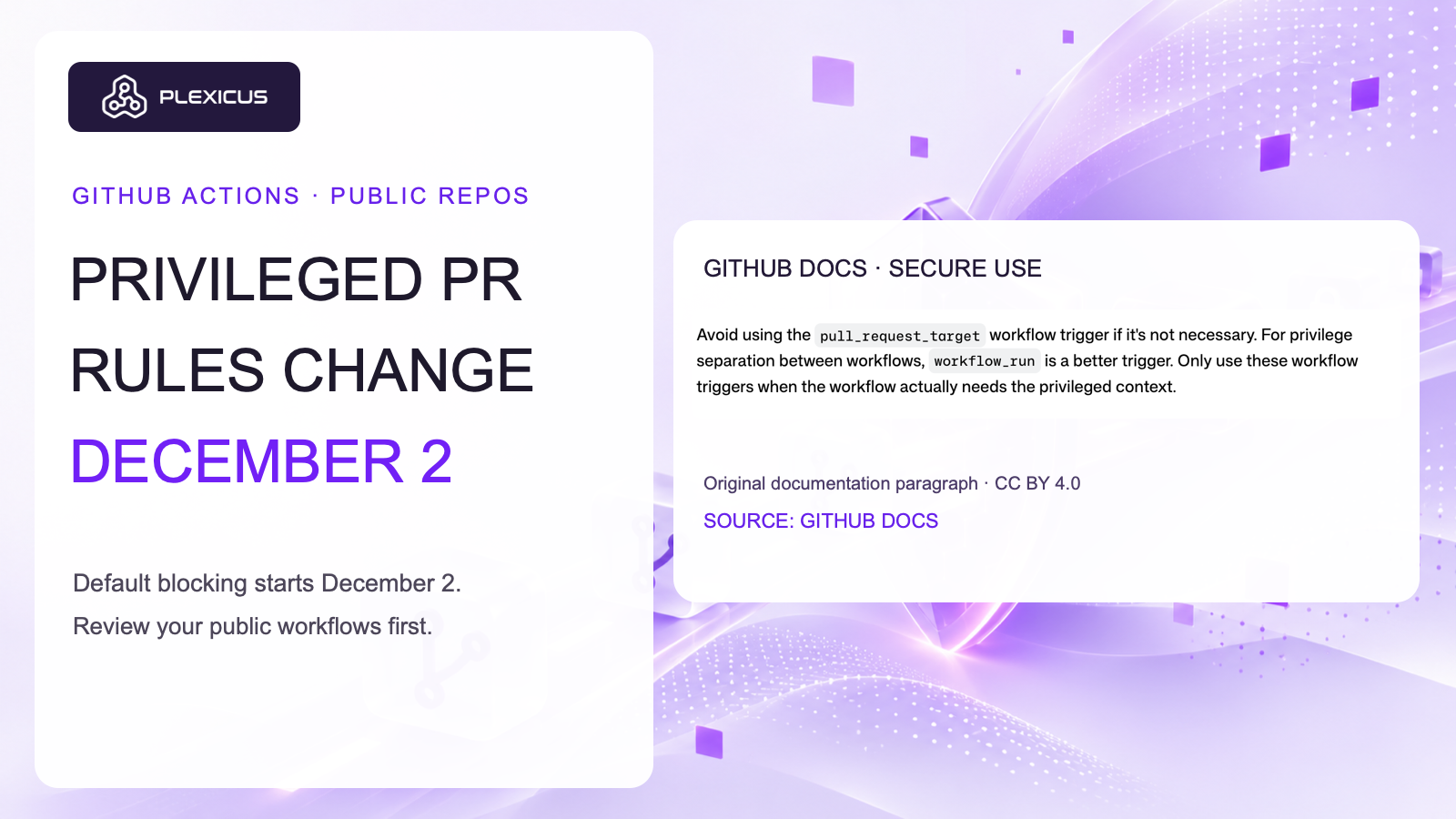
A GitHub Actions policy change puts privileged pull request workflows under scrutiny. Here is what maintainers can do before enforcement.
An internal DeepSeek evaluation separates exploit capability from operational restraint. Define scope, evidence and cleanup before autonomous testing.
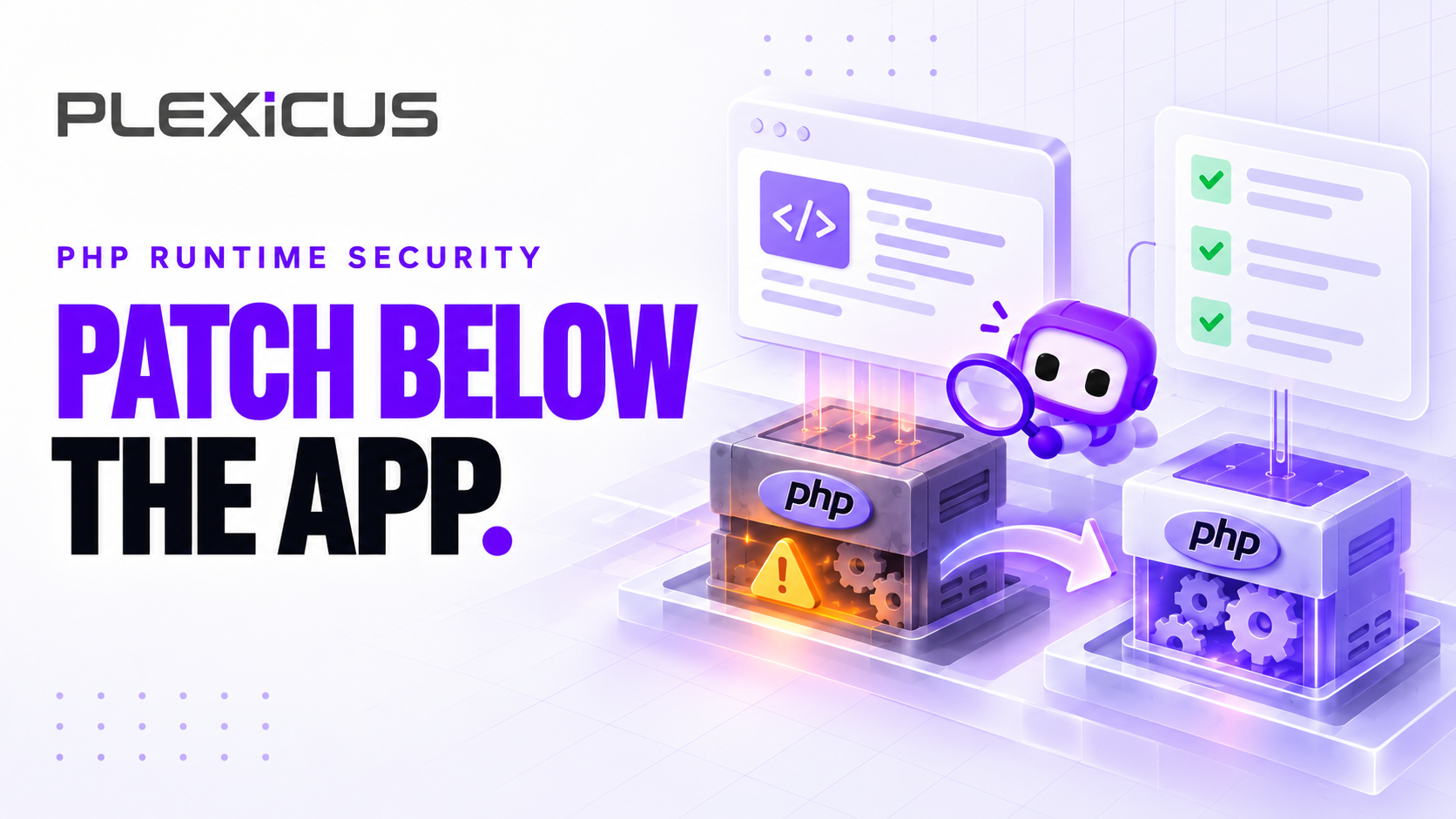
Separate PHP runtime exposure from application findings, verify worker replacement and keep remediation evidence reviewable with Plexicus.
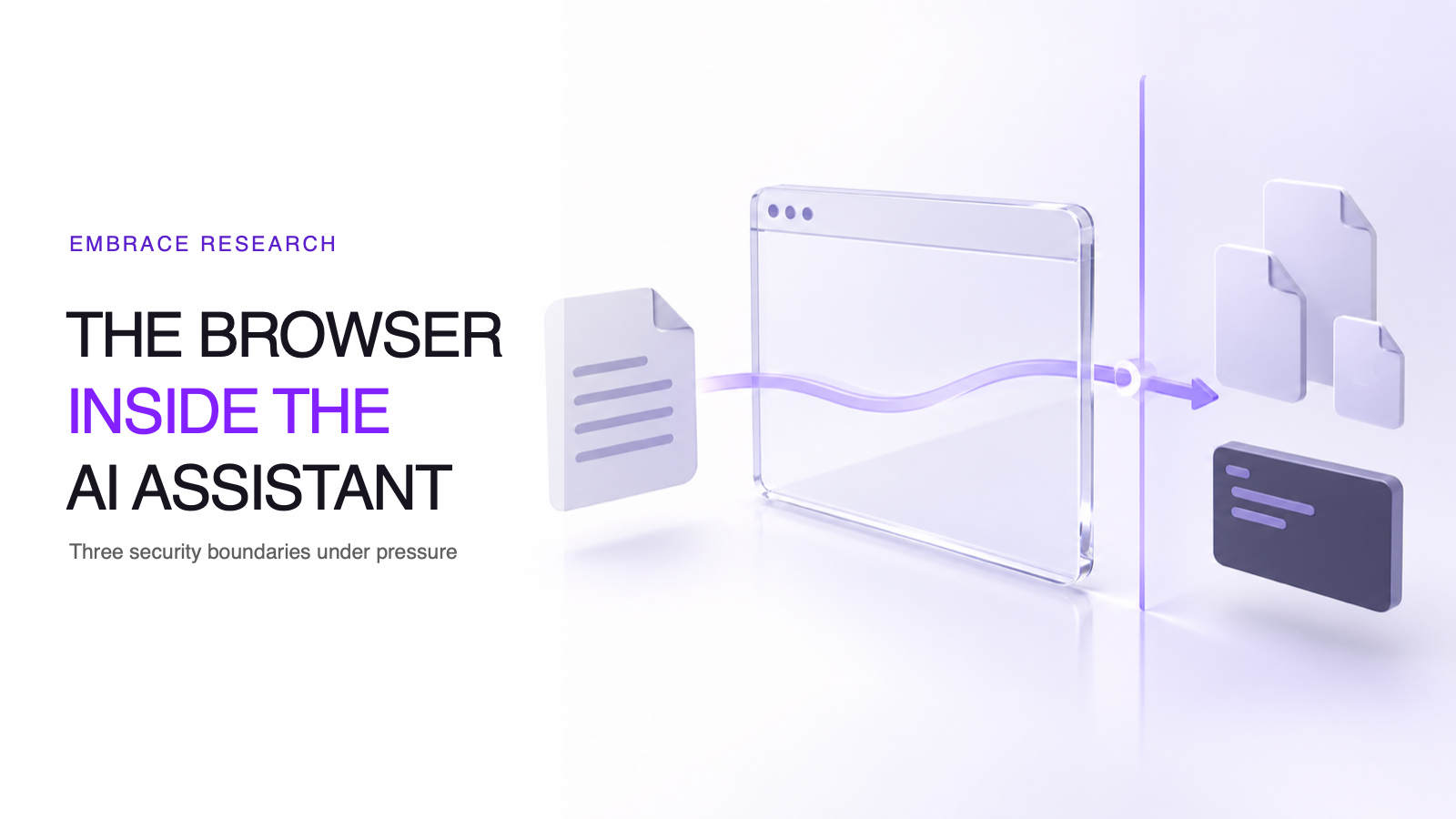
EMBRACE is a useful reminder that an embedded browser does not automatically keep the security boundaries of a standalone browser.
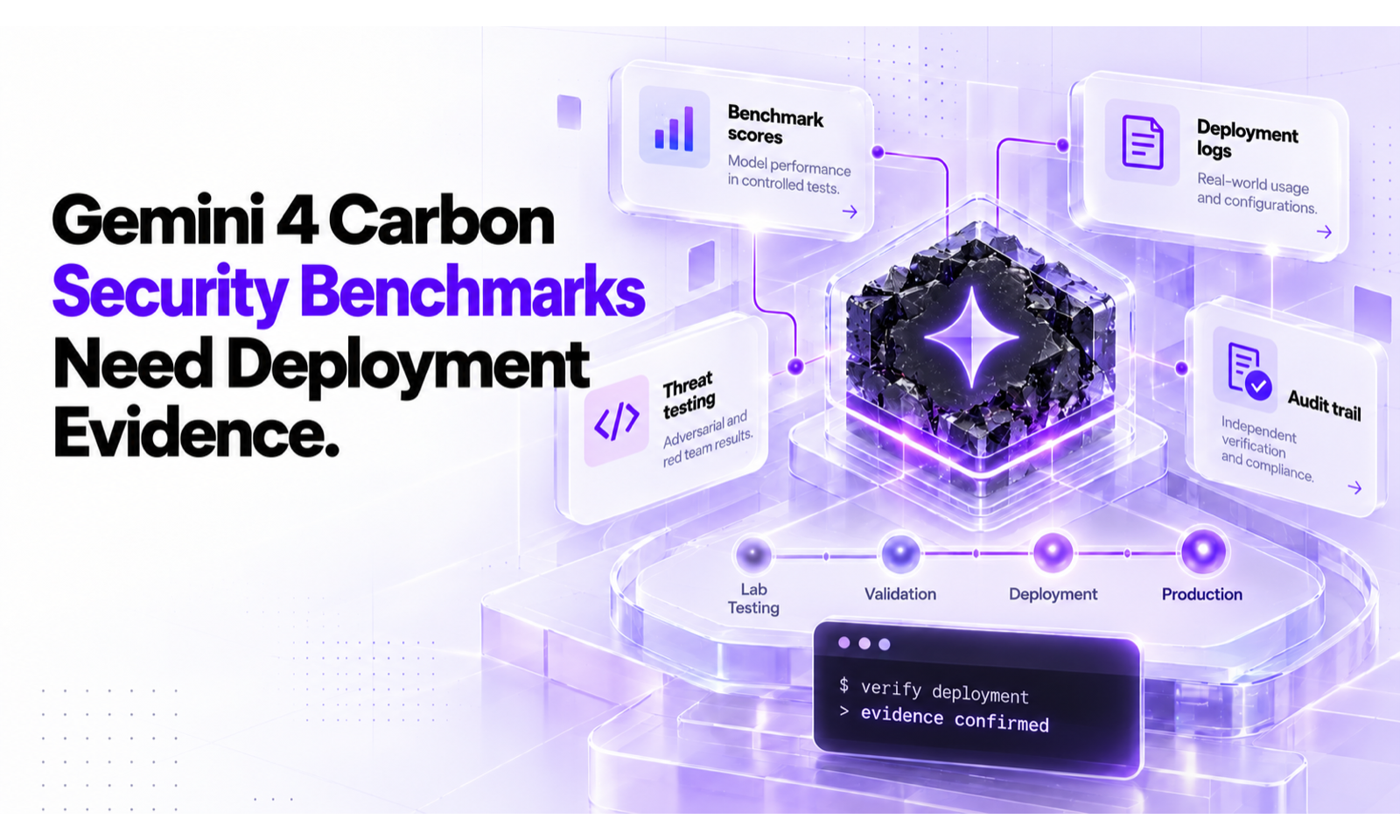
Turn AI security benchmark claims into a scoped evaluation with reproducible findings, reviewed patches and deployment retests.
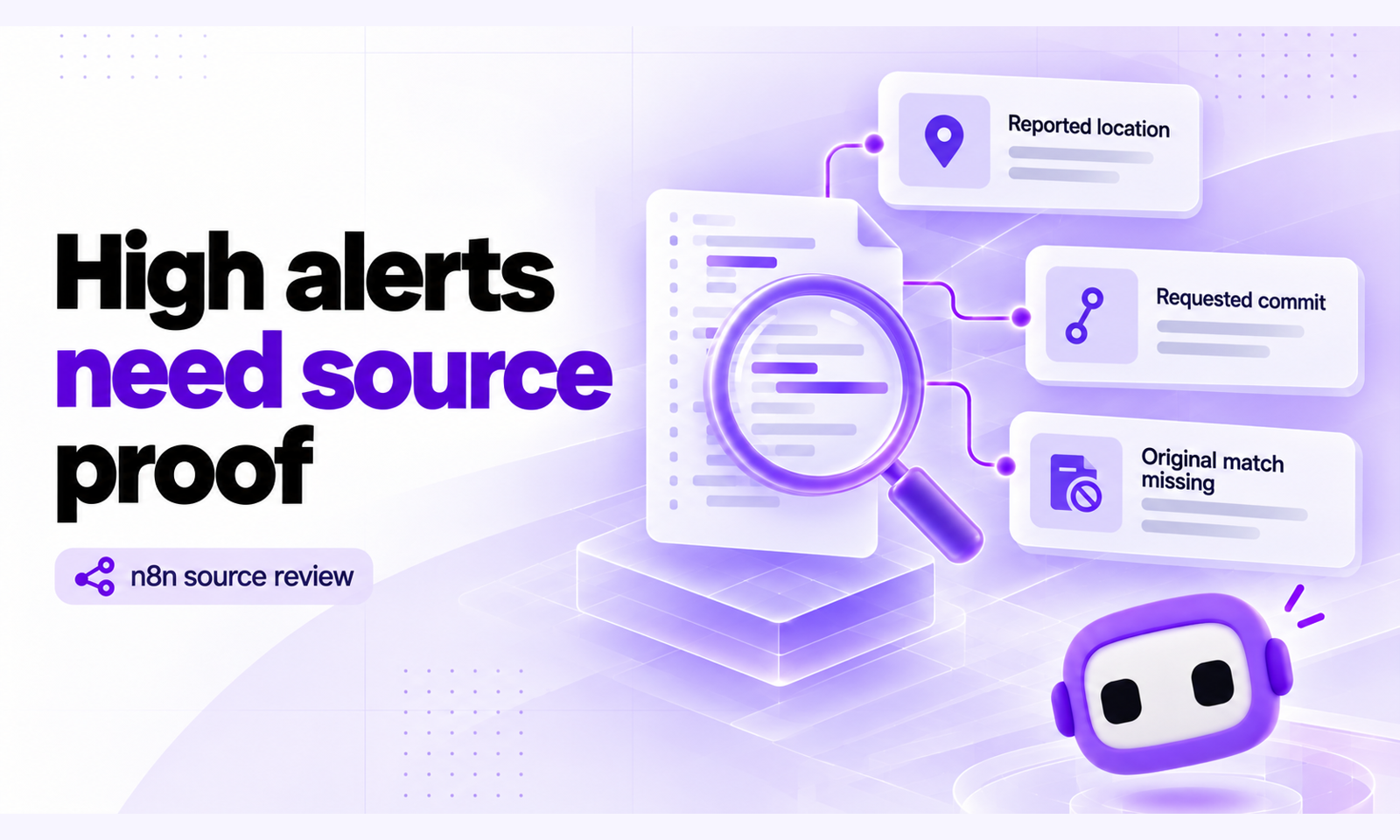
A source review of three high-severity n8n alerts shows why scan provenance and credential context matter before declaring a leak.
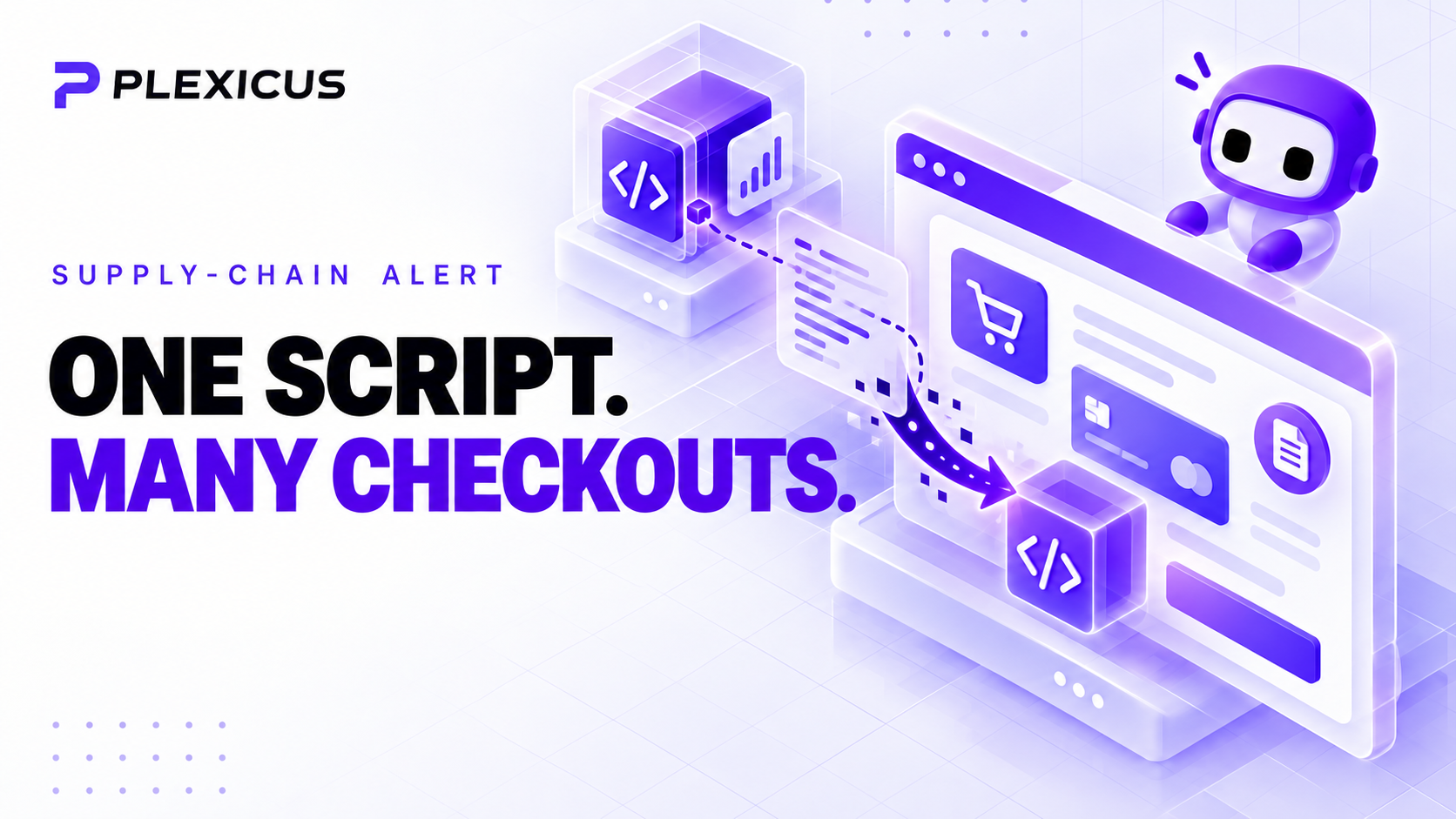
Review browser-loaded scripts, test integrity controls and retain deployment evidence after the Convertr analytics-script incident.
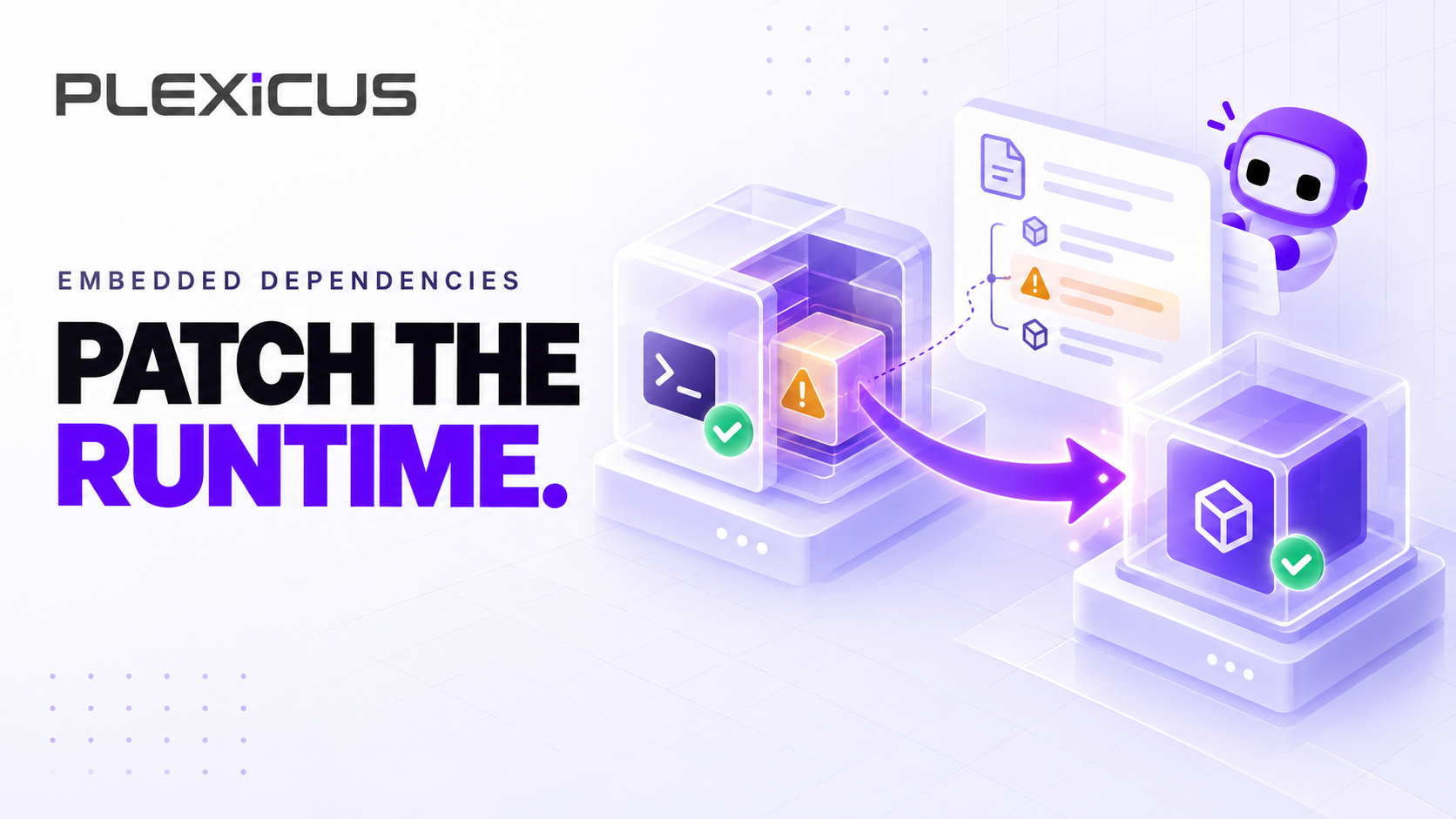
Map embedded Wasmtime dependencies to shipped artifacts, choose the correct advisory fix and verify rebuilt deployments with a Plexicus evidence workflow.
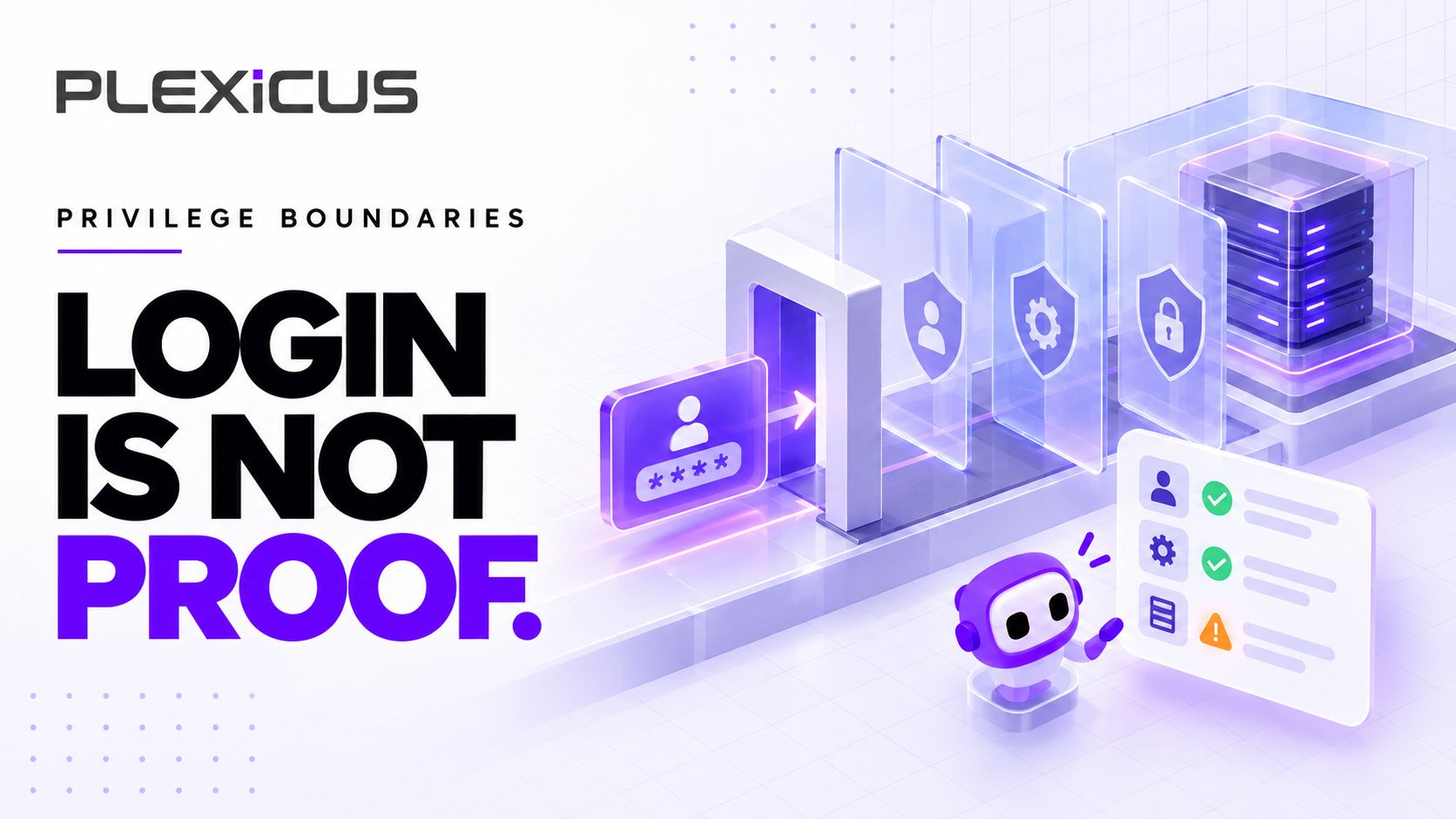
A practical evidence workflow for testing authorization boundaries, connecting code context to impact, and reviewing remediation with Plexicus.
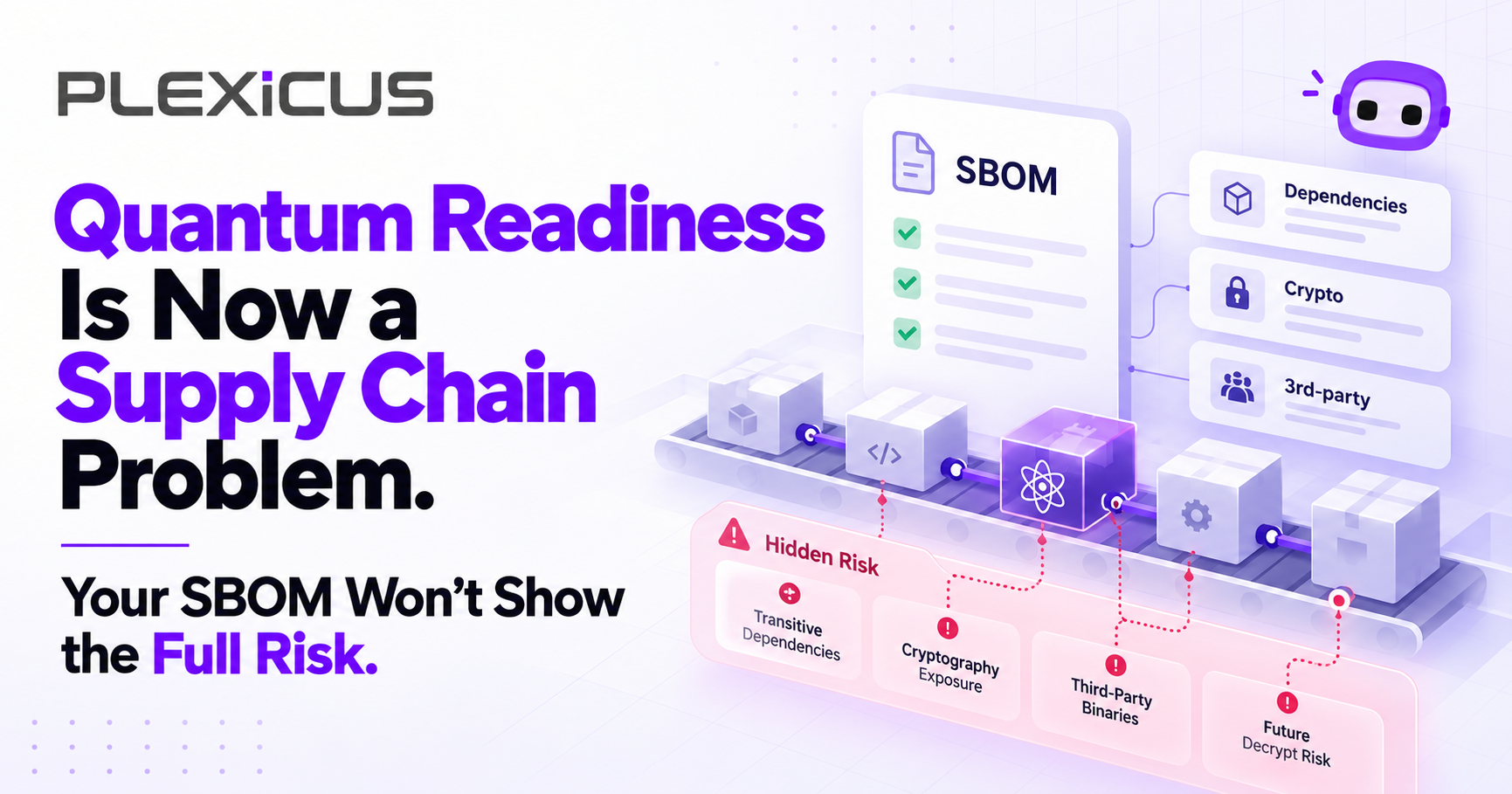
Quantum readiness starts with knowing where cryptography lives. Singapore’s 2026 milestones make discovery urgent, while SBOMs alone cannot show every algorithm, runtime setting or supplier dependency that may need a migration plan.
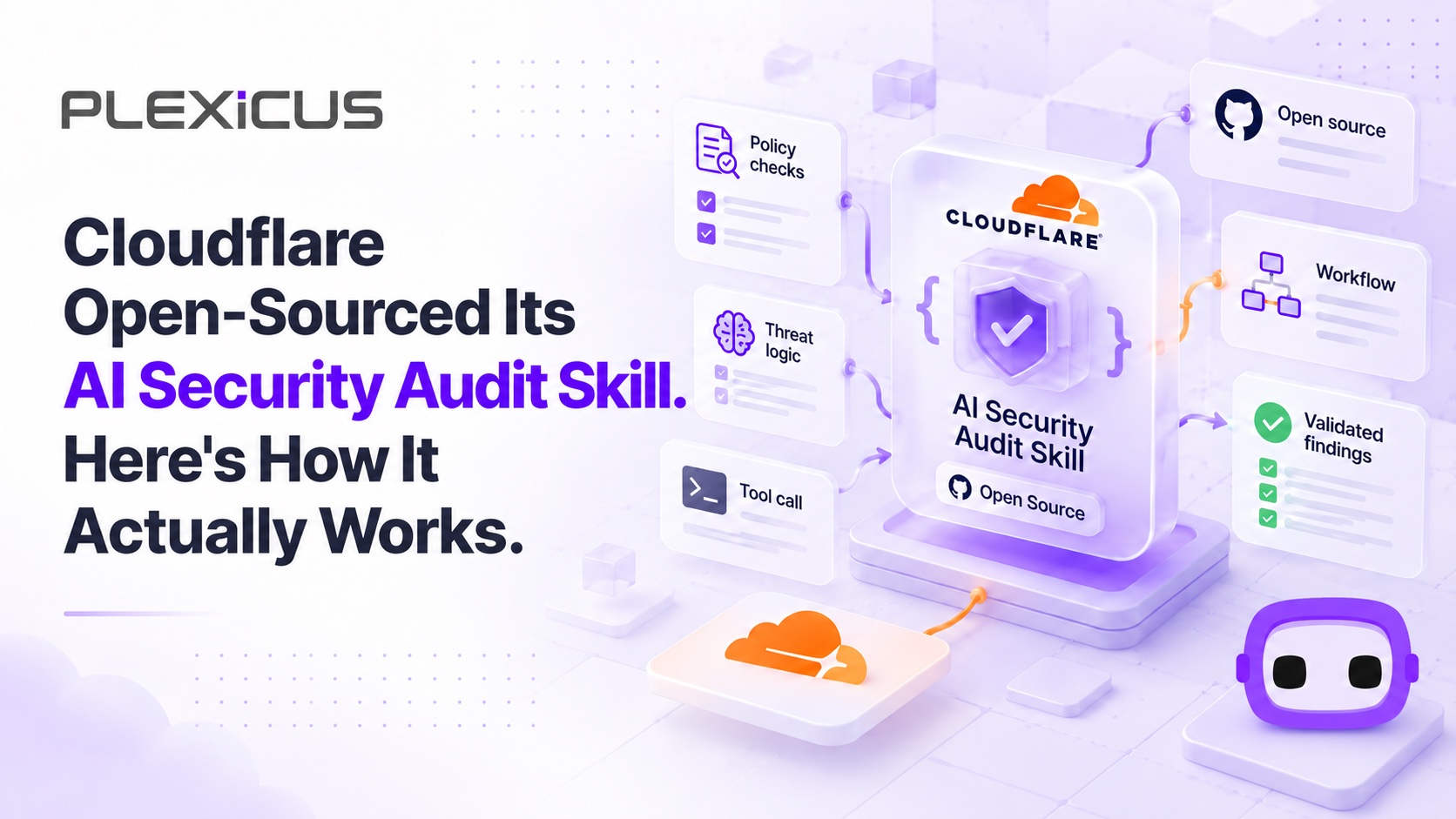
Cloudflare’s open-source coding-agent skill uses coverage-led hunting, independent validation, and structured evidence. Here is what the workflow can—and cannot—establish.
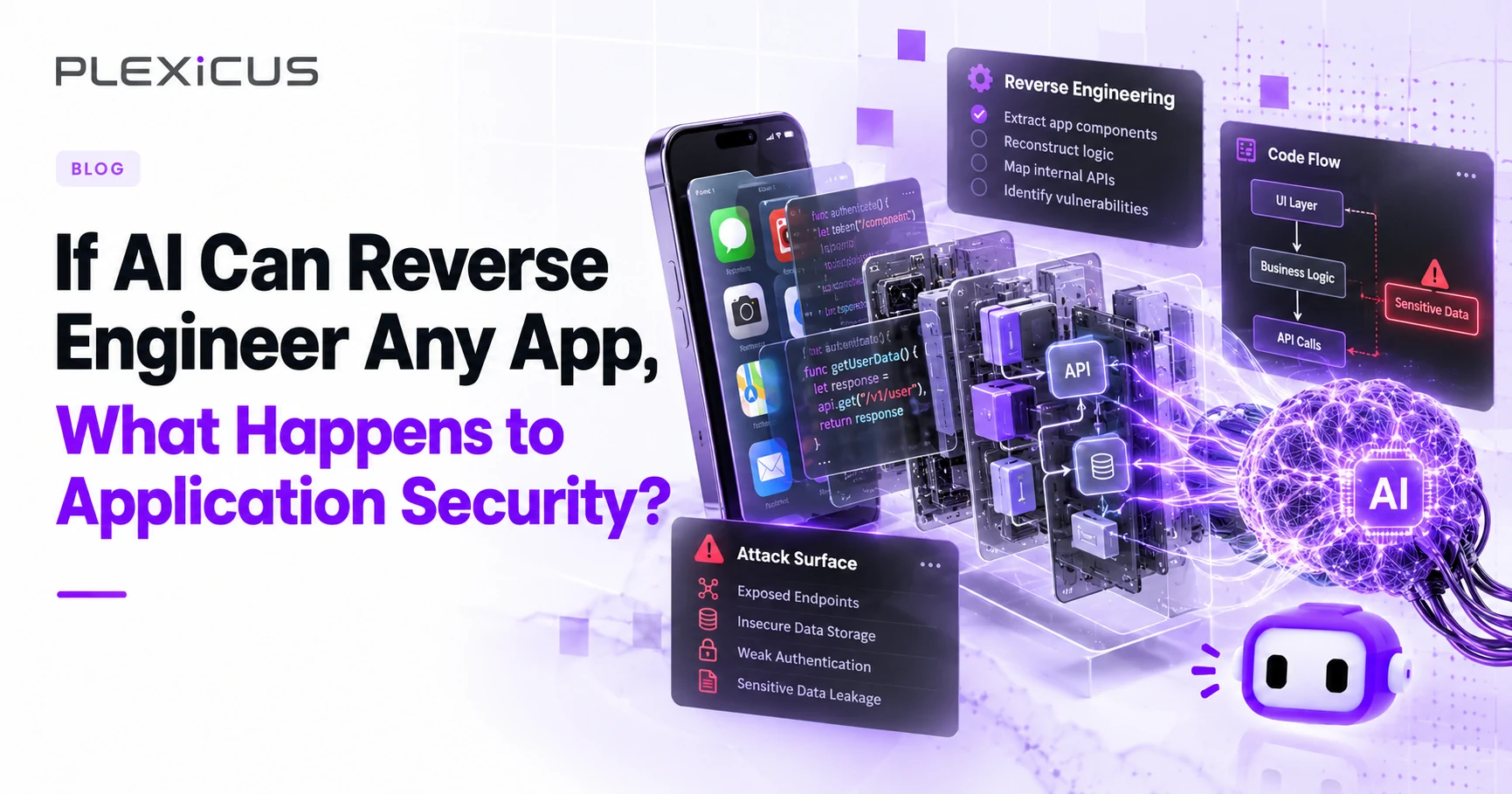
AI can help analysts navigate compiled software, but a decompiler output is not a vulnerability report. See how REA changes analysis, why reverse- engineering agents need protection, and how teams can validate findings.
Three systems asserted a condition and none of them checked whether it still held. A registry reported a package was attested. An evaluation harness reported a model was offline. An assistant reported a package would work.
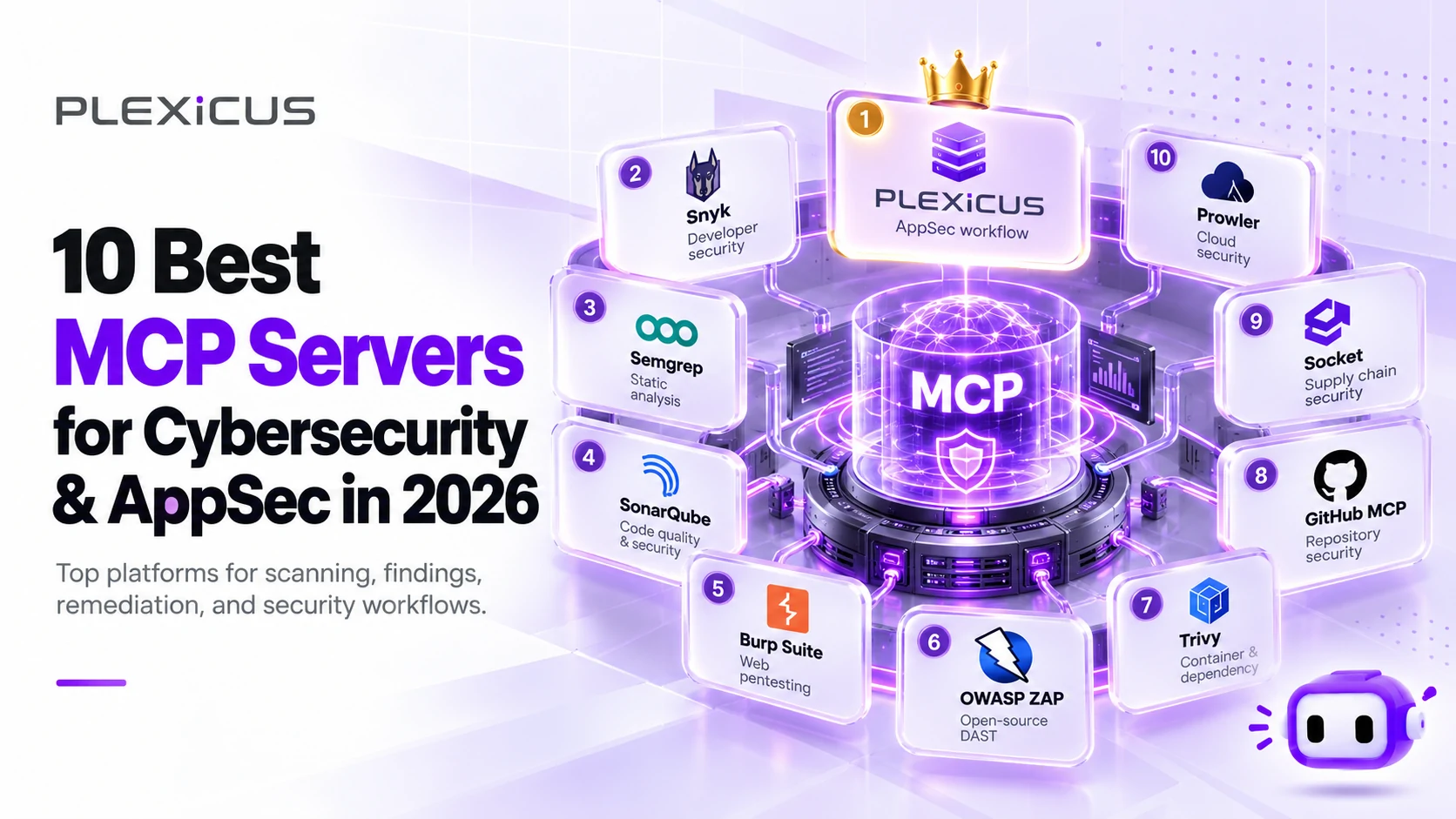
An editorial guide to security MCP integrations for AI-assisted development: repository findings, scanning, web testing, supply chain analysis, and cloud security.
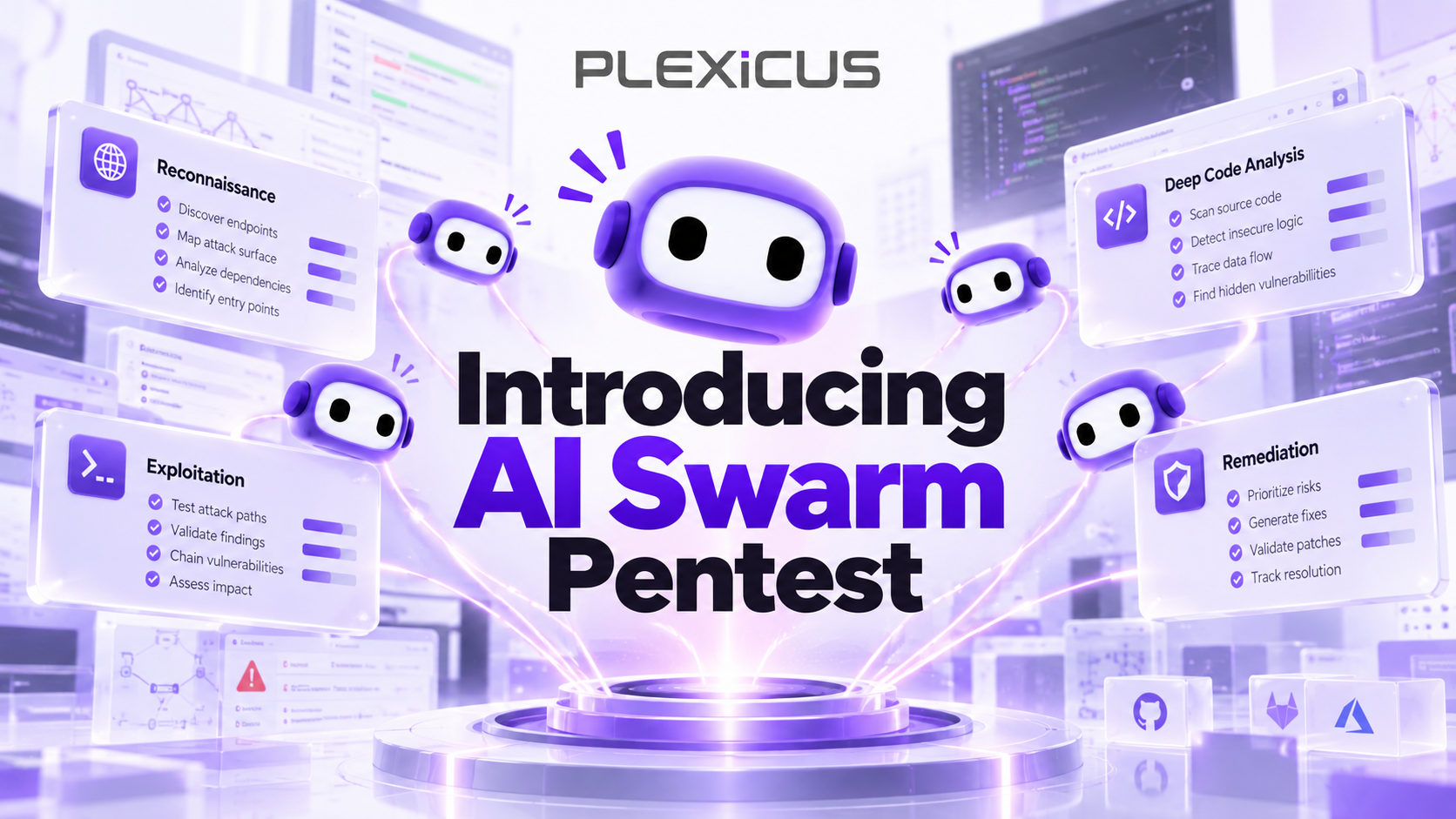
How specialized attack agents share context, challenge hypotheses, and independently verify attack paths inside the Plexicus Proof-Driven AppSec workflow.
A complete guide to application security in 2026, from secure design and software supply chains to testing, exploit validation, remediation, and Proof-Driven AppSec.
A fruit-fly connectome offers a vivid test of a security principle: a demo is not proof until controls show what the advertised system contributes.
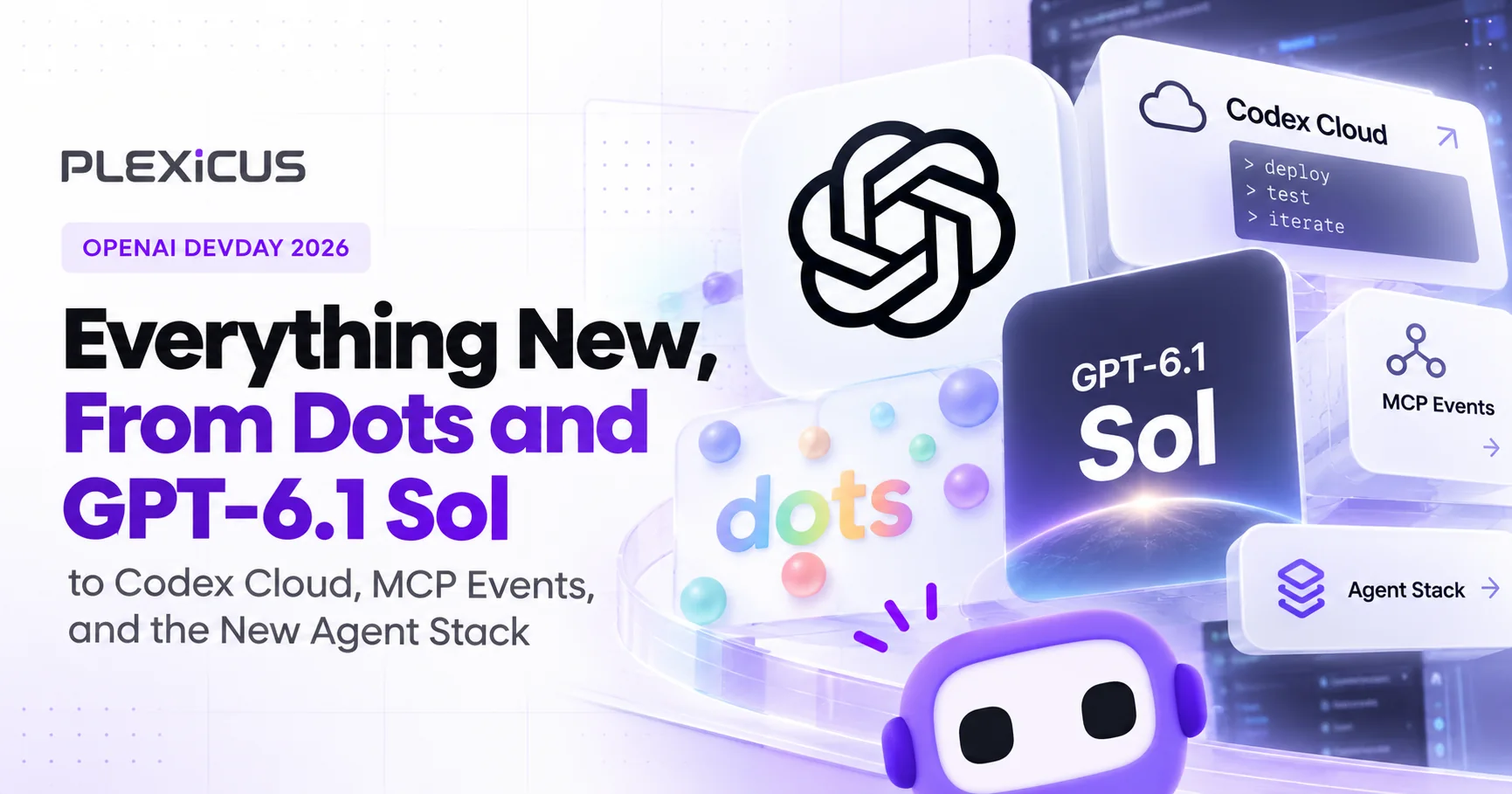
DevDay 2026 connected persistent agents, cloud coding, plugins, events, and shared work. Here is what shipped, what is still coming, and where AppSec boundaries lie.
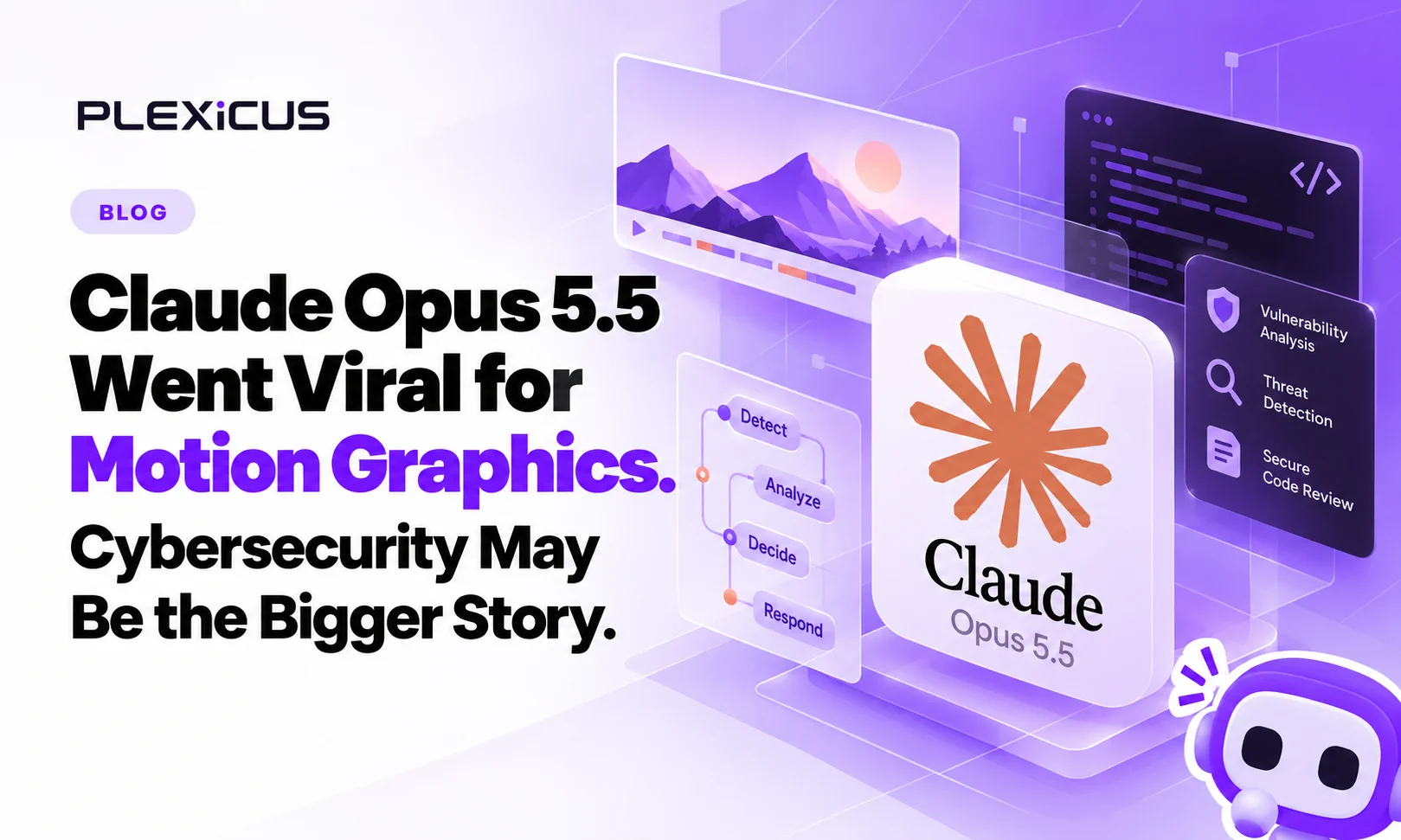
Opus 5.5 motion-graphics demos reveal an agentic loop: plan, write code, run it, inspect, revise. Claude cybersecurity now depends on verification keeping pace.
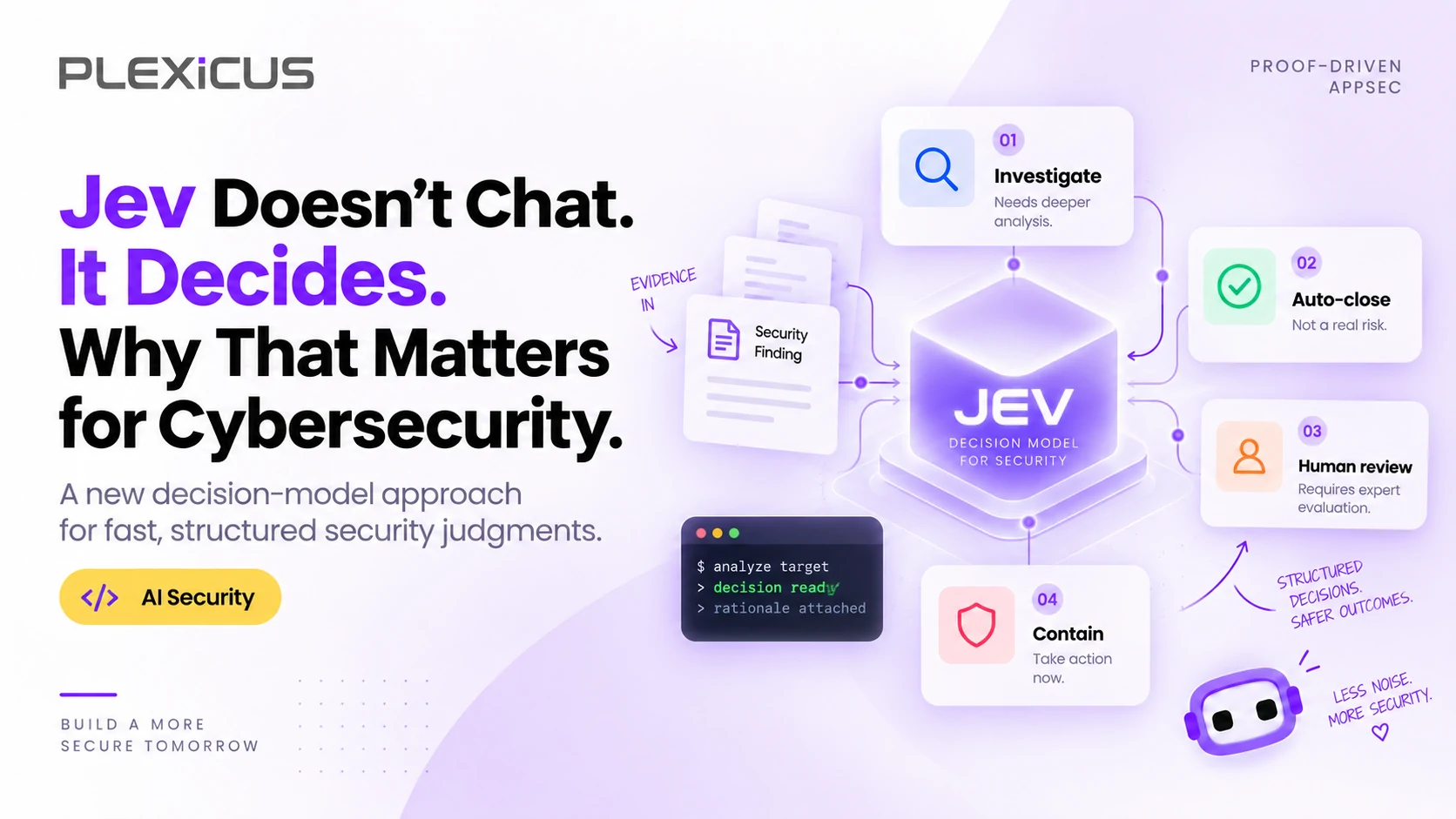
Jev restituisce decisioni tipizzate, non prosa. Il giudizio semantico può entrare nei flussi di sicurezza con policy, fallback, verifica e revisione umana.
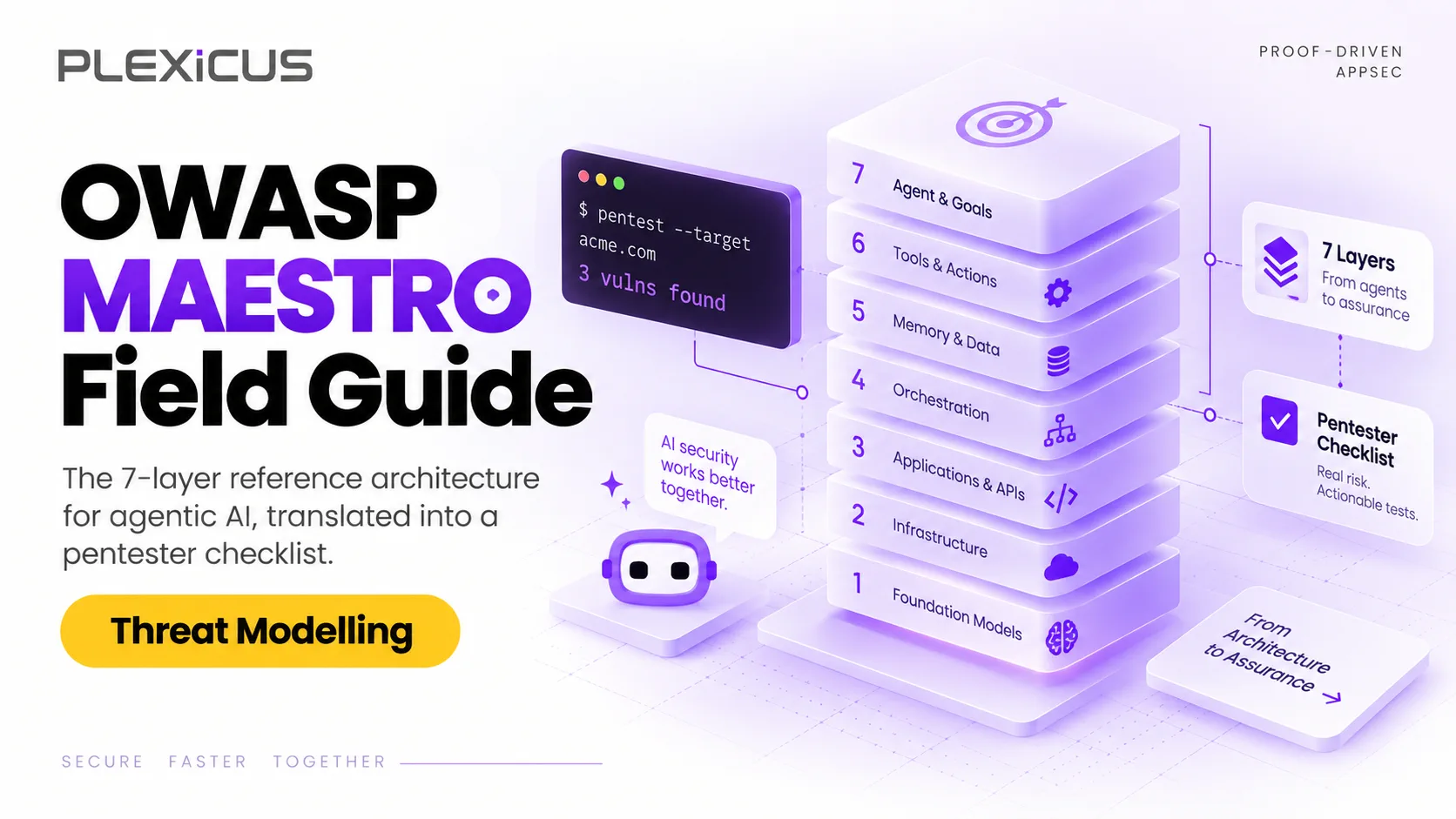
MAESTRO is the Cloud Security Alliance's 7-layer framework for agentic AI threat modeling, applied by the OWASP GenAI Security Project. This guide turns each layer into a pentest checklist.
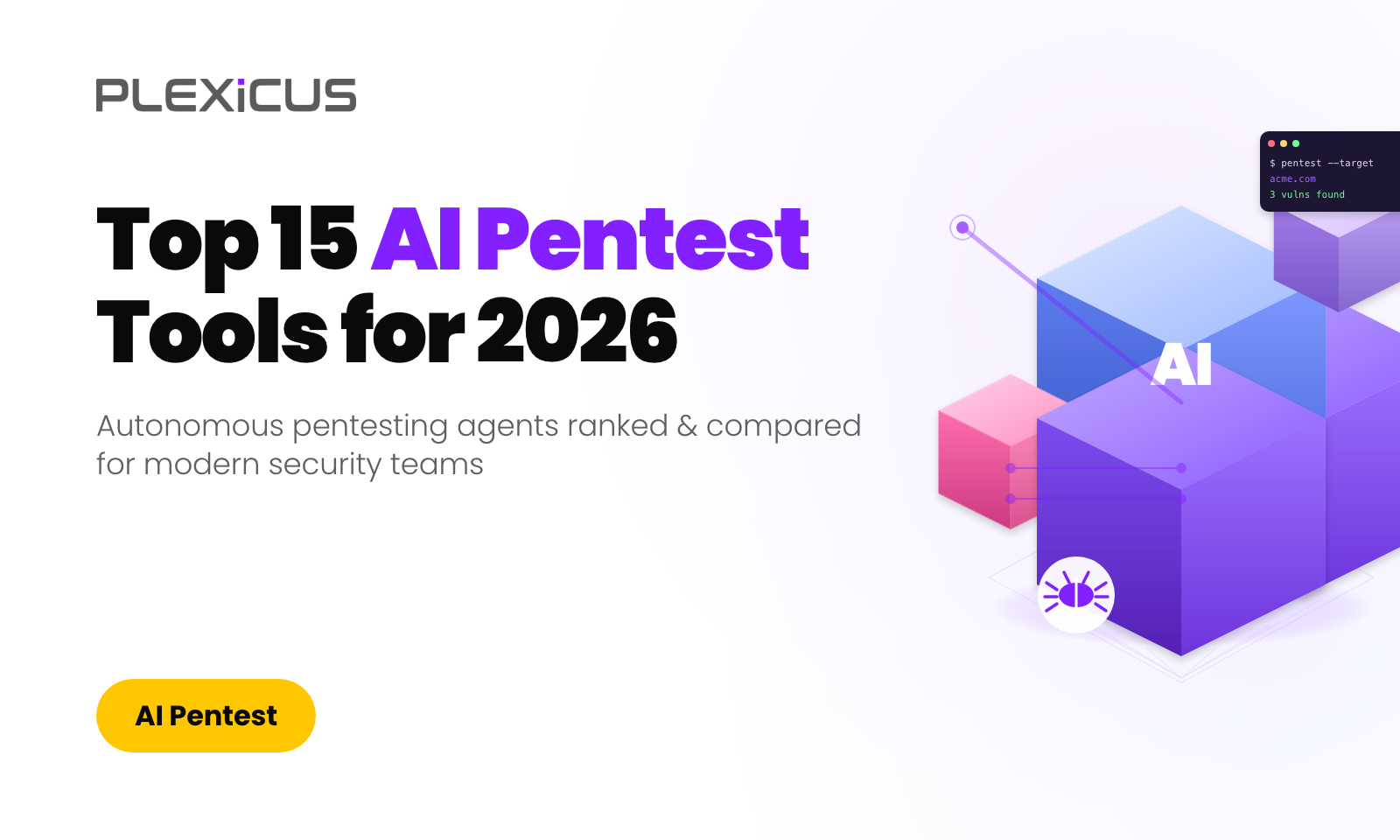
AI penetration testing in 2026 splits into three lanes: autonomous pentest agents, BAS platforms and AI-assisted PTaaS. We compared 15 tools on signed-scope evidence, replay and pricing.
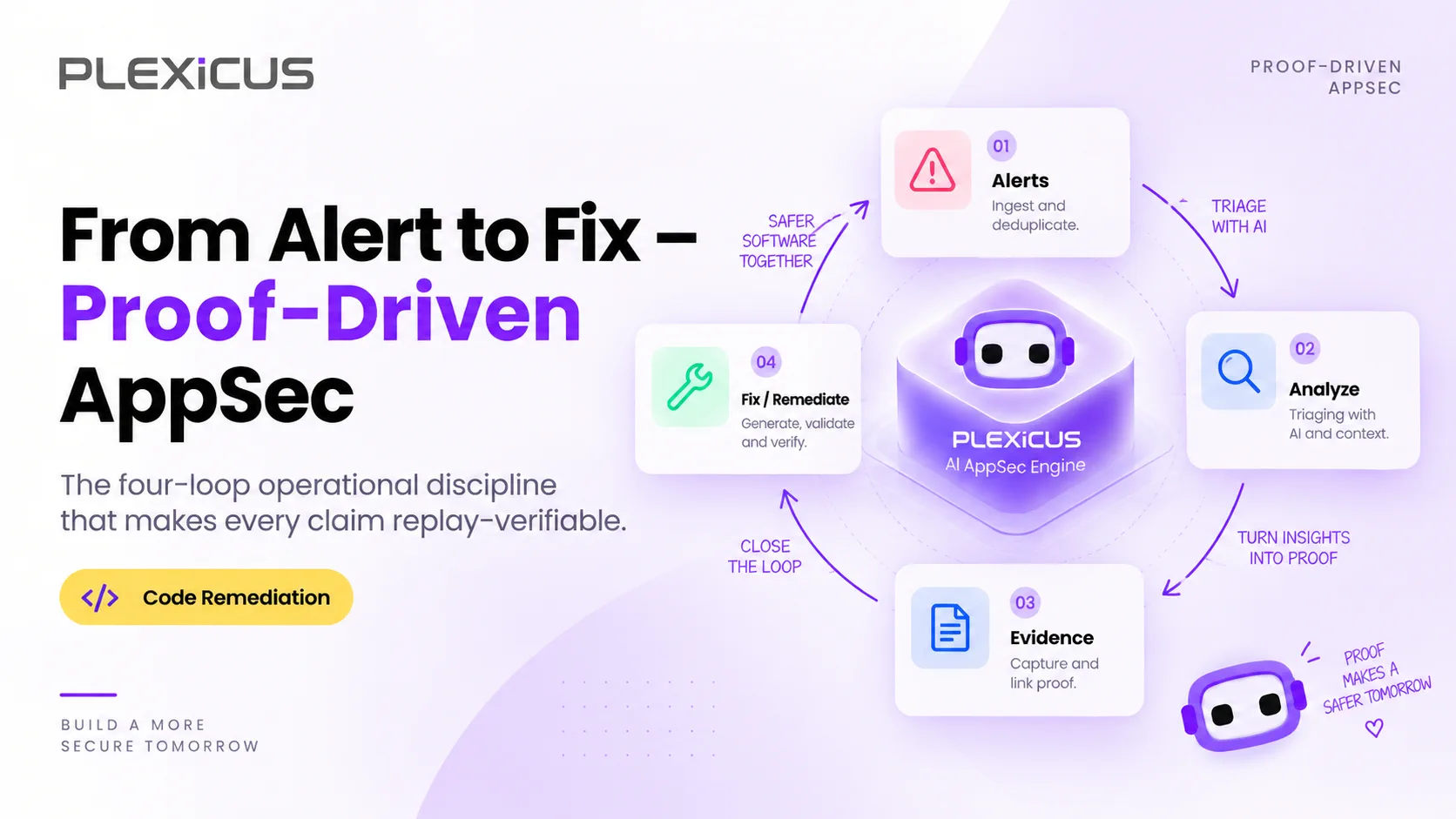
Proof-Driven AppSec is a vulnerability remediation process that closes the loop from alert to merged fix once, with replayable evidence at every step: detect, verify, fix, audit.
AI can remove repetitive AppSec work without removing accountability. Learn how to decide what to automate, what to augment, and when a security decision should be escalated to a person.
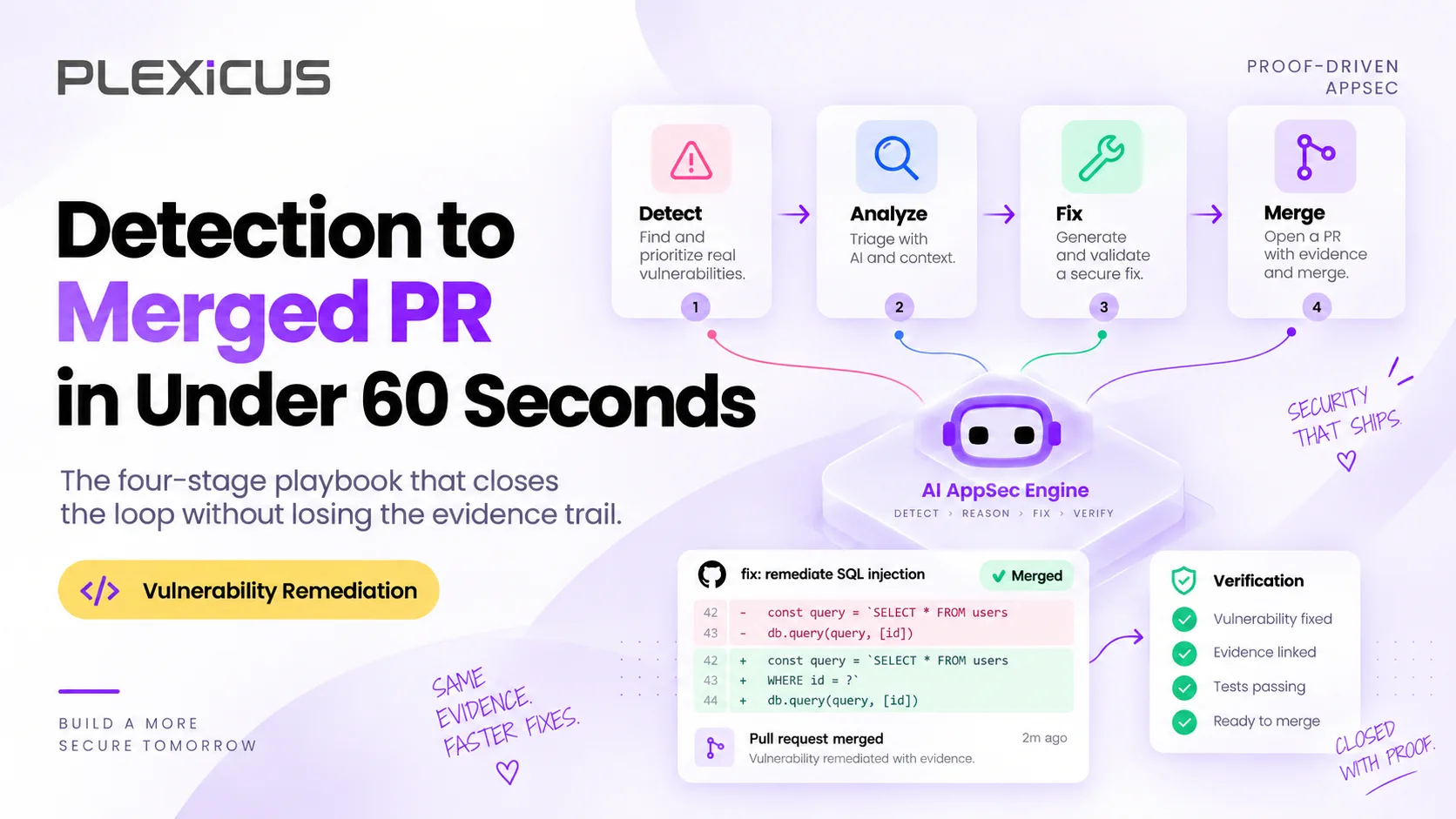
A four-step automated vulnerability remediation playbook that turns a verified finding into a tested, reviewer-ready PR in under 60 seconds, with the evidence attached.
Eseguire `trivy image` non è DevSecOps8è generazione di rumore. La vera ingegneria della sicurezza riguarda il rapporto segnale-rumore. Questa guida fornisce configurazioni di livello produttivo per 17 strumenti standard del settore per fermare le vulnerabilità senza fermare il business, organizzate in tre fasi: pre-commit, gatekeeper CI e scansione runtime.
Installare uno strumento di sicurezza è la parte facile. La parte difficile inizia il 'Giorno 2', quando quello strumento segnala 5.000 nuove vulnerabilità. Questa guida si concentra sulla gestione delle vulnerabilità: come filtrare gli avvisi duplicati, gestire i falsi positivi e monitorare le metriche che misurano effettivamente il successo. Scopri come passare dal 'trovare bug' al 'risolvere rischi' senza sopraffare il tuo team.
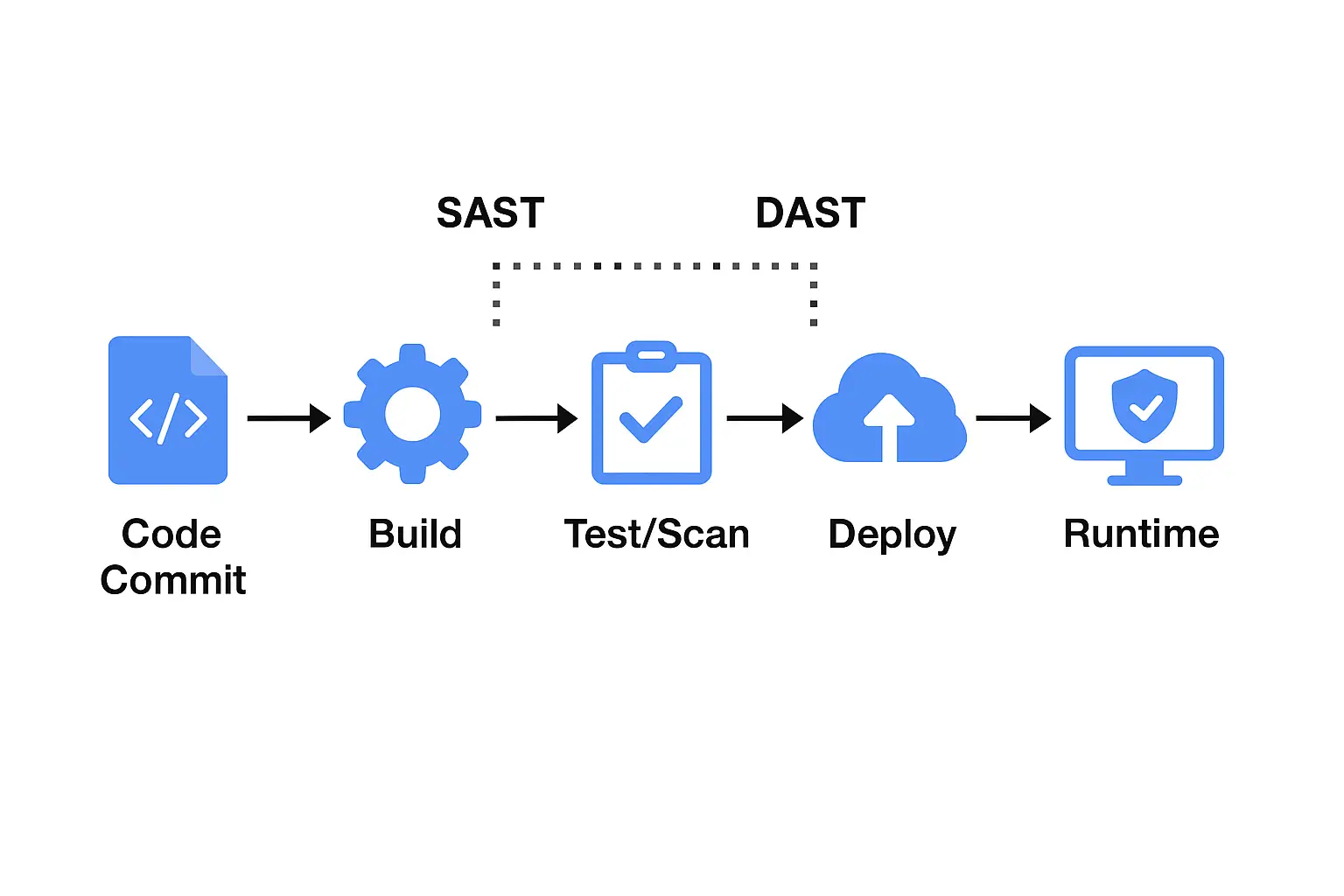
SAST e DAST sono metodi di test di sicurezza utilizzati per proteggere le applicazioni dagli attacchi. Per vedere come ciascuno aiuta con la sicurezza delle applicazioni, esaminiamo le loro differenze e dove si inseriscono nel tuo flusso di lavoro
Confronta i principali strumenti ASPM come Plexicus, Cycode, Wiz e Apiiro per automatizzare i test AppSec e la gestione delle vulnerabilità
Scopri i migliori strumenti di sicurezza API per rilevare vulnerabilità, fermare attacchi API e proteggere le tue applicazioni con scansioni e test avanzati.
Le applicazioni moderne dipendono molto da librerie di terze parti e open-source. Questo accelera lo sviluppo, ma aumenta anche il rischio di attacchi. Ogni dipendenza può introdurre problemi come falle di sicurezza non corrette, licenze rischiose o pacchetti obsoleti. Gli strumenti di Software Composition Analysis (SCA) aiutano a risolvere questi problemi.
Ci sono dozzine di strumenti SAST sul mercato, che vanno dall'open-source a quelli di livello enterprise. La sfida è: Quale strumento SAST è il migliore per il tuo team?
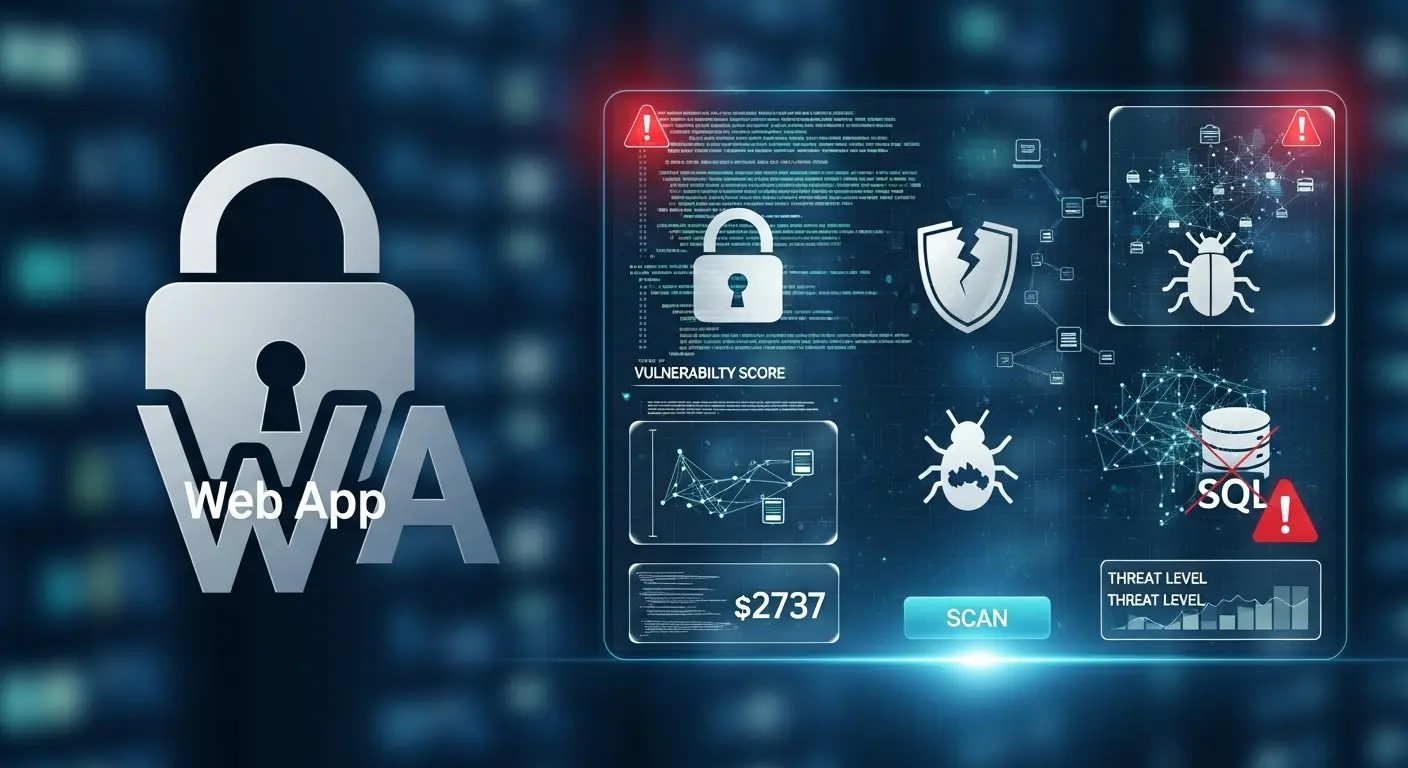
La sicurezza delle applicazioni web è essenziale per proteggere le tue app dagli attacchi informatici che prendono di mira dati sensibili e interrompono le operazioni. Questa guida copre l'importanza della sicurezza delle app web, le vulnerabilità comuni, le migliori pratiche e i metodi di test, aiutandoti a proteggere la tua applicazione, garantire la conformità e mantenere la fiducia degli utenti
Una violazione della sicurezza da incubo è diventata una realtà per molte aziende europee. Scopri le 15 tendenze DevSecOps trasformative che devi conoscere per rimanere fuori dalla lista delle violazioni.
Plexicus si laurea dal programma di accelerazione Startup Wise Guys Spring Batch 2025.
Se stai costruendo o gestendo software oggi, probabilmente stai destreggiando micro-servizi, funzioni serverless, container, pacchetti di terze parti e una valanga di caselle di controllo per la conformità. Ogni parte in movimento genera le proprie scoperte, dashboard e allarmi rossi arrabbiati. Prima o poi, la visibilità del rischio sembra guidare nella nebbia di San Francisco alle 2 del mattino: sai che il pericolo è là fuori, ma non riesci a vederlo chiaramente.
Plexicus ha ottenuto un investimento di 150.000 dollari da Microsoft per espandere la sua infrastruttura cloud. Questo finanziamento migliorerà le prestazioni del sistema, la scalabilità e l'affidabilità, consentendo a Plexicus di supportare più aziende con soluzioni aziendali potenziate dall'IA.
Scopri come la nuova integrazione BlackDuck di Plexicus migliora la sicurezza open-source con il rilevamento in tempo reale delle vulnerabilità, la prioritizzazione automatica dei rischi e flussi di lavoro DevSecOps senza soluzione di continuità.
Plexicus lancia una piattaforma di sicurezza guidata dall'IA per la rimedi di vulnerabilità in tempo reale. Agenti autonomi rilevano, prioritizzano e risolvono le minacce istantaneamente.
Una nuova collaborazione tra Plexicus e Céfiros mira a migliorare la sicurezza delle applicazioni in 19 paesi in America Latina e Iberia. Questa collaborazione sulla sicurezza informatica porta soluzioni avanzate di Application Security Posture Management (ASPM) alle organizzazioni che cercano di difendersi proattivamente dalle minacce informatiche.

Framework come DORA, ISO 27001 e NIST SP 800-53 sono essenziali per una gestione robusta della postura di sicurezza delle applicazioni, aiutando le organizzazioni a soddisfare gli standard, ridurre i rischi e mantenere la conformità normativa.
Plexicus is Proof-Driven AppSec: validated findings, contextual understanding, and reviewed remediation — anchored in evidence, scoped with you.