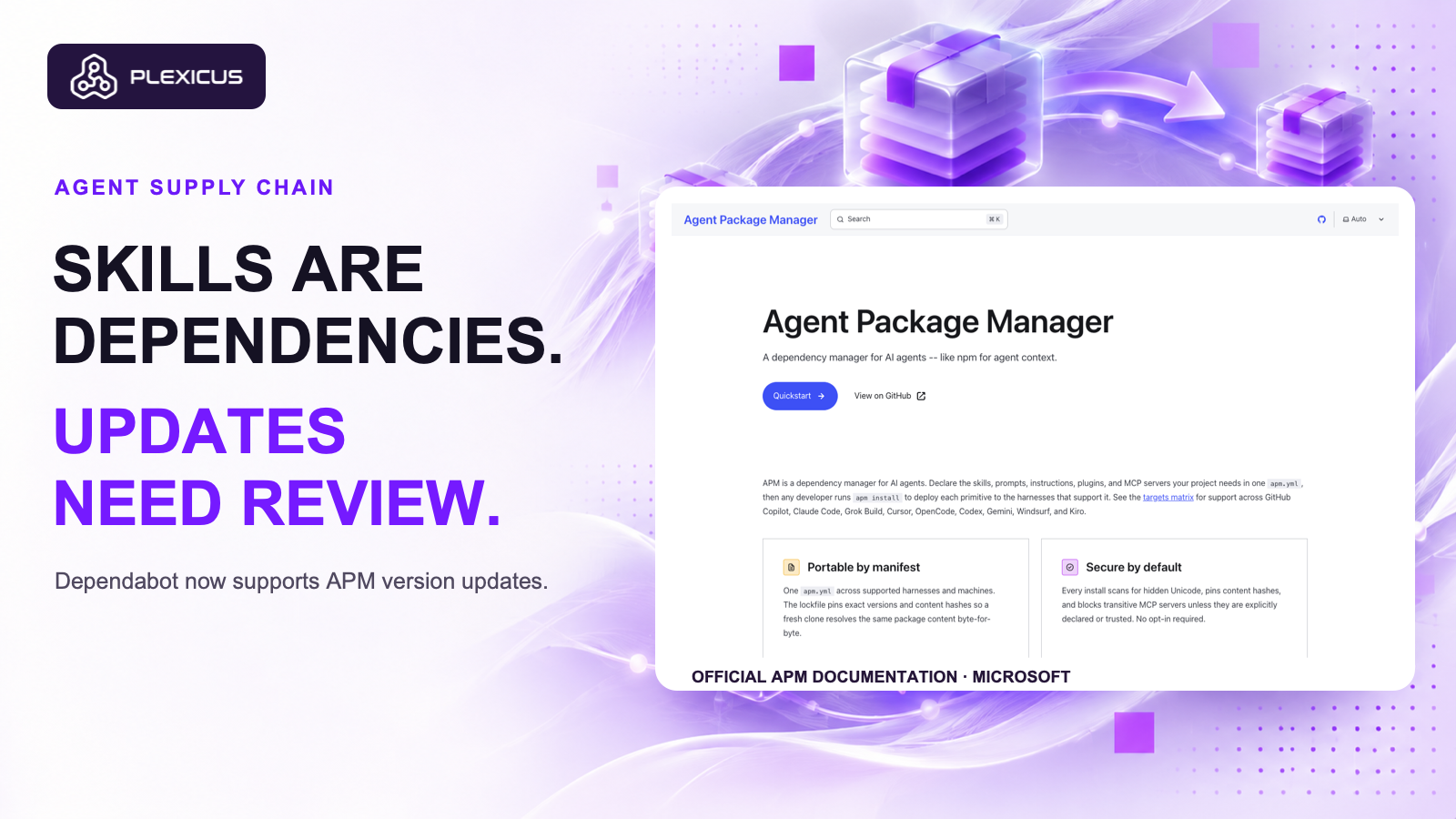
Dependabot Can Update AI Agent Skills. Who Reviews What Changed?
Dependabot can propose version updates for agent dependencies. The change puts skills and instructions into an existing review workflow.
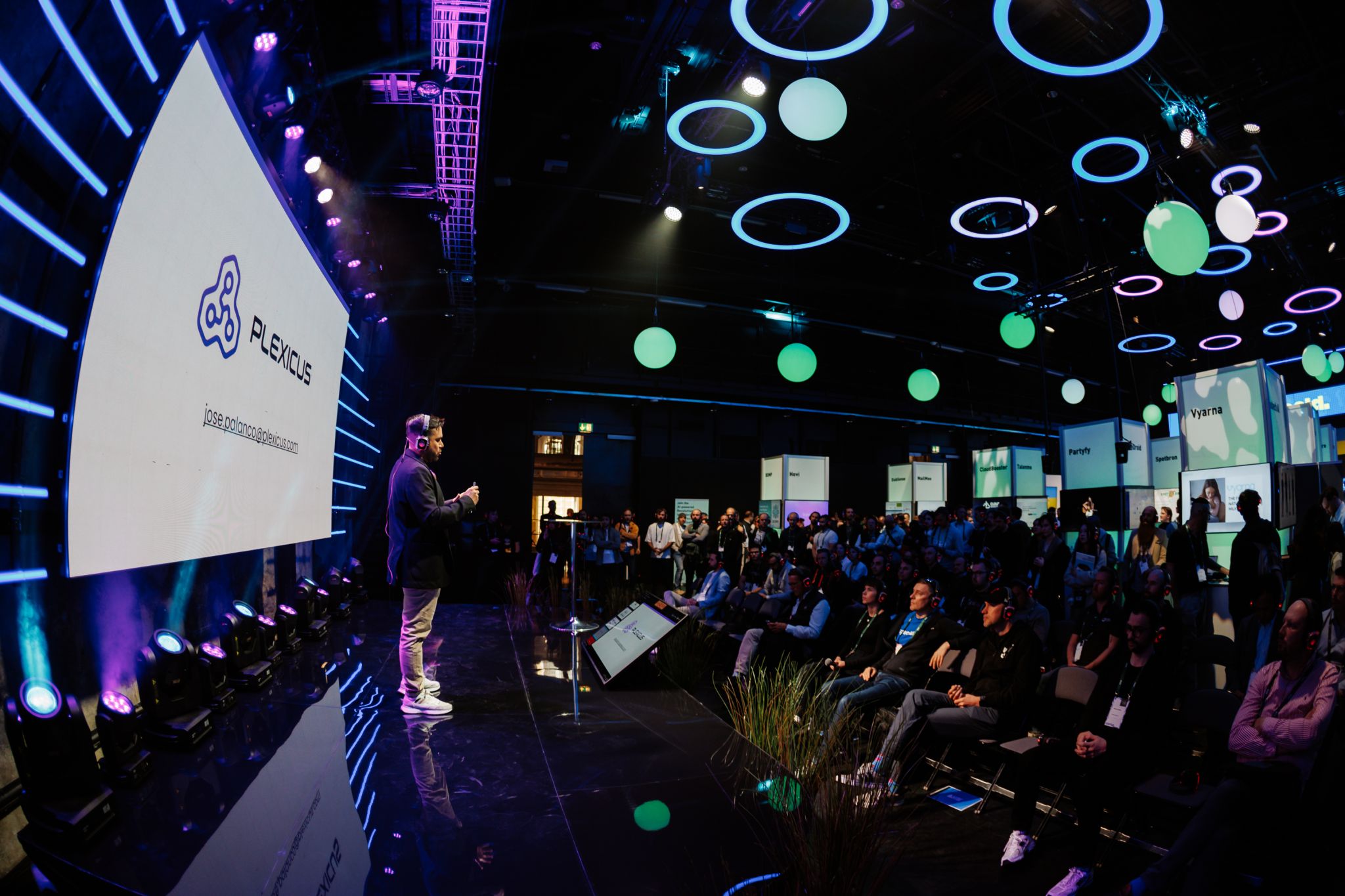
José Ramón Palanco is the CEO/CTO of Plexicus, a pioneering company in ASPM (Application Security Posture Management) launched in 2024, offering AI-powered remediation capabilities. Previously, he founded Dinoflux in 2014, a Threat Intelligence startup that was acquired by Telefonica, and has been working with 11paths since 2018. His experience includes roles at Ericsson`s R&D department and Optenet (Allot). He holds a Telecommunications Engineering degree from the University of Alcala de Henares and a Master`s in IT Governance from the University of Deusto. As a recognized cybersecurity expert, he has been a speaker at various prestigious conferences including OWASP, ROOTEDCON, ROOTCON, MALCON, and FAQin. His contributions to the cybersecurity field include multiple CVE publications and the development of various open source tools such as nmap-scada, ProtocolDetector, escan, pma, EKanalyzer, SCADA IDS, and more.
Dependabot can propose version updates for agent dependencies. The change puts skills and instructions into an existing review workflow.
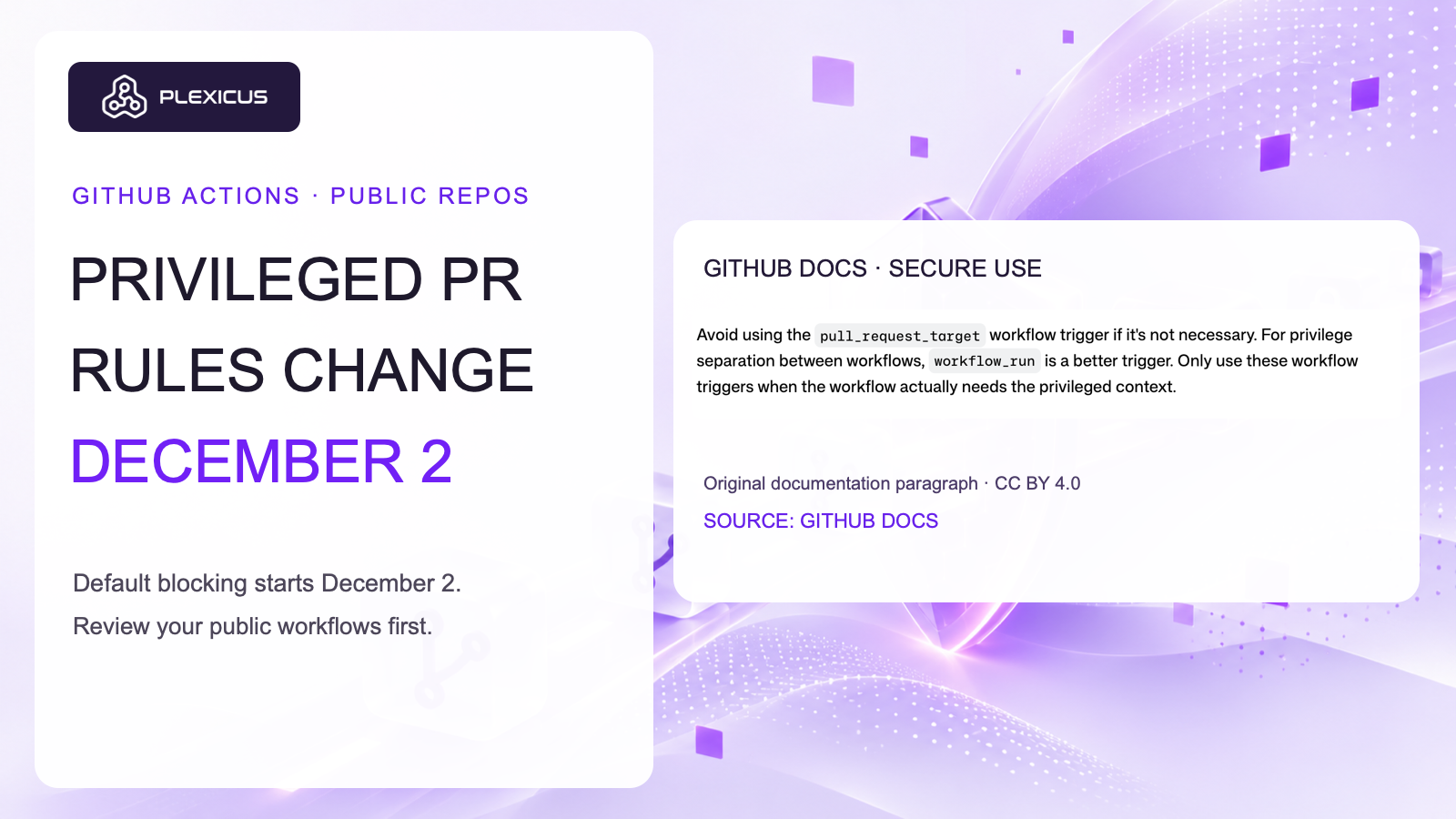
A GitHub Actions policy change puts privileged pull request workflows under scrutiny. Here is what maintainers can do before enforcement.
An internal DeepSeek evaluation separates exploit capability from operational restraint. Define scope, evidence and cleanup before autonomous testing.
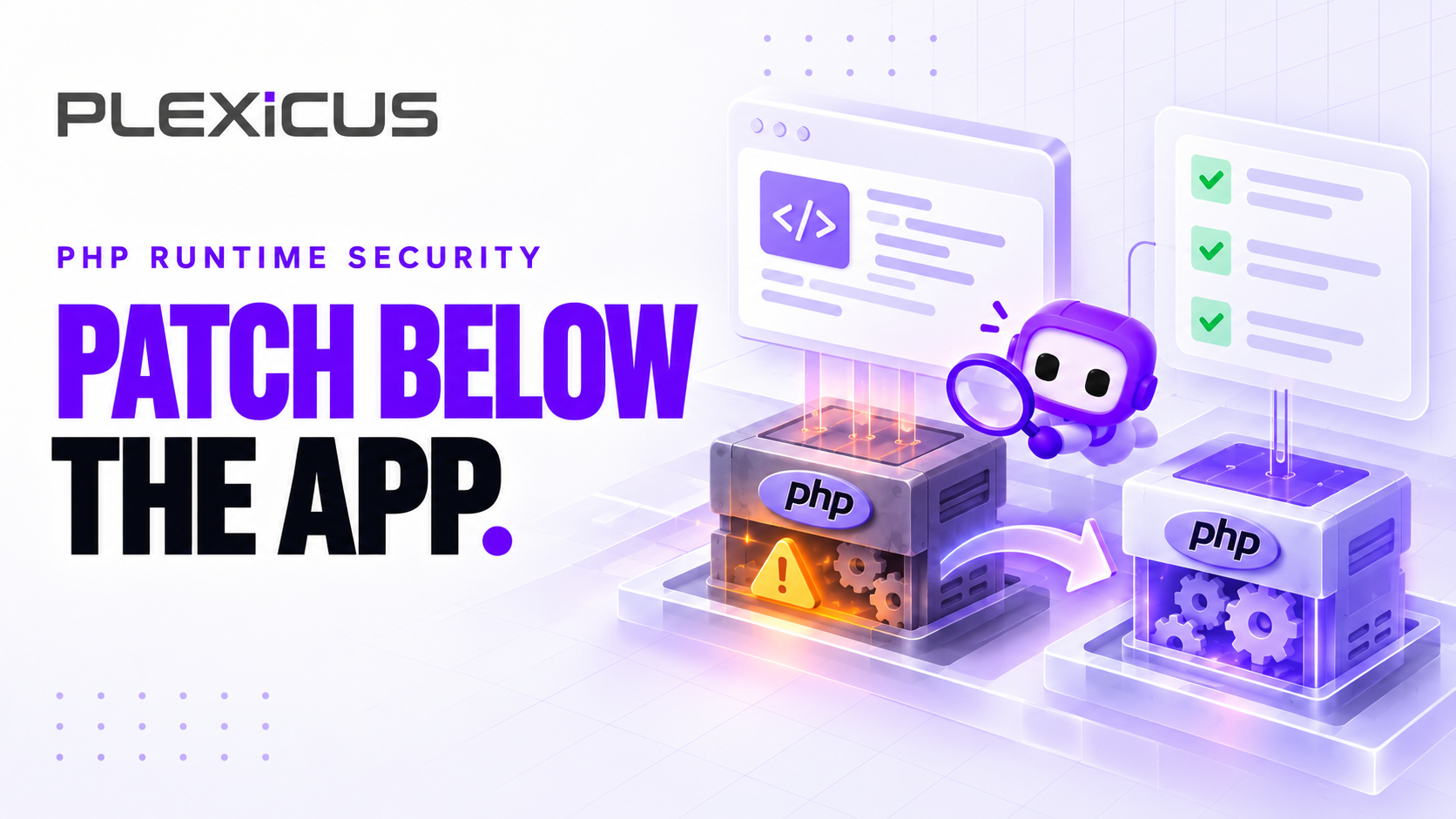
Separate PHP runtime exposure from application findings, verify worker replacement and keep remediation evidence reviewable with Plexicus.
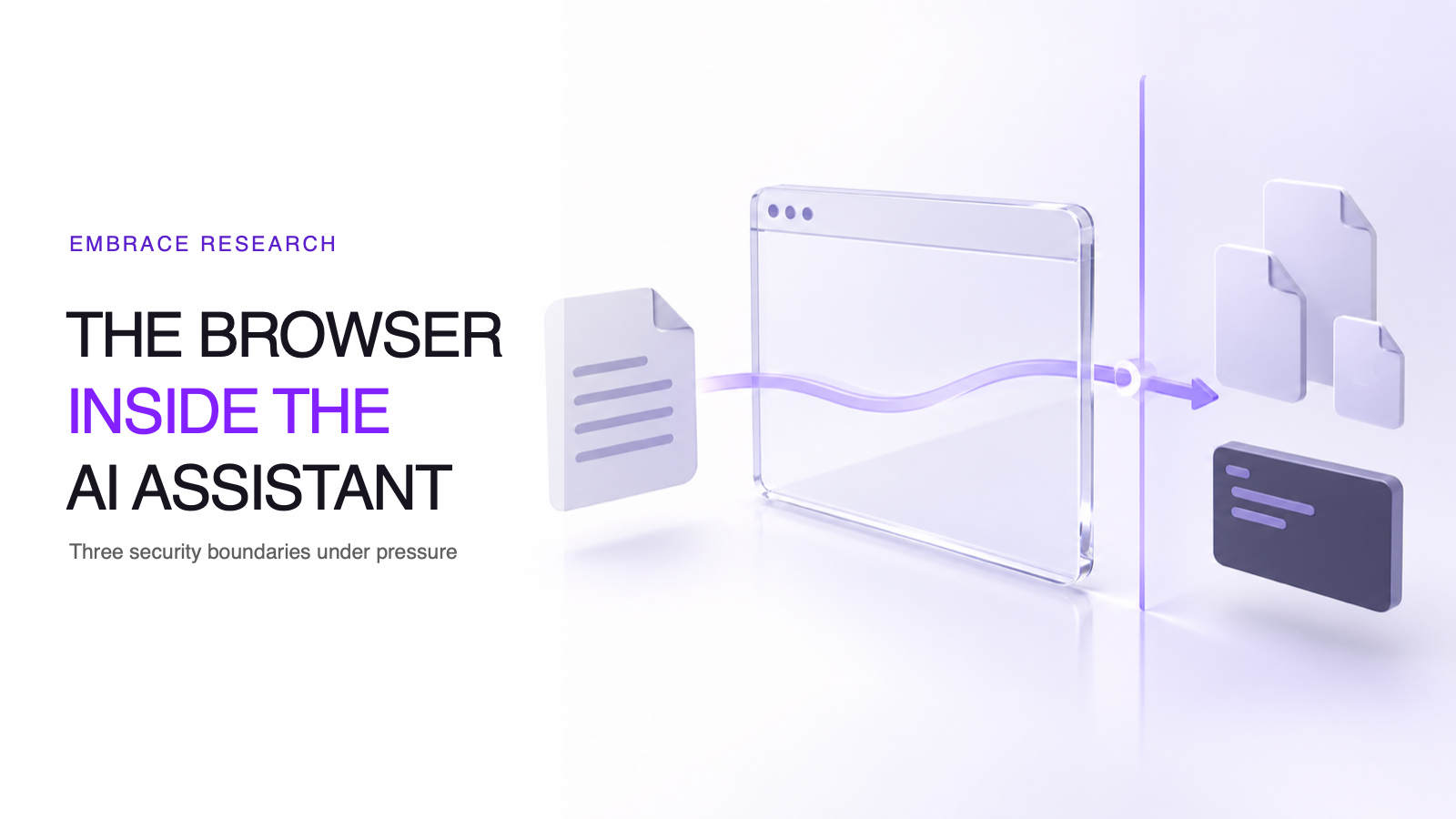
EMBRACE is a useful reminder that an embedded browser does not automatically keep the security boundaries of a standalone browser.
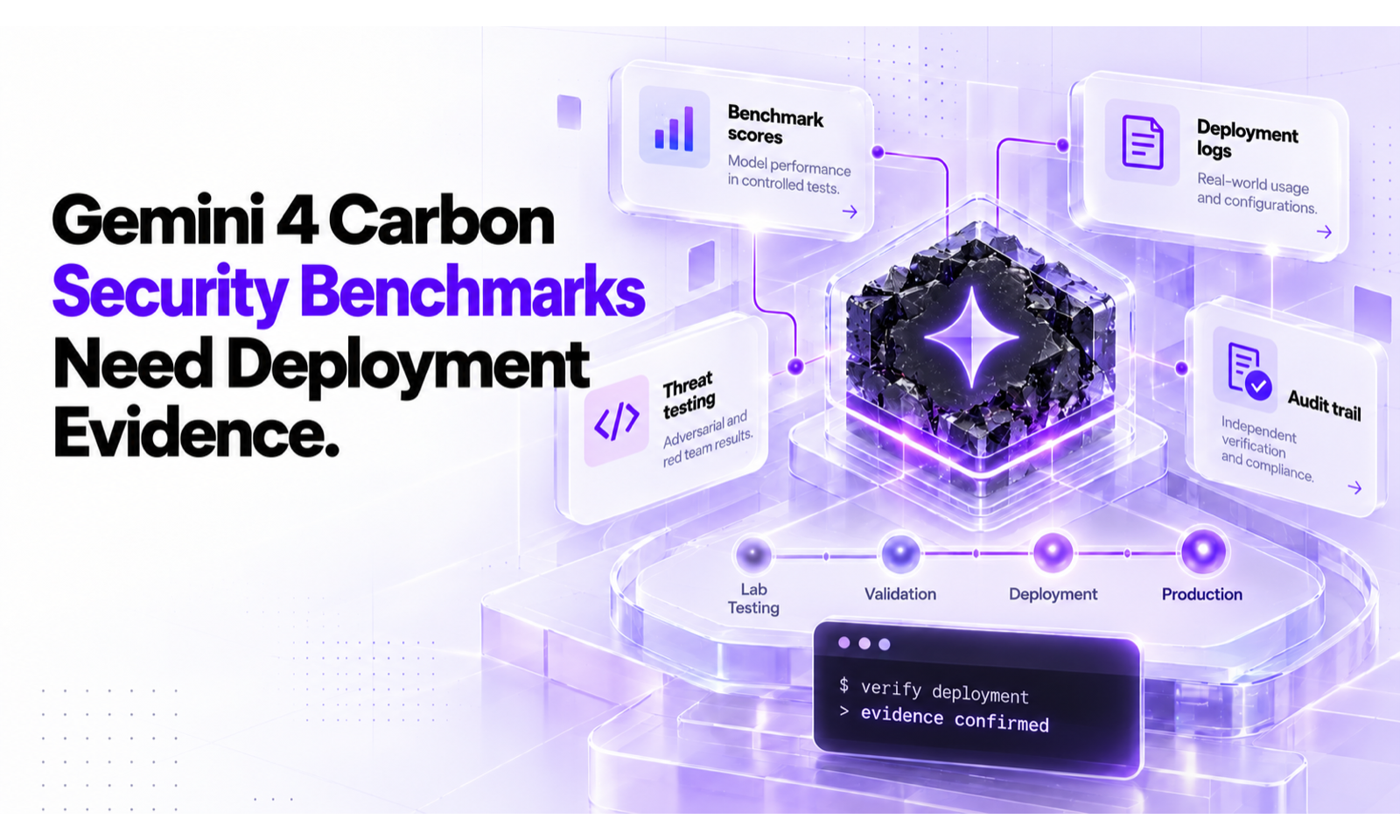
Turn AI security benchmark claims into a scoped evaluation with reproducible findings, reviewed patches and deployment retests.
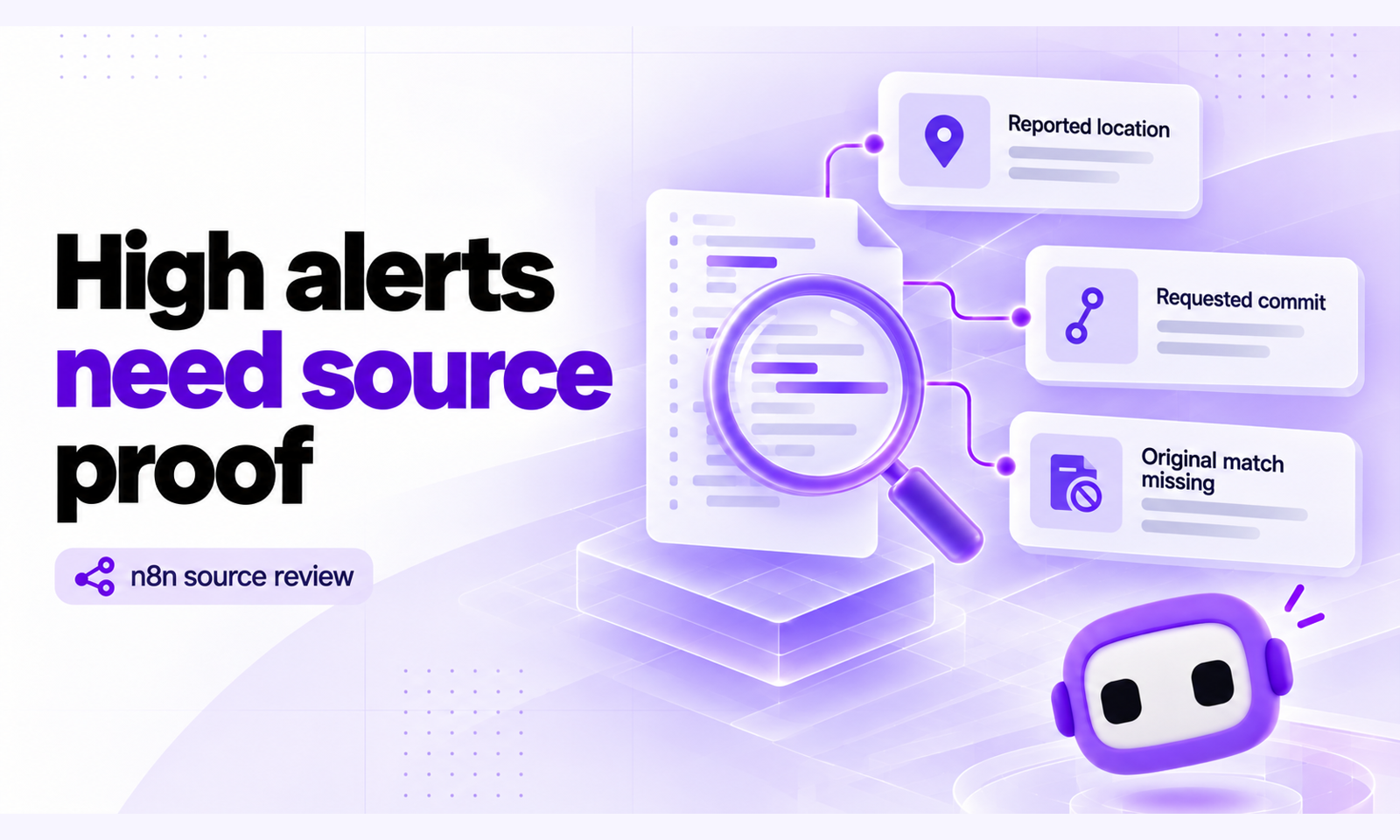
A source review of three high-severity n8n alerts shows why scan provenance and credential context matter before declaring a leak.
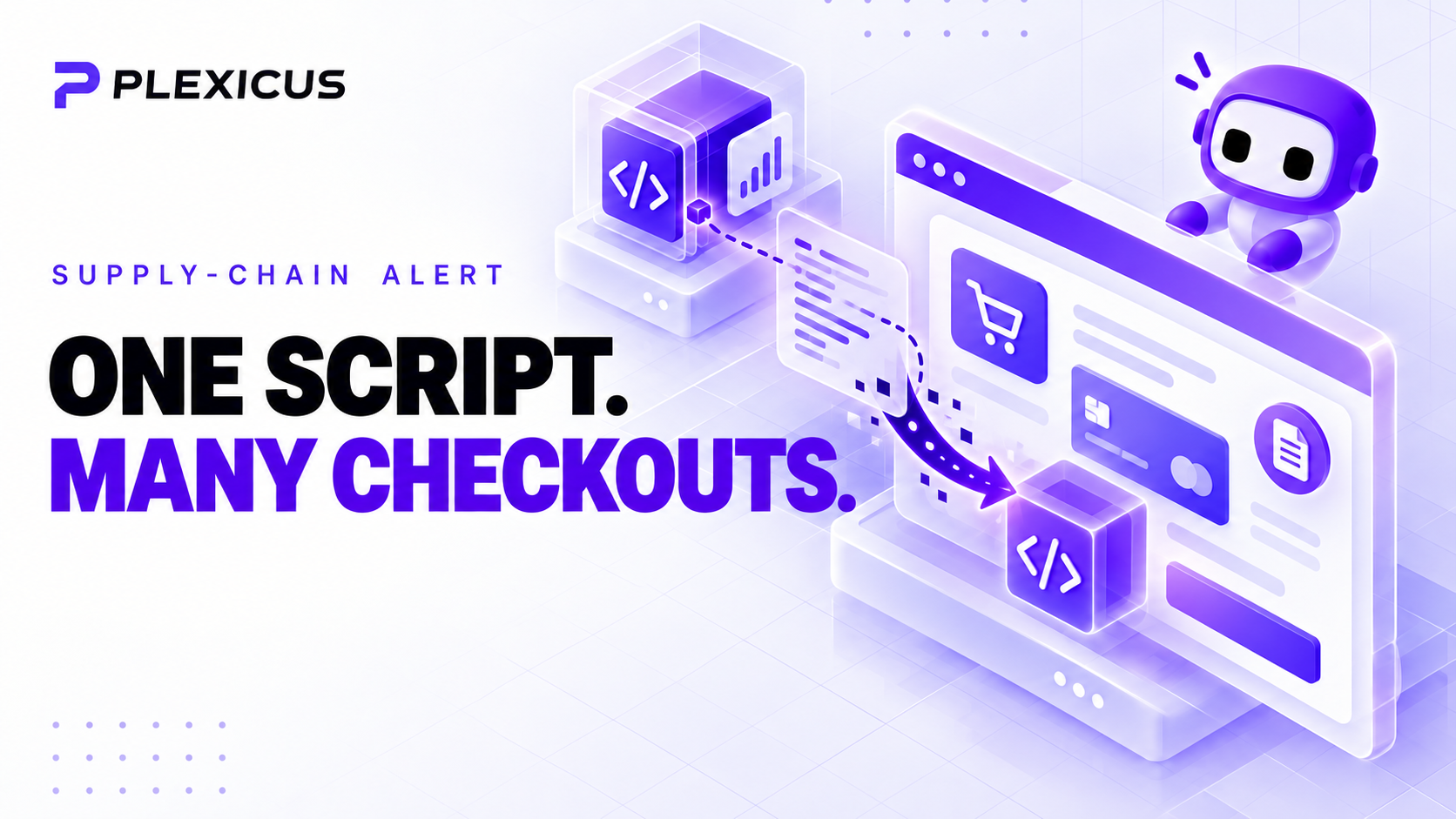
Review browser-loaded scripts, test integrity controls and retain deployment evidence after the Convertr analytics-script incident.
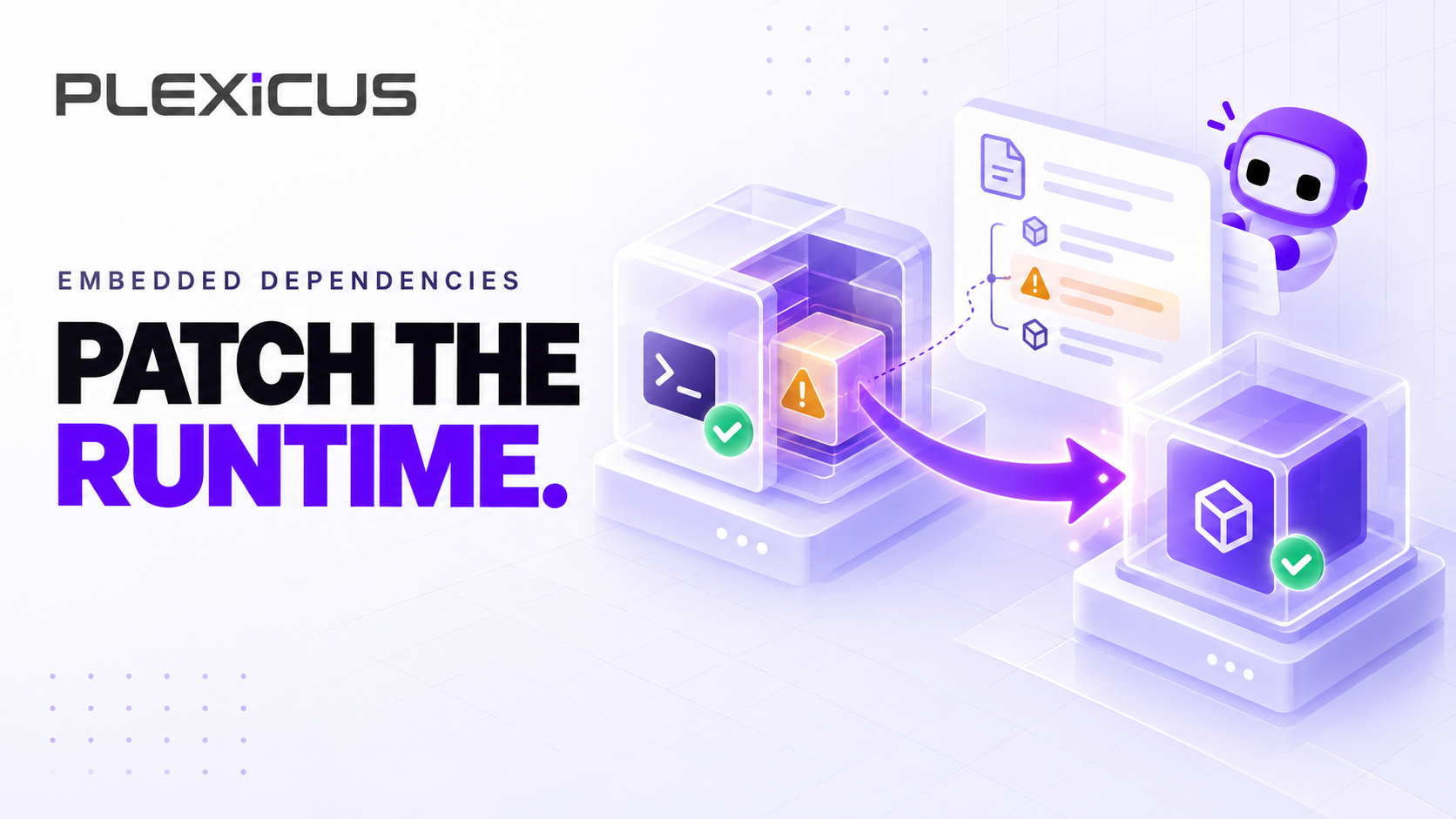
Map embedded Wasmtime dependencies to shipped artifacts, choose the correct advisory fix and verify rebuilt deployments with a Plexicus evidence workflow.
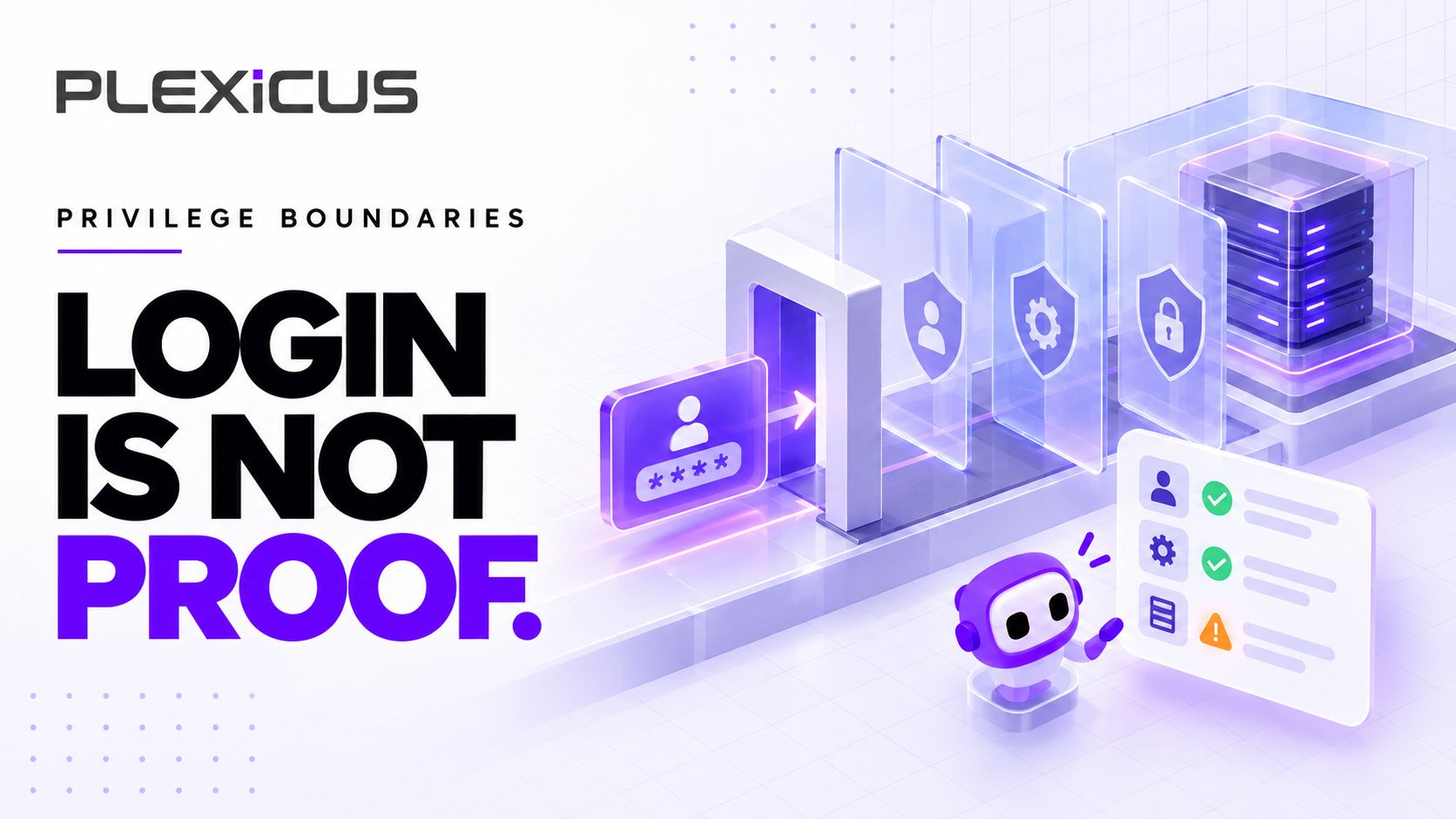
A practical evidence workflow for testing authorization boundaries, connecting code context to impact, and reviewing remediation with Plexicus.
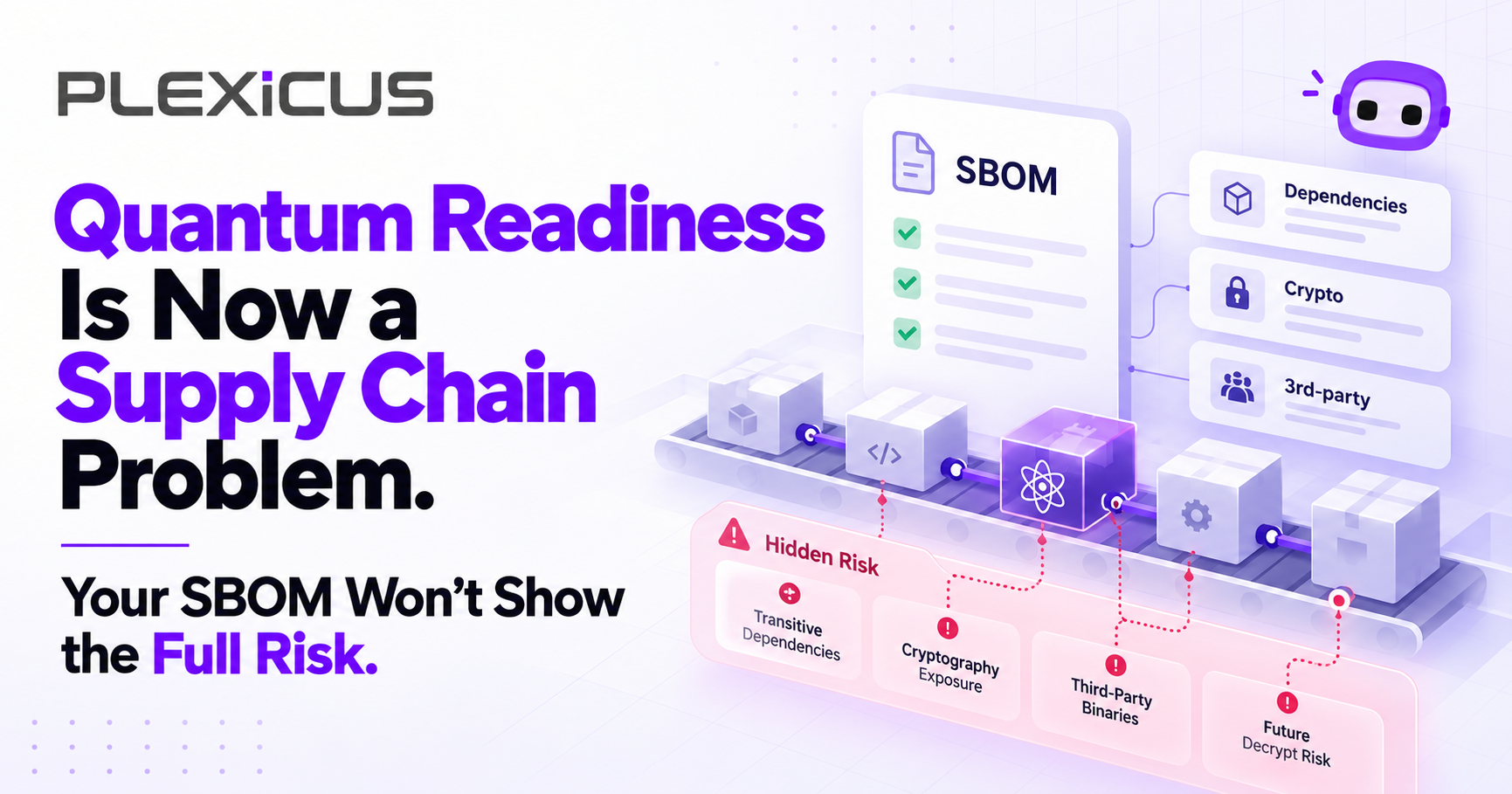
Quantum readiness starts with knowing where cryptography lives. Singapore’s 2026 milestones make discovery urgent, while SBOMs alone cannot show every algorithm, runtime setting or supplier dependency that may need a migration plan.
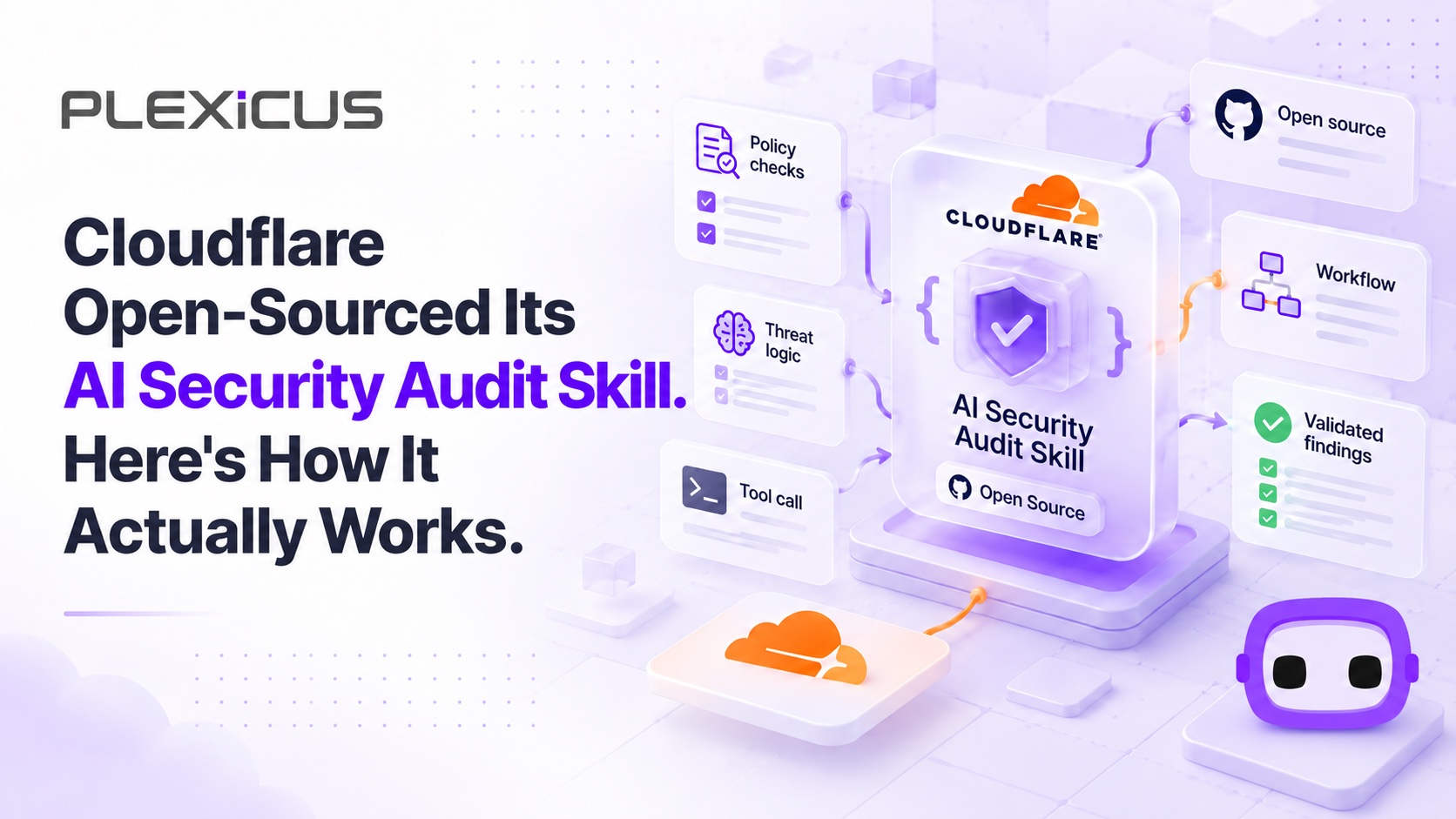
Cloudflare’s open-source coding-agent skill uses coverage-led hunting, independent validation, and structured evidence. Here is what the workflow can—and cannot—establish.
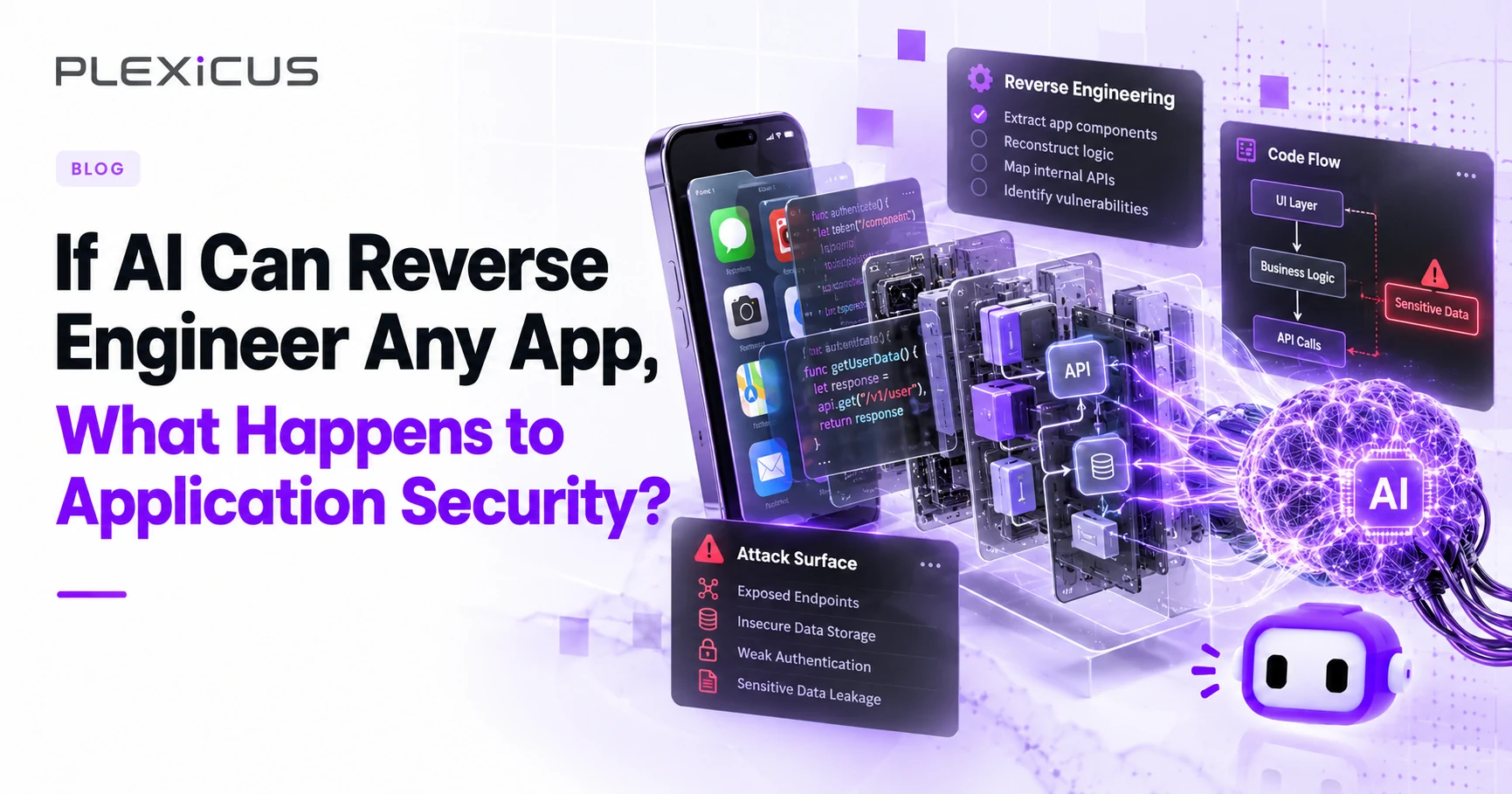
AI can help analysts navigate compiled software, but a decompiler output is not a vulnerability report. See how REA changes analysis, why reverse- engineering agents need protection, and how teams can validate findings.
Three systems asserted a condition and none of them checked whether it still held. A registry reported a package was attested. An evaluation harness reported a model was offline. An assistant reported a package would work.
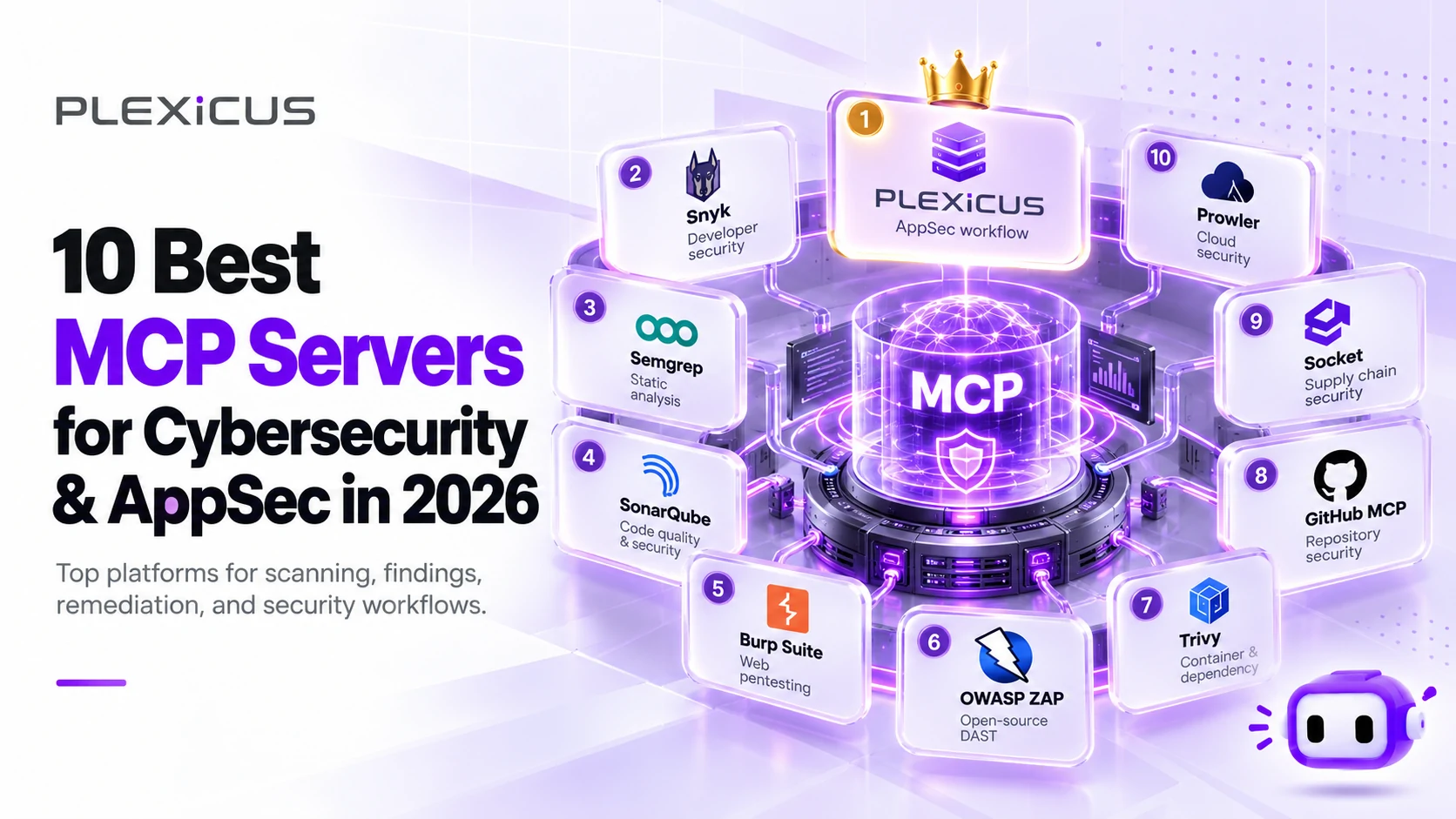
An editorial guide to security MCP integrations for AI-assisted development: repository findings, scanning, web testing, supply chain analysis, and cloud security.
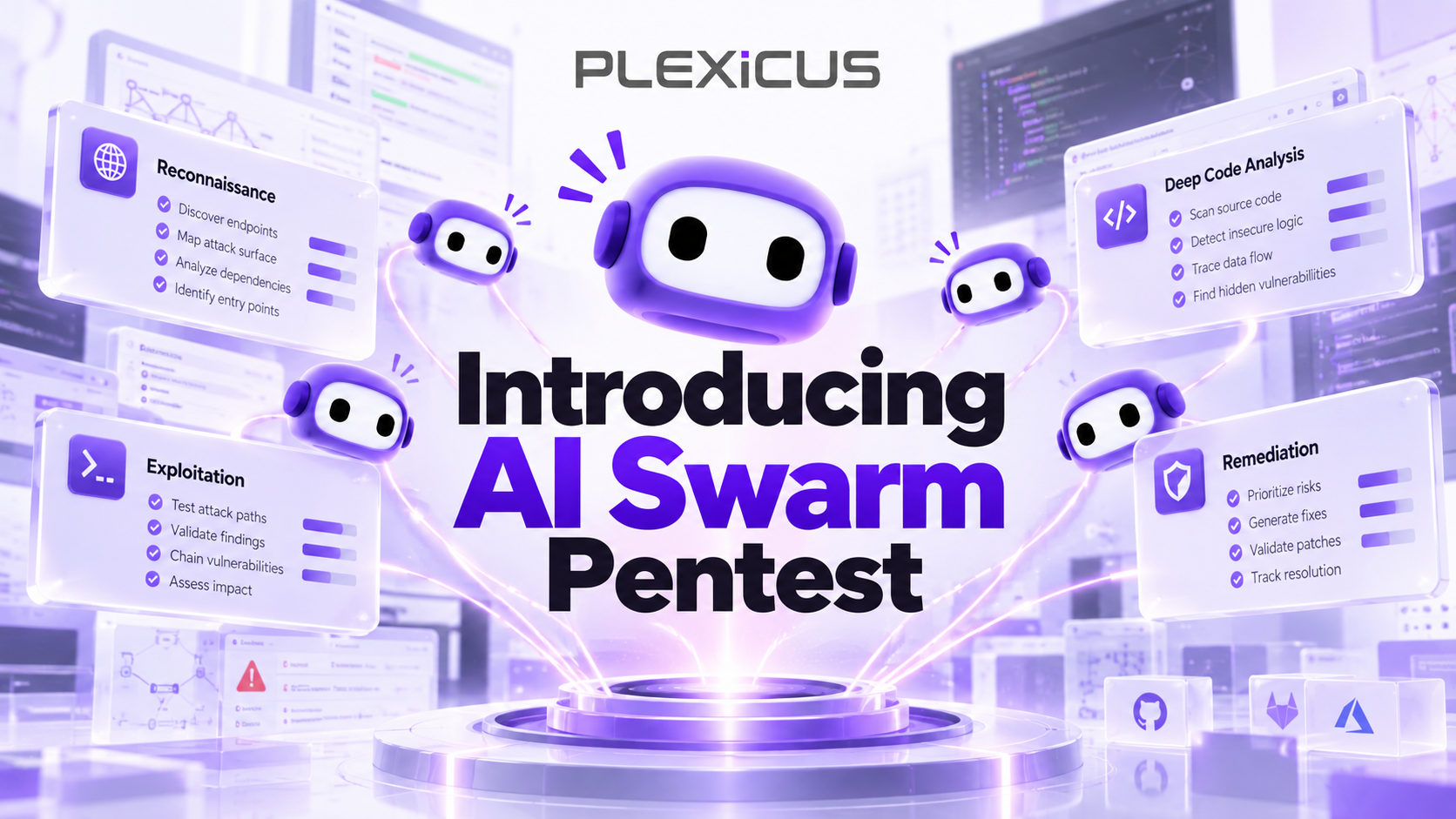
How specialized attack agents share context, challenge hypotheses, and independently verify attack paths inside the Plexicus Proof-Driven AppSec workflow.
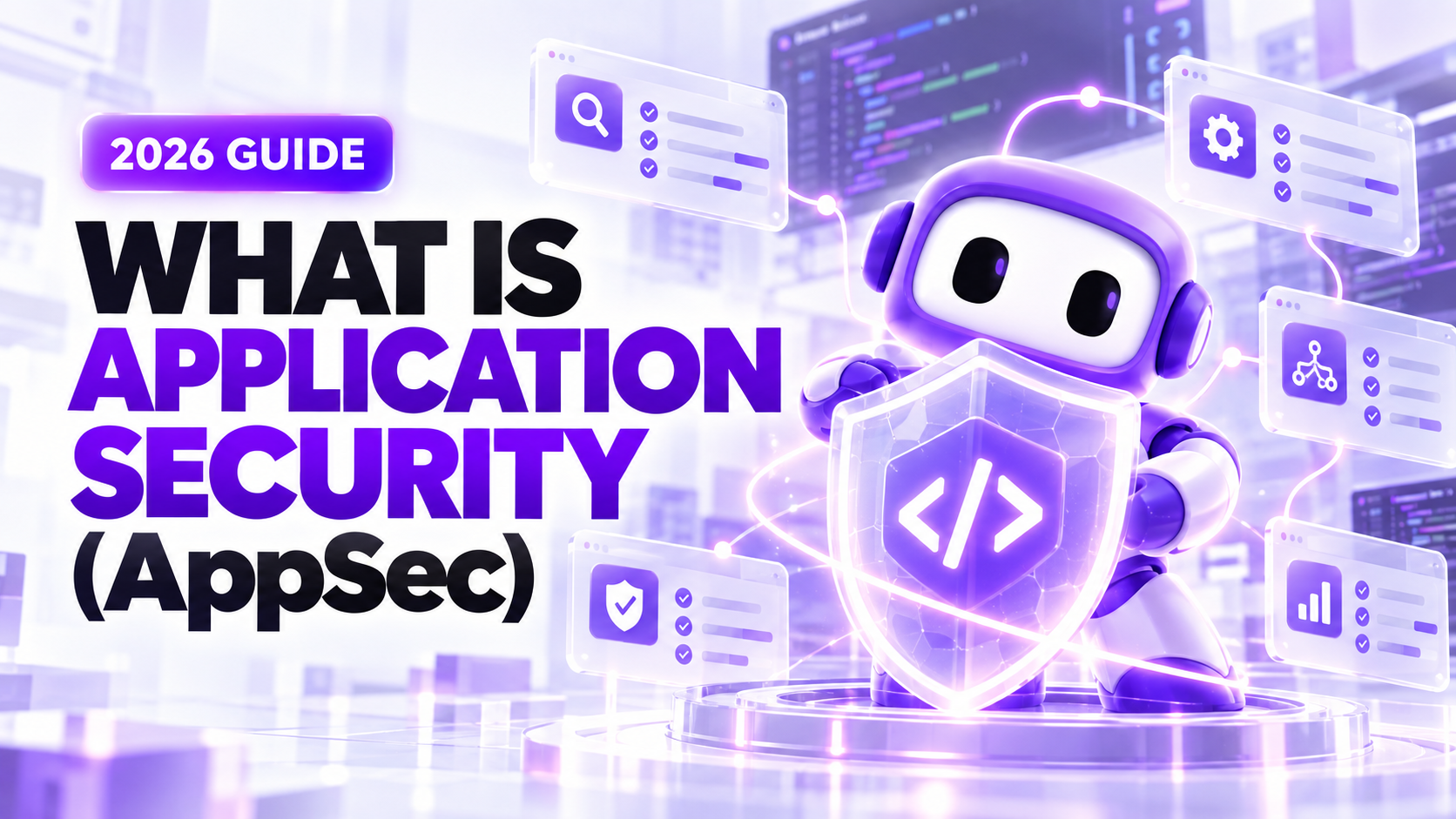
A complete guide to application security in 2026, from secure design and software supply chains to testing, exploit validation, remediation, and Proof-Driven AppSec.
A fruit-fly connectome offers a vivid test of a security principle: a demo is not proof until controls show what the advertised system contributes.
DevDay 2026 connected persistent agents, cloud coding, plugins, events, and shared work. Here is what shipped, what is still coming, and where AppSec boundaries lie.
Opus 5.5 motion-graphics demos reveal an agentic loop: plan, write code, run it, inspect, revise. Claude cybersecurity now depends on verification keeping pace.
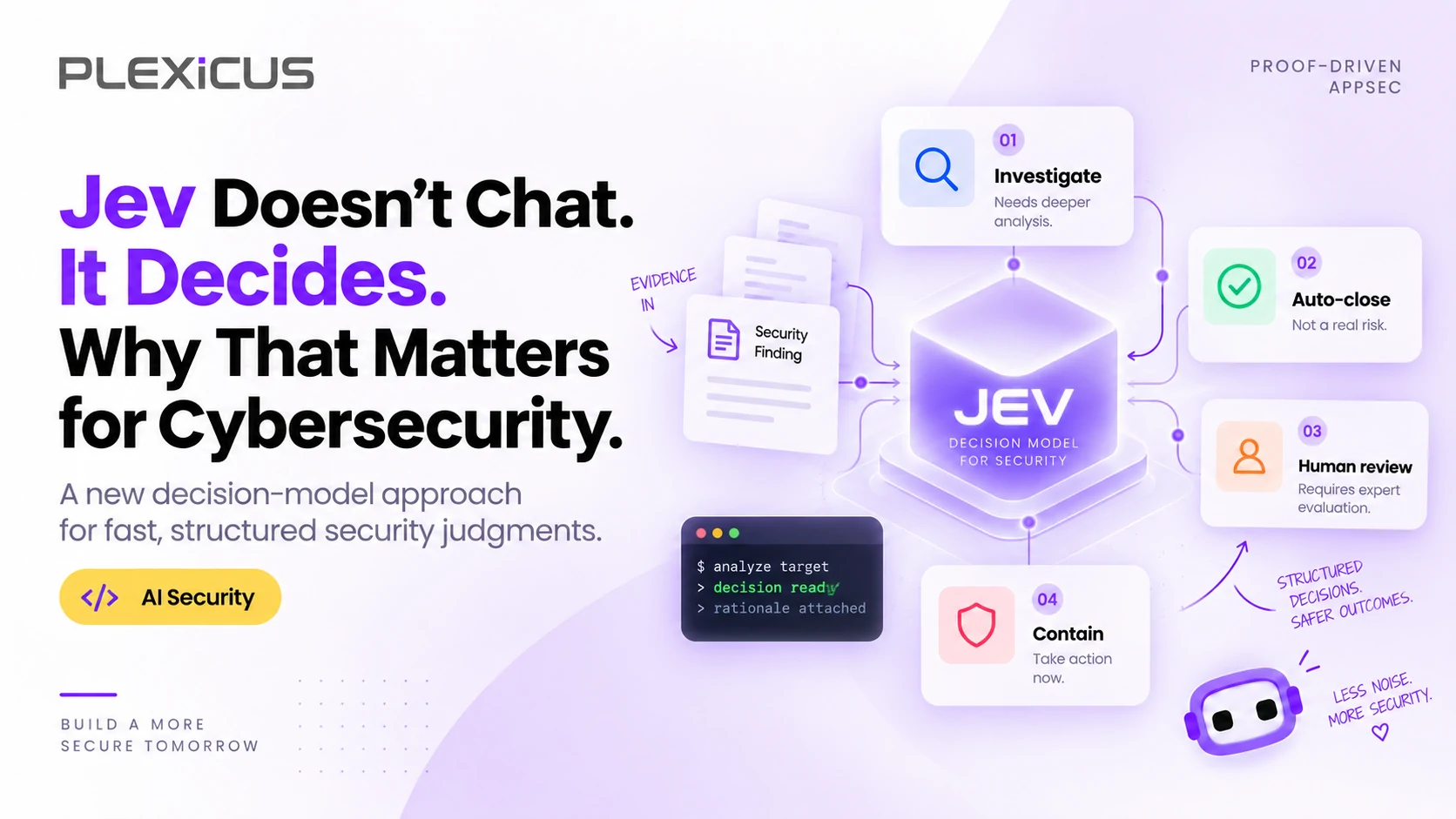
Jev AI returns typed decisions instead of prose. That could change where semantic judgment fits in security workflows, if teams keep policy, fallbacks, verification, and human review.
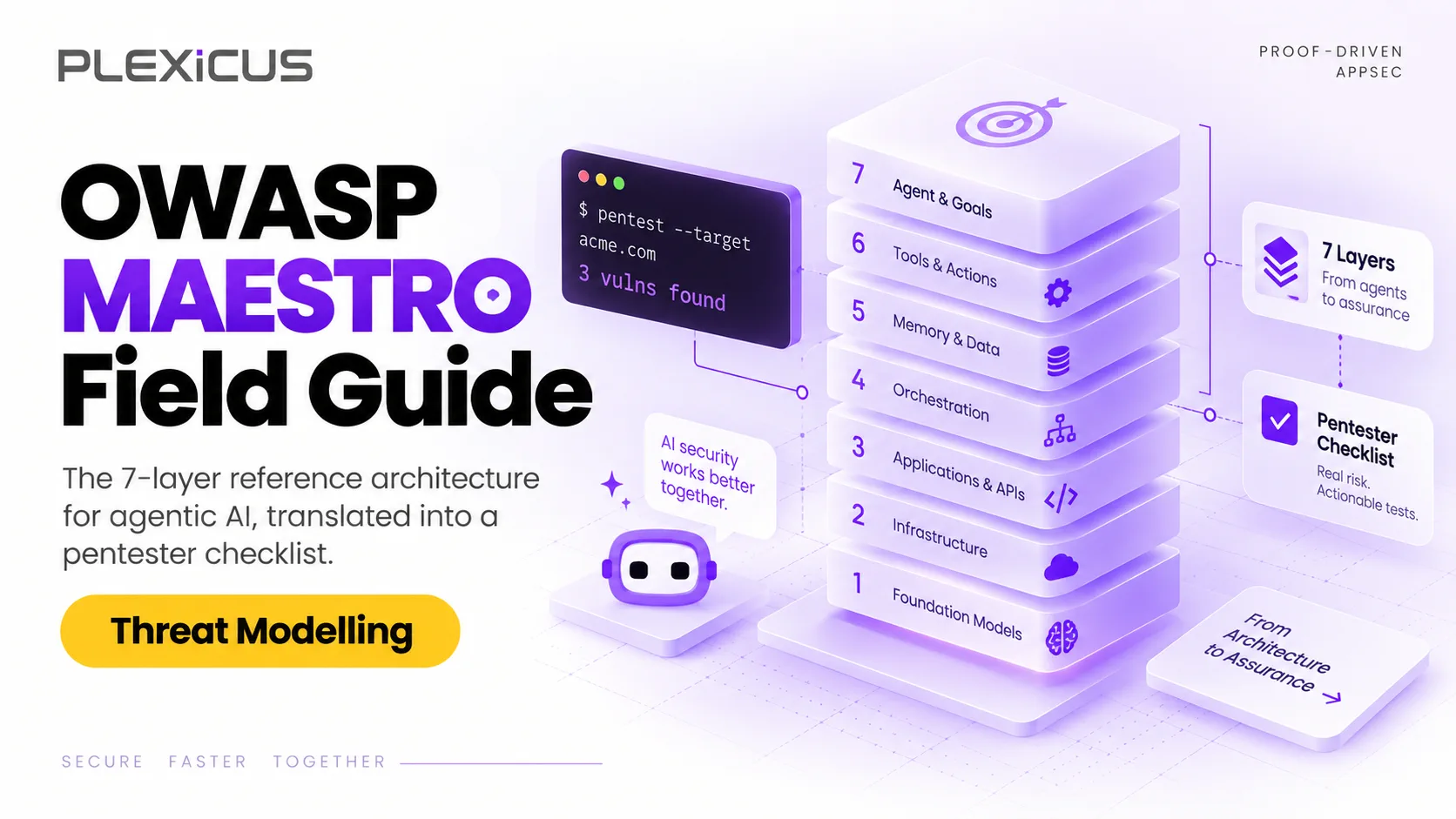
MAESTRO is the Cloud Security Alliance's 7-layer framework for agentic AI threat modeling, applied by the OWASP GenAI Security Project. This guide turns each layer into a pentest checklist.
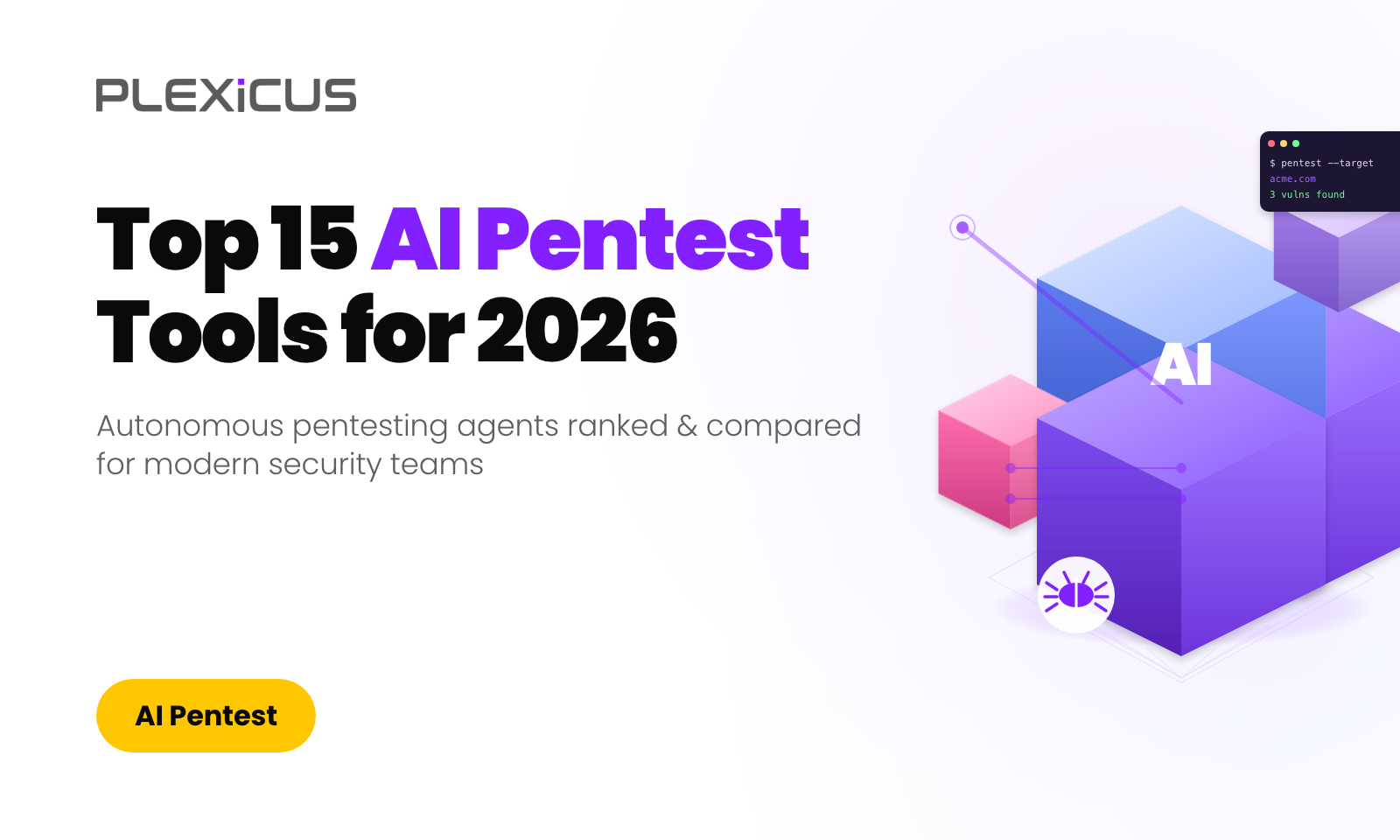
AI penetration testing in 2026 splits into three lanes: autonomous pentest agents, BAS platforms and AI-assisted PTaaS. We compared 15 tools on signed-scope evidence, replay and pricing.
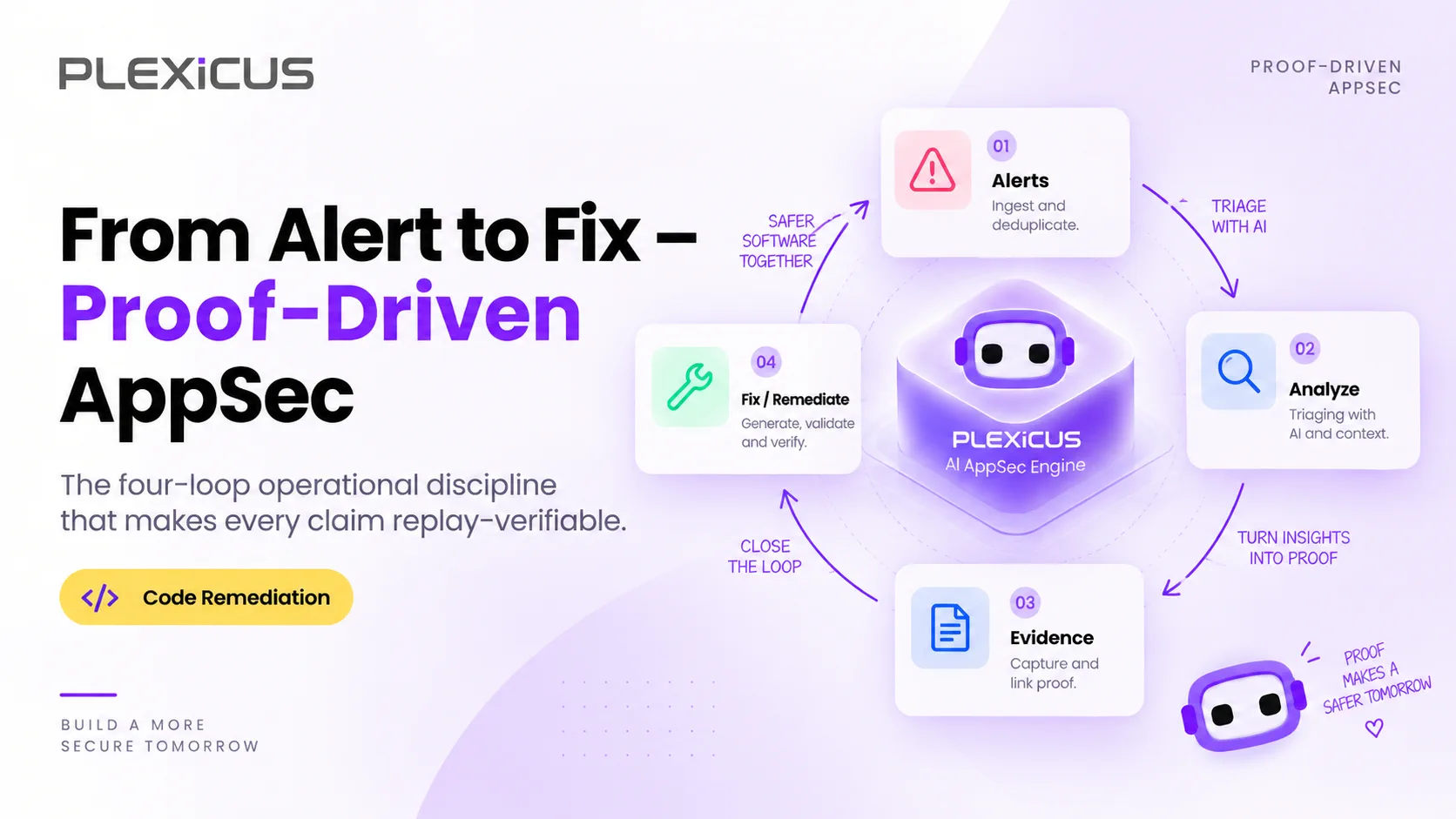
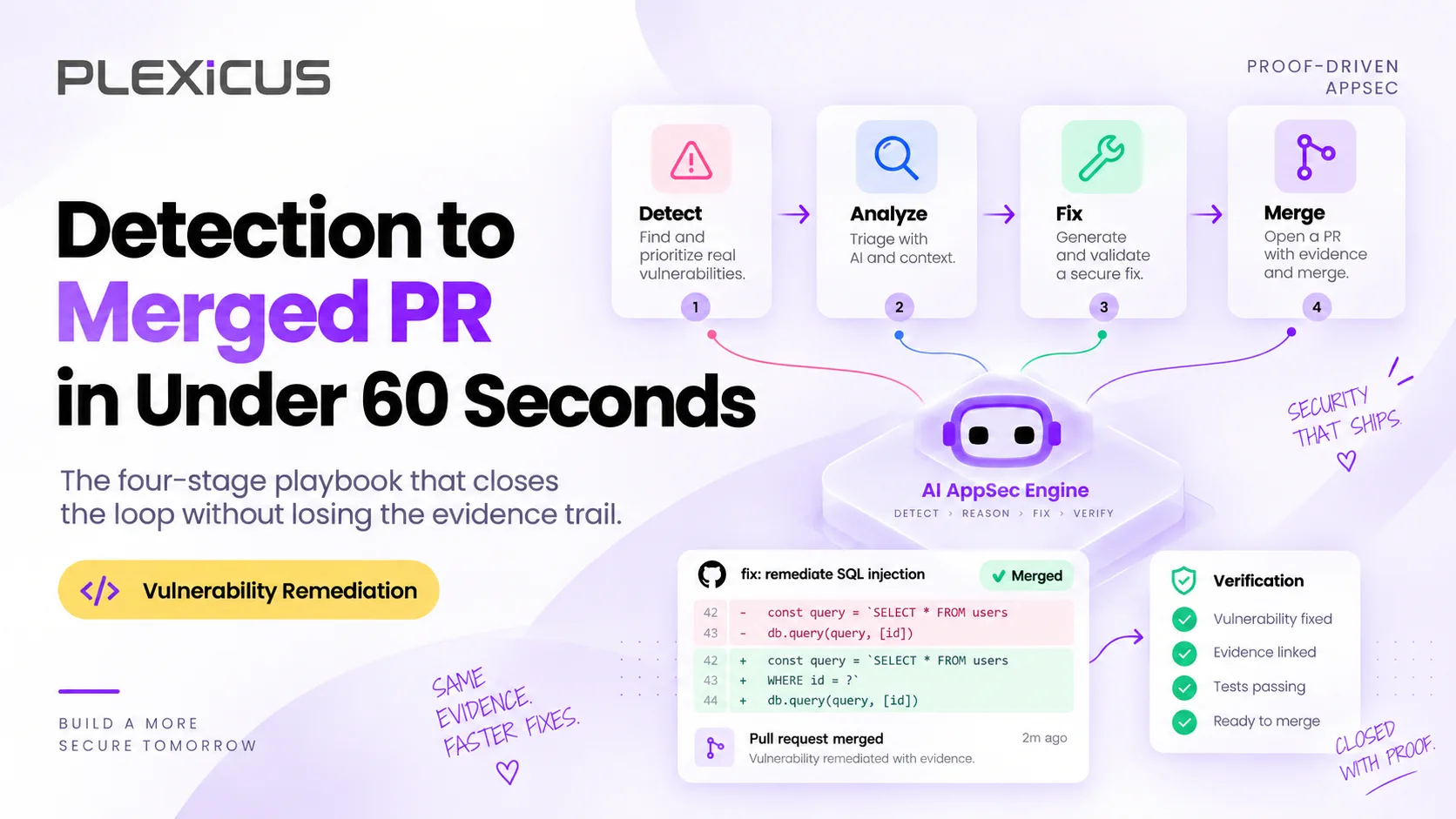
Proof-Driven AppSec is a vulnerability remediation process that closes the loop from alert to merged fix once, with replayable evidence at every step: detect, verify, fix, audit.
AI can remove repetitive AppSec work without removing accountability. Learn how to decide what to automate, what to augment, and when a security decision should be escalated to a person.
A four-step automated vulnerability remediation playbook that turns a verified finding into a tested, reviewer-ready PR in under 60 seconds, with the evidence attached.
`trivy image`を実行することはDevSecOpsではなく、ノイズ生成です。真のセキュリティエンジニアリングは信号対ノイズ比に関するものです。このガイドは、ビジネスを止めずに脆弱性を止めるための17の業界標準ツールのプロダクショングレードの設定を提供し、プリコミット、CIゲートキーパー、ランタイムスキャンの3つのフェーズに整理されています。
セキュリティツールのインストールは簡単な部分です。難しいのは「2日目」から始まります。そのツールが5,000件の新しい脆弱性を報告したときです。このガイドは脆弱性管理に焦点を当てています:重複したアラートをフィルタリングし、誤検知を管理し、実際に成功を測る指標を追跡する方法を学びます。「バグを見つける」から「リスクを修正する」へと移行し、チームを圧倒しない方法を学びましょう。
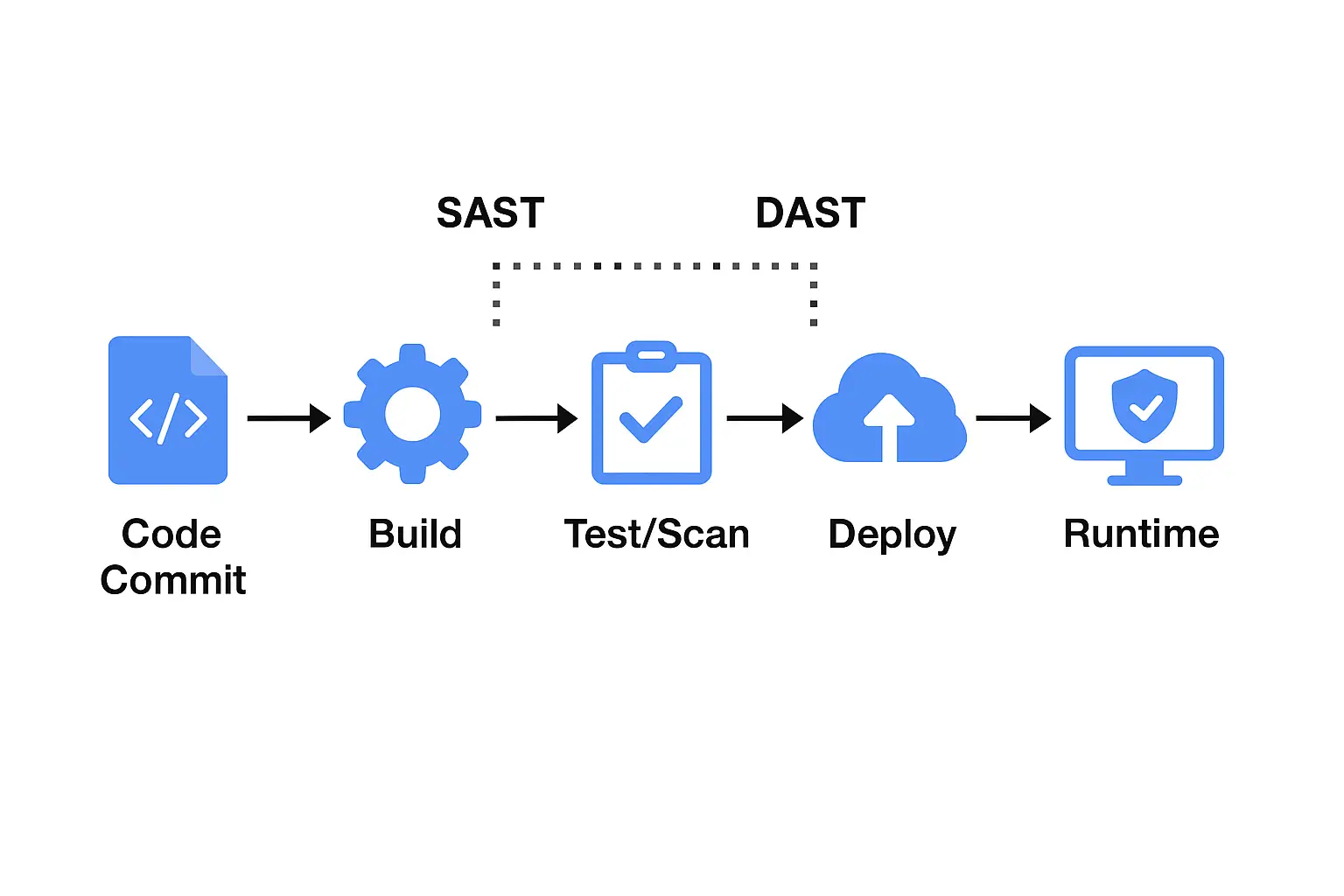
SASTとDASTは、アプリケーションを攻撃から守るためのセキュリティテスト手法です。それぞれがアプリケーションセキュリティにどのように役立つかを理解するために、これらの違いとワークフローにおける位置付けを見てみましょう。
Plexicus、Cycode、Wiz、Apiiroなどの主要なASPMツールを比較して、AppSecテストと脆弱性管理を自動化
脆弱性を検出し、API攻撃を阻止し、高度なスキャンとテストでアプリケーションを保護するためのトップAPIセキュリティツールを発見してください。
現代のアプリケーションは、サードパーティやオープンソースのライブラリに大きく依存しています。これにより開発が迅速化されますが、攻撃のリスクも増加します。各依存関係は、未修正のセキュリティ欠陥、リスクのあるライセンス、または古いパッケージなどの問題を引き起こす可能性があります。ソフトウェア構成分析(SCA)ツールはこれらの問題に対処するのに役立ちます。
市場にはオープンソースからエンタープライズグレードまで、数十のSASTツールがあります。課題は、どのSASTツールがあなたのチームに最適かです。
ウェブアプリケーションセキュリティは、機密データを狙ったサイバー攻撃からアプリを保護し、操作を妨害することが不可欠です。このガイドでは、ウェブアプリセキュリティの重要性、一般的な脆弱性、ベストプラクティス、テスト方法をカバーし、アプリケーションを安全にし、コンプライアンスを確保し、ユーザーの信頼を維持する方法を紹介します。
悪夢のようなセキュリティ侵害が多くのヨーロッパ企業にとって現実となっています。侵害リストから外れるために知っておくべき15の変革的なDevSecOpsトレンドを学びましょう。
PlexicusがStartup Wise Guys 2025年春バッチアクセラレータープログラムを卒業しました。
今日、ソフトウェアを構築または運用している場合、おそらくマイクロサービス、サーバーレス関数、コンテナ、サードパーティパッケージ、およびコンプライアンスチェックボックスの雪崩を処理していることでしょう。それぞれの動く部分が独自の発見、ダッシュボード、そして赤い警告を生み出します。やがて、リスクの可視性は午前2時のサンフランシスコの霧の中を運転するような感覚になります。危険がそこにあることはわかっているが、はっきりとは見えないのです。
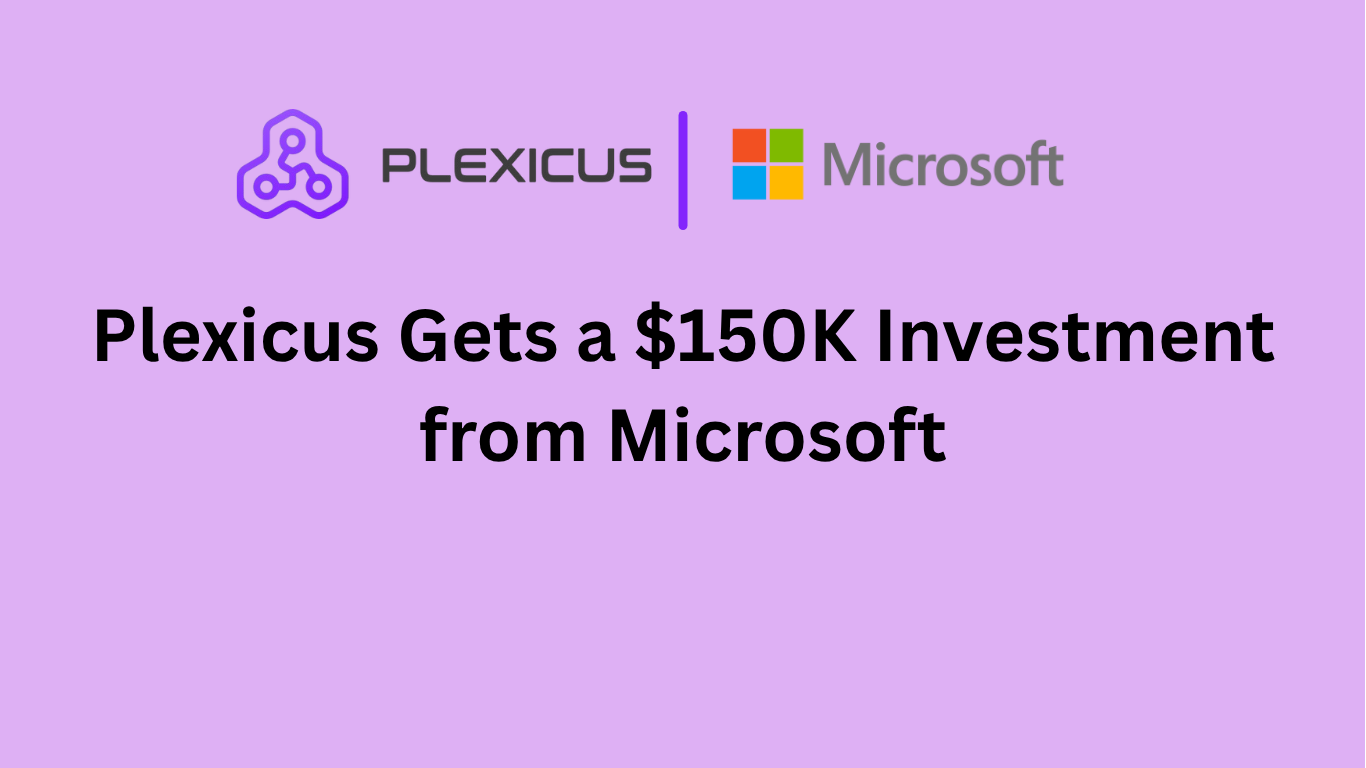
Plexicusは、クラウドインフラストラクチャを拡大するためにMicrosoftから15万ドルの投資を獲得しました。この資金により、システムの性能、スケーラビリティ、信頼性が向上し、PlexicusはAIを活用した企業向けソリューションでより多くの企業を支援できるようになります。
Plexicusの新しいBlackDuck統合が、リアルタイムの脆弱性検出、自動リスク優先順位付け、シームレスなDevSecOpsワークフローにより、オープンソースのセキュリティをどのように強化するかを発見してください。
Plexicusがリアルタイムの脆弱性修復のためのAI駆動セキュリティプラットフォームを立ち上げました。自律エージェントが脅威を即座に検出、優先順位付け、修正します。
PlexicusとCéfirosの新たな協力により、ラテンアメリカとイベリアの19か国でアプリケーションセキュリティが強化される予定です。このサイバーセキュリティの協力は、サイバー脅威に対抗するために積極的に防御を求める組織に、先進的なアプリケーションセキュリティポスチャーマネジメント(ASPM)ソリューションを提供します。
DORA、ISO 27001、NIST SP 800-53のようなフレームワークは、堅牢なアプリケーションセキュリティポスチャーマネジメントに不可欠であり、組織が基準を満たし、リスクを軽減し、規制コンプライアンスを維持するのに役立ちます。
Plexicus is Proof-Driven AppSec: validated findings, contextual understanding, and reviewed remediation — anchored in evidence, scoped with you.