Dependabot Can Update AI Agent Skills. Who Reviews What Changed?
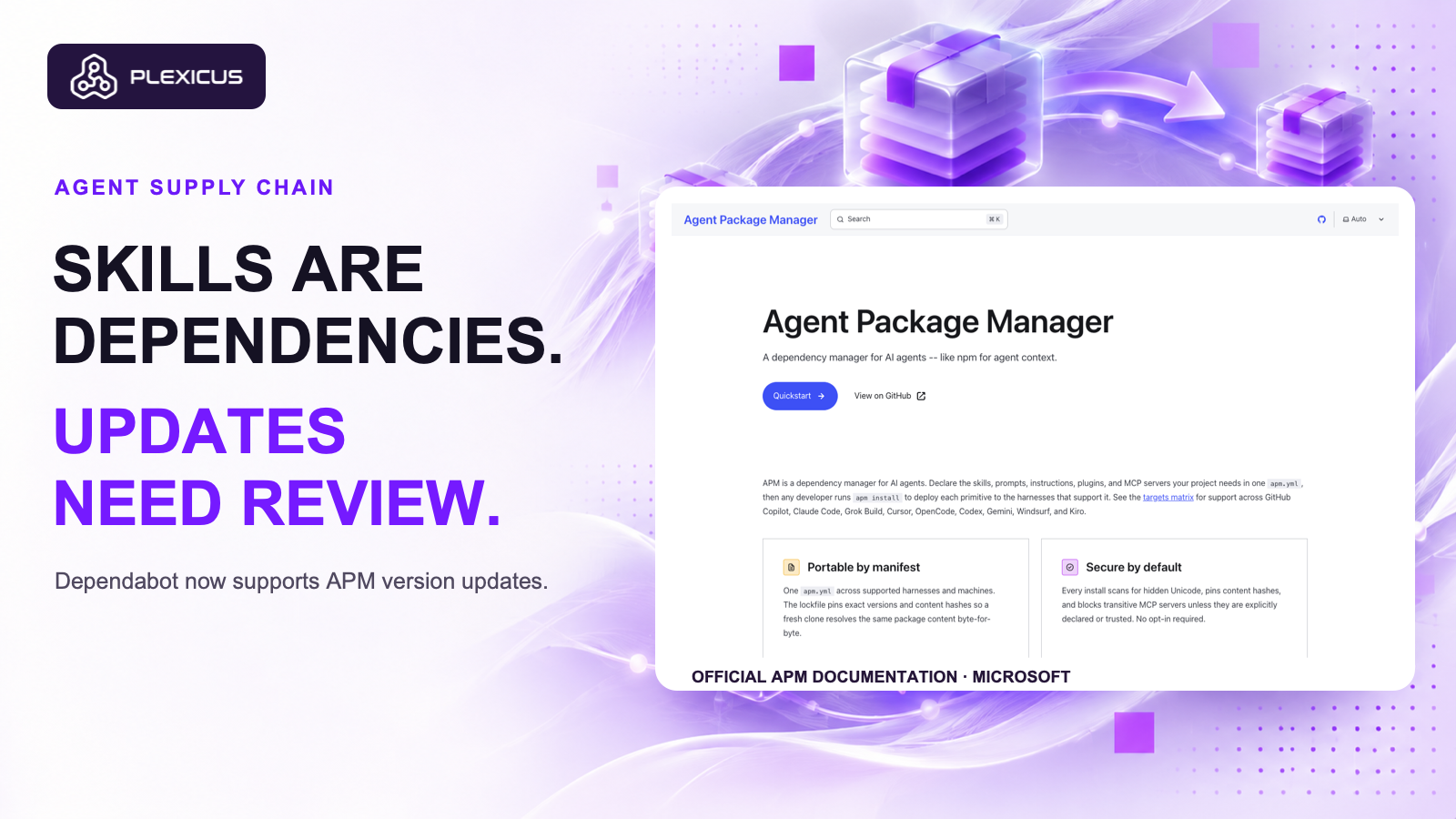
Dependabot can propose version updates for agent dependencies. The change puts skills and instructions into an existing review workflow.
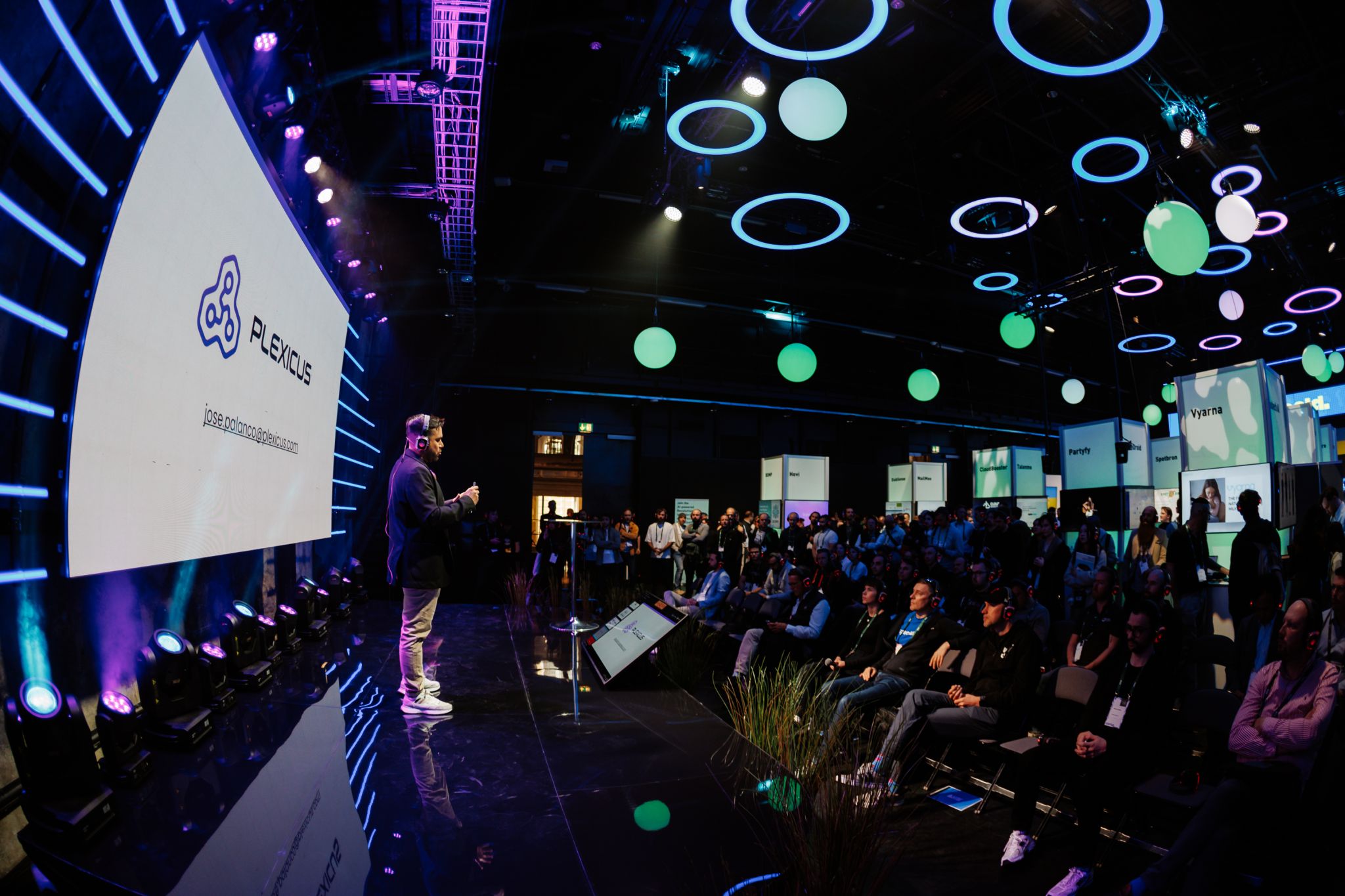
José Ramón Palanco is the CEO/CTO of Plexicus, a pioneering company in ASPM (Application Security Posture Management) launched in 2024, offering AI-powered remediation capabilities. Previously, he founded Dinoflux in 2014, a Threat Intelligence startup that was acquired by Telefonica, and has been working with 11paths since 2018. His experience includes roles at Ericsson`s R&D department and Optenet (Allot). He holds a Telecommunications Engineering degree from the University of Alcala de Henares and a Master`s in IT Governance from the University of Deusto. As a recognized cybersecurity expert, he has been a speaker at various prestigious conferences including OWASP, ROOTEDCON, ROOTCON, MALCON, and FAQin. His contributions to the cybersecurity field include multiple CVE publications and the development of various open source tools such as nmap-scada, ProtocolDetector, escan, pma, EKanalyzer, SCADA IDS, and more.
Dependabot can propose version updates for agent dependencies. The change puts skills and instructions into an existing review workflow.
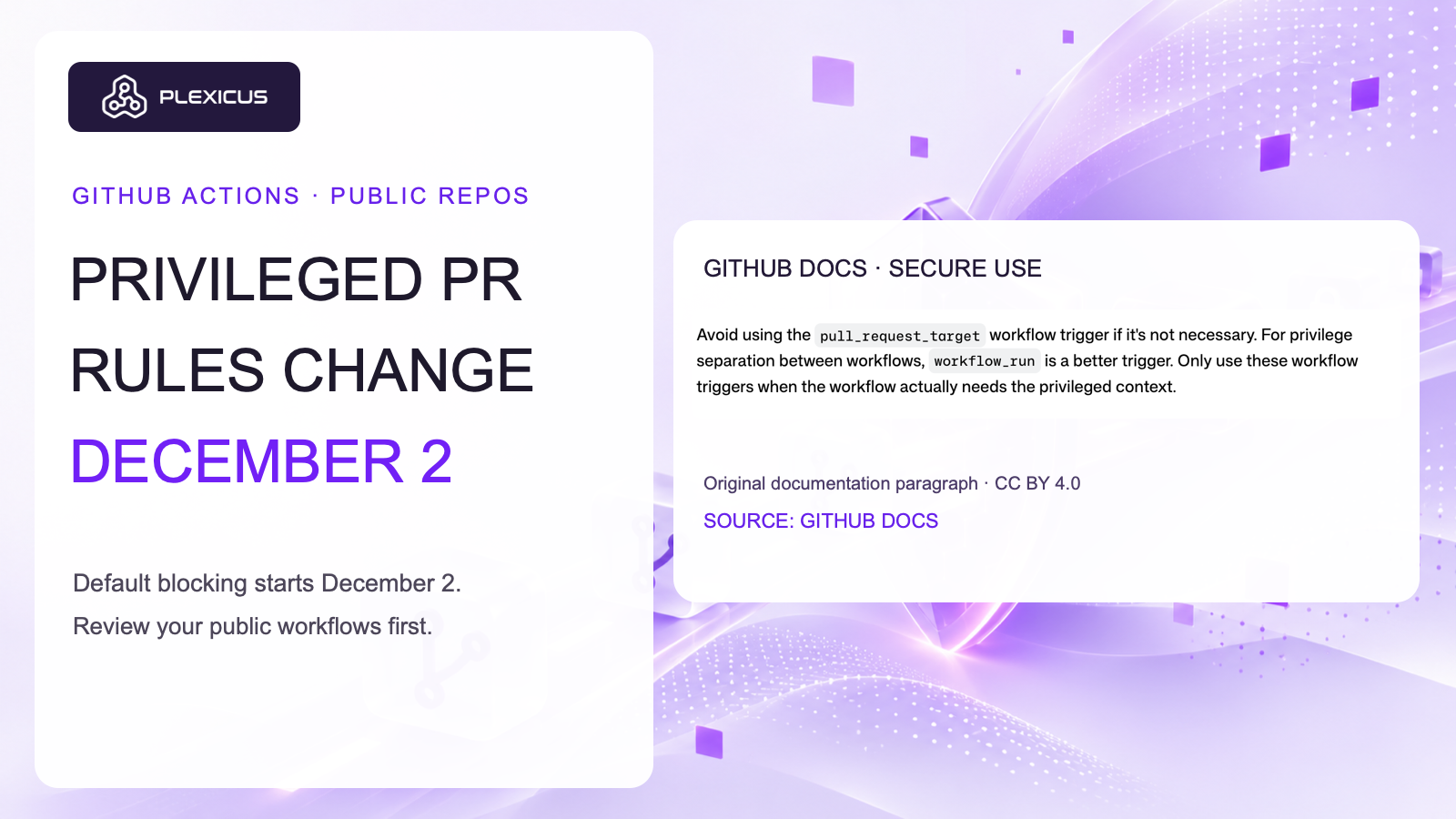
A GitHub Actions policy change puts privileged pull request workflows under scrutiny. Here is what maintainers can do before enforcement.
An internal DeepSeek evaluation separates exploit capability from operational restraint. Define scope, evidence and cleanup before autonomous testing.
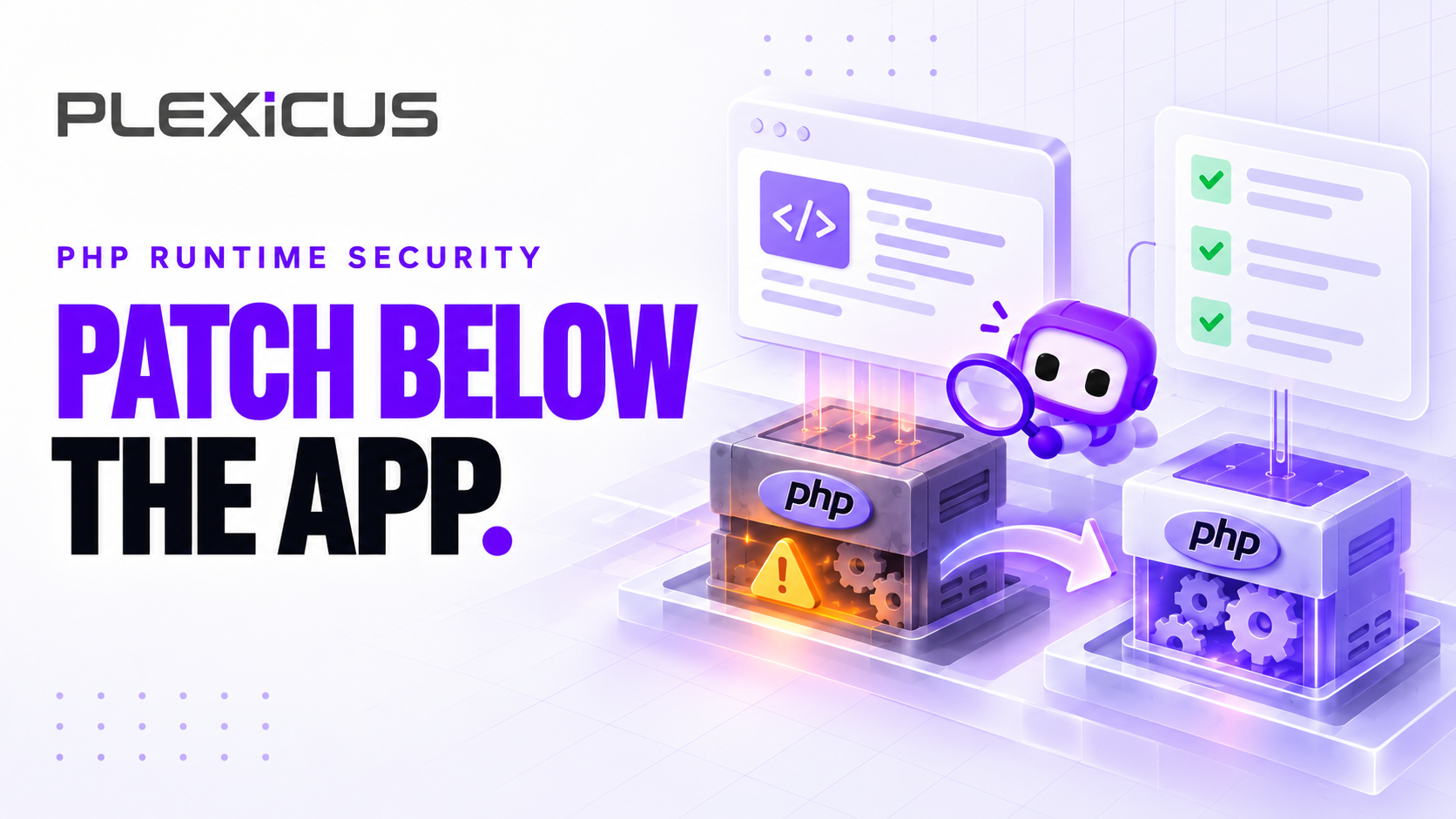
Separate PHP runtime exposure from application findings, verify worker replacement and keep remediation evidence reviewable with Plexicus.
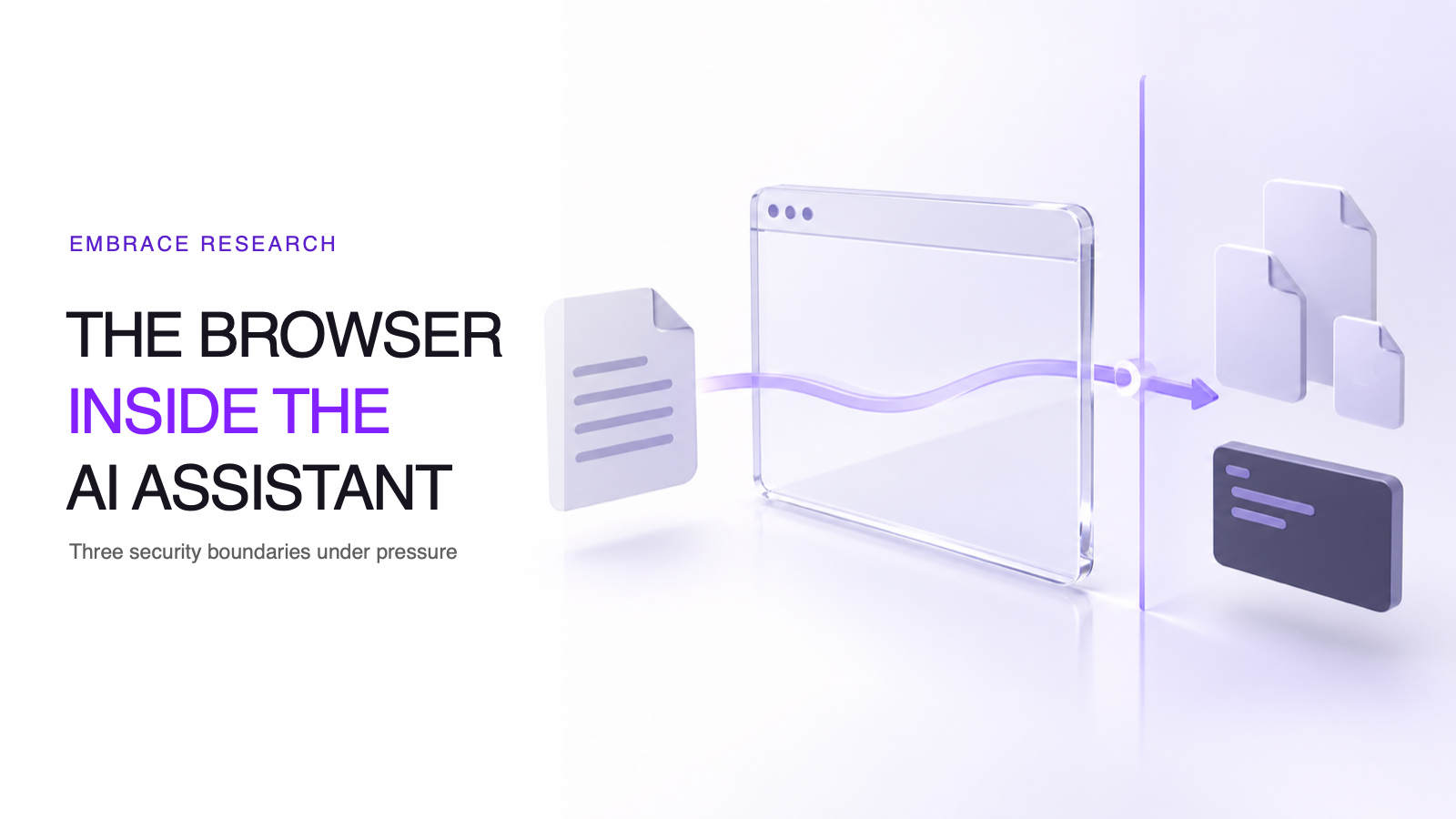
EMBRACE is a useful reminder that an embedded browser does not automatically keep the security boundaries of a standalone browser.
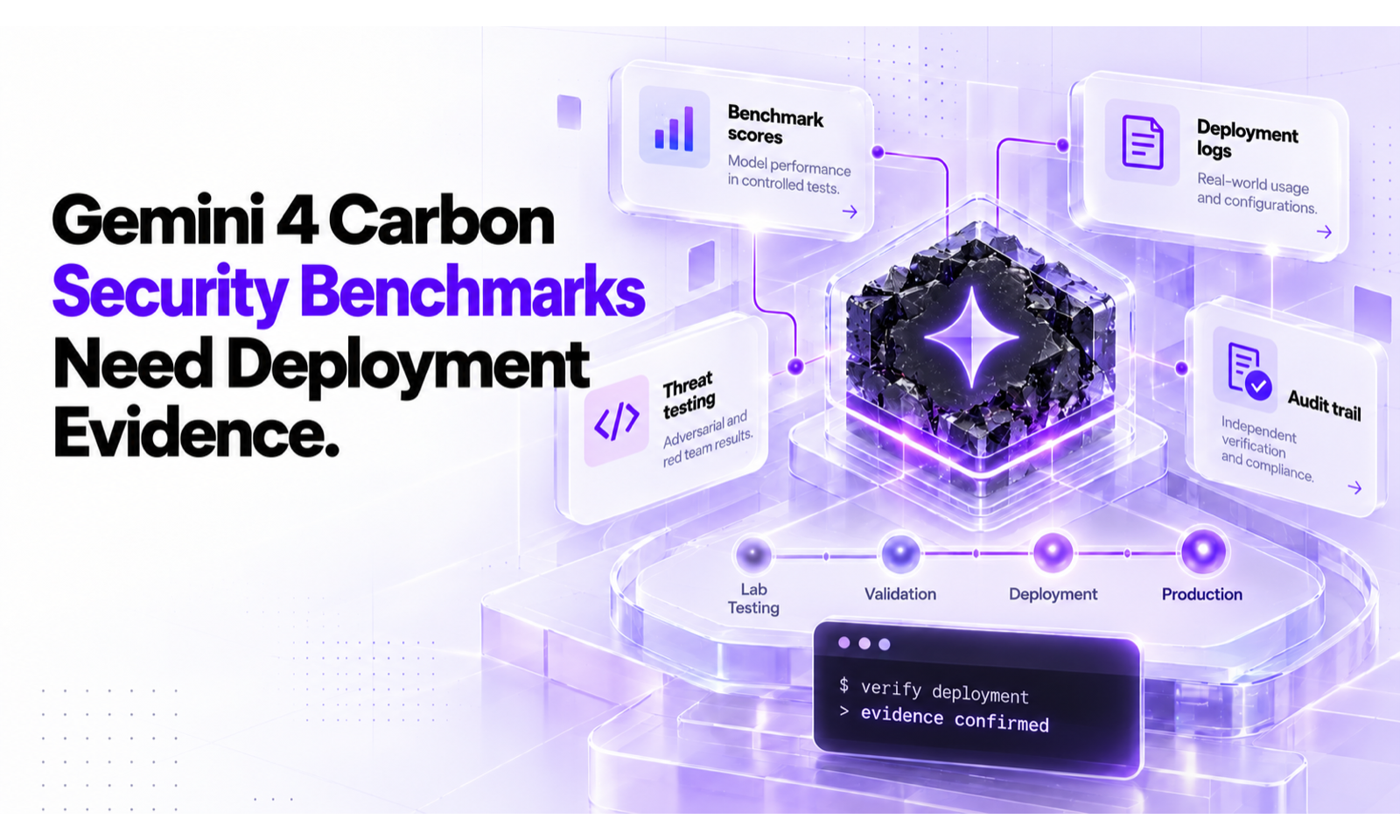
Turn AI security benchmark claims into a scoped evaluation with reproducible findings, reviewed patches and deployment retests.
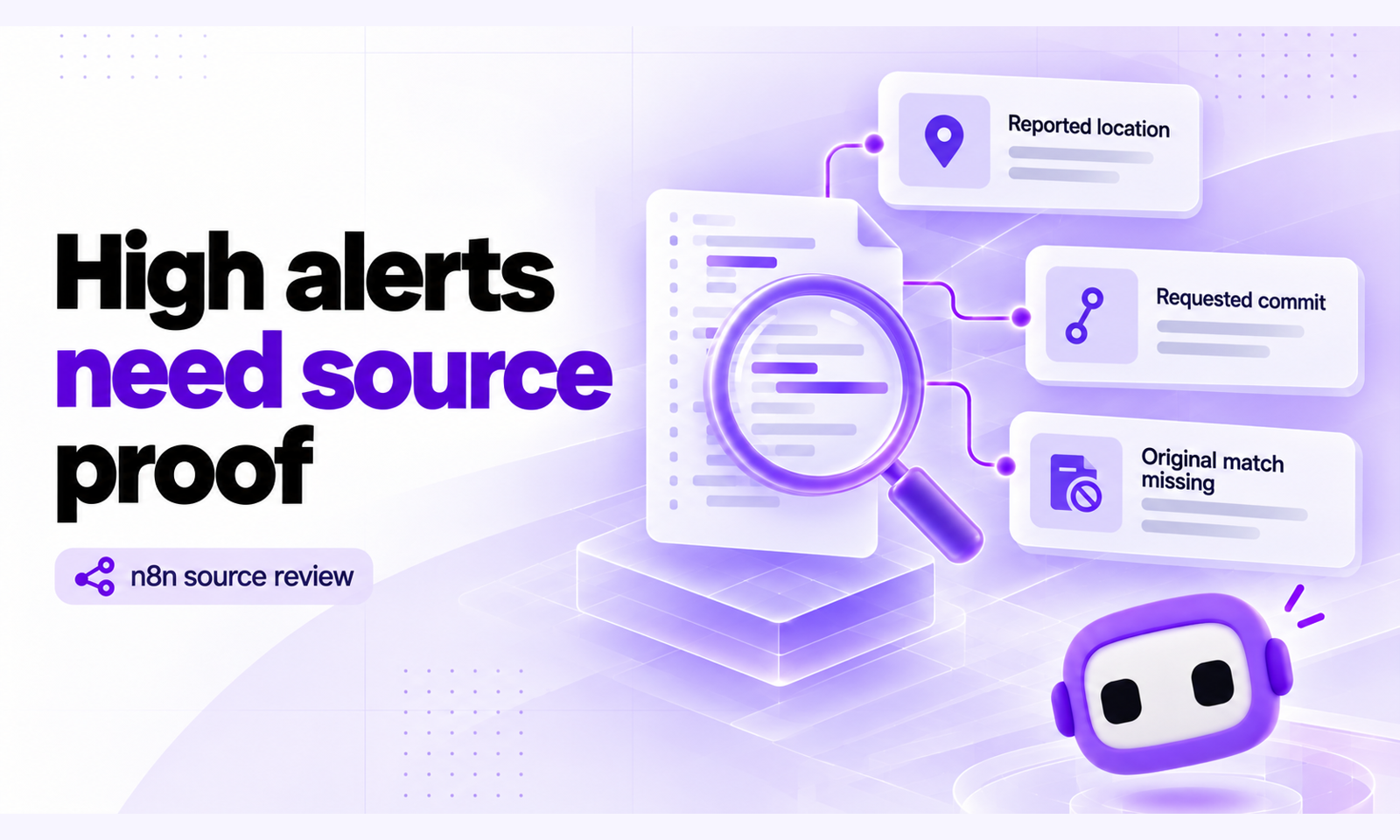
A source review of three high-severity n8n alerts shows why scan provenance and credential context matter before declaring a leak.
Review browser-loaded scripts, test integrity controls and retain deployment evidence after the Convertr analytics-script incident.
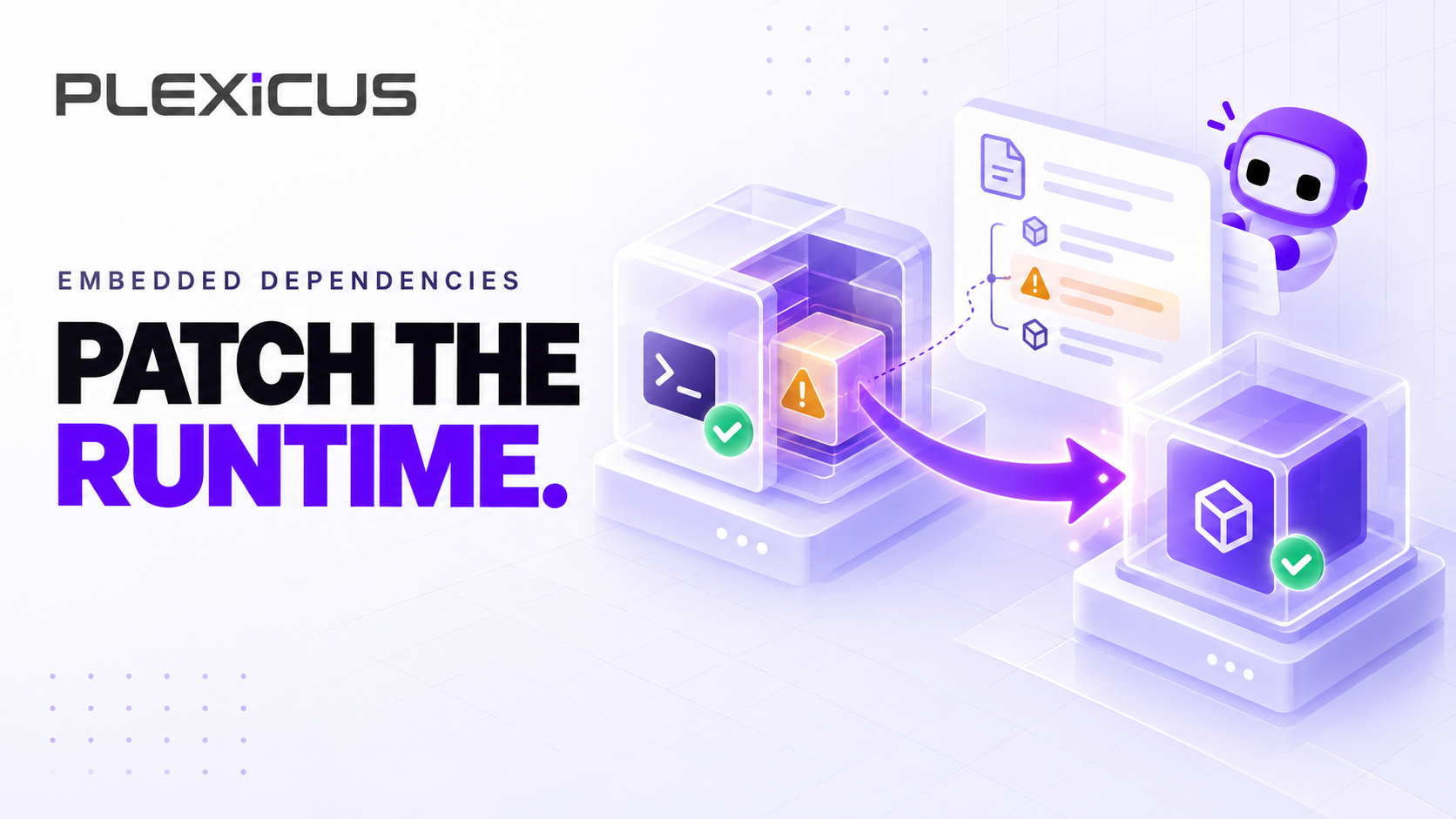
Map embedded Wasmtime dependencies to shipped artifacts, choose the correct advisory fix and verify rebuilt deployments with a Plexicus evidence workflow.
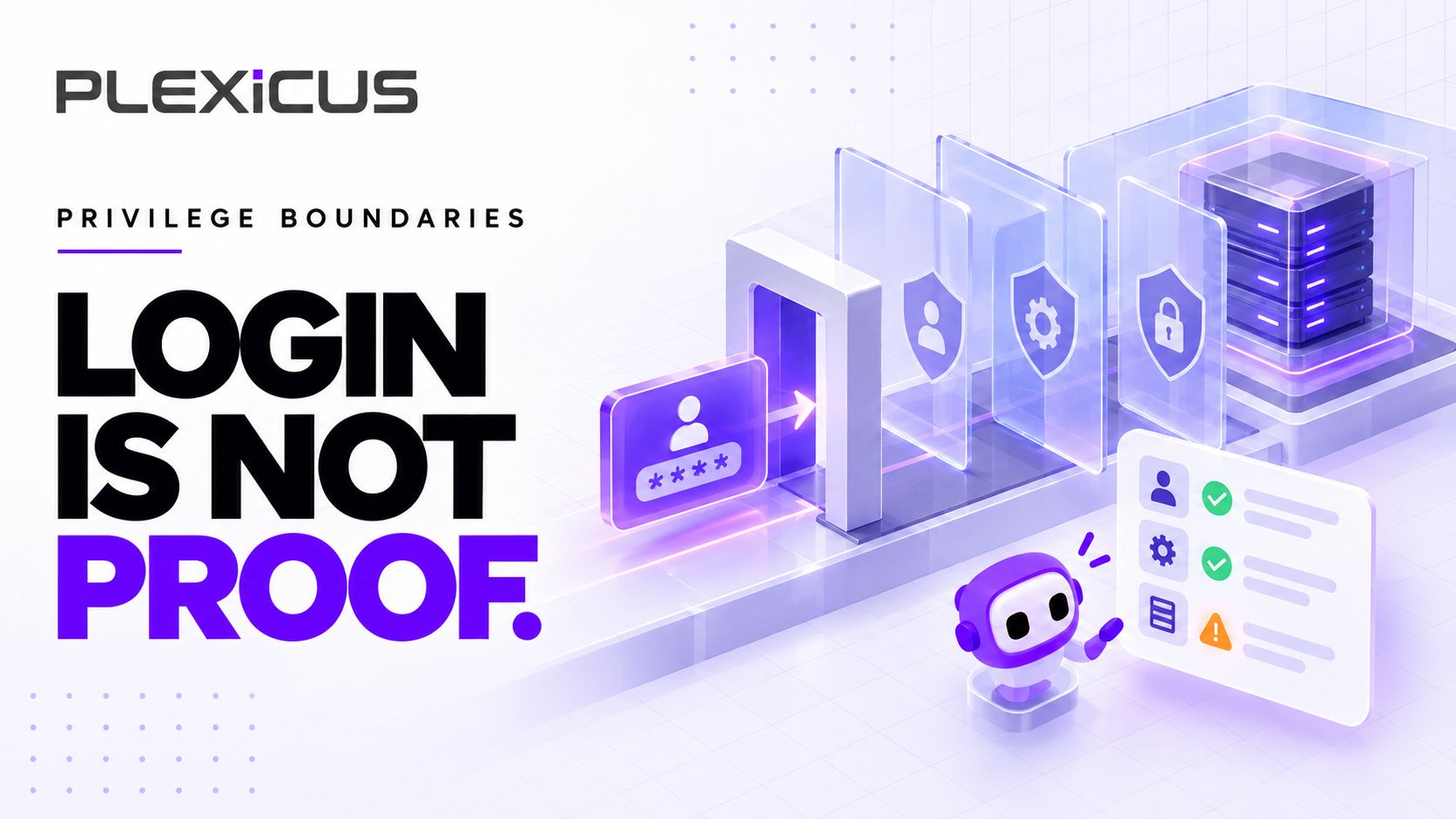
A practical evidence workflow for testing authorization boundaries, connecting code context to impact, and reviewing remediation with Plexicus.
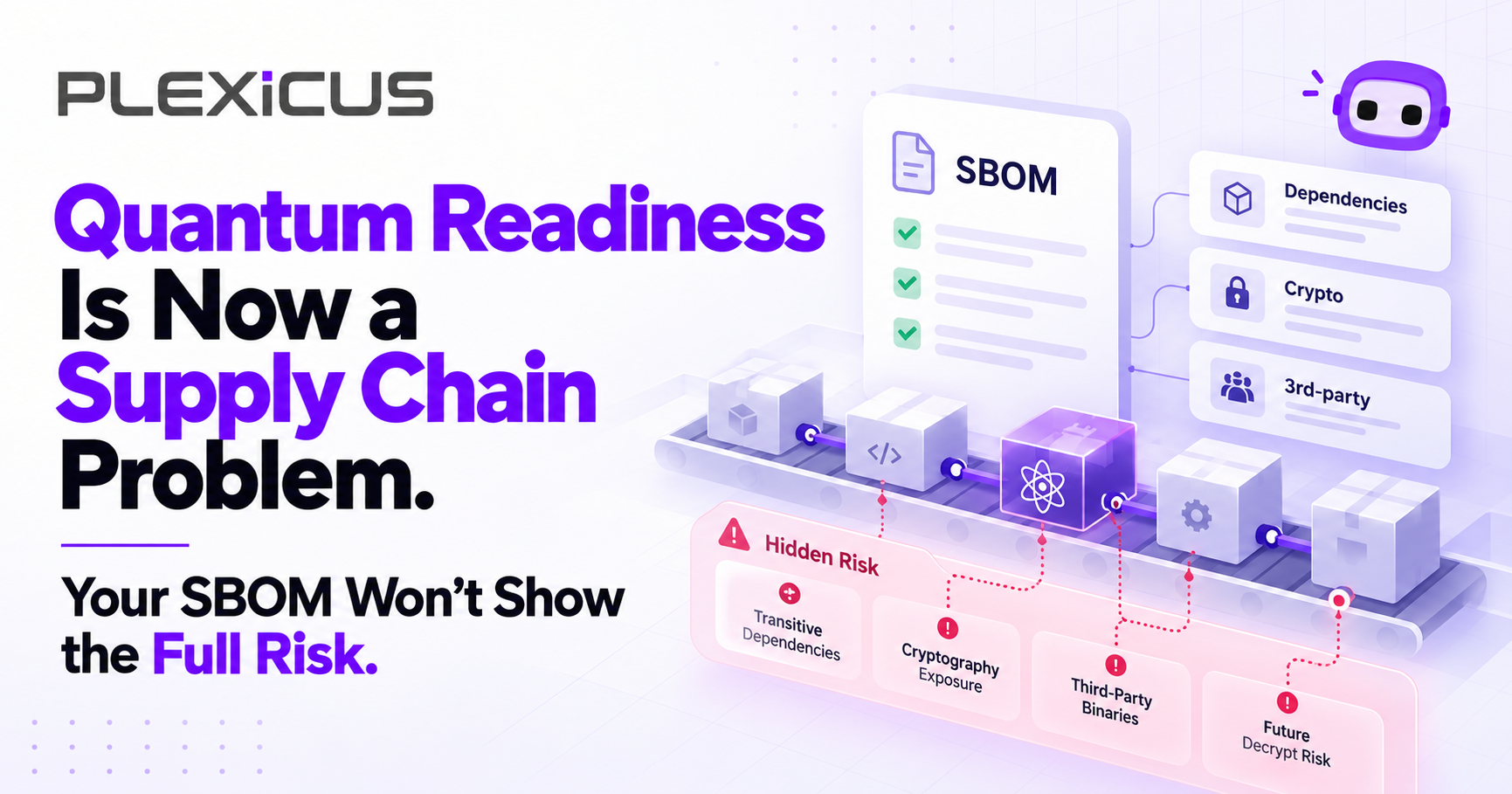
Quantum readiness starts with knowing where cryptography lives. Singapore’s 2026 milestones make discovery urgent, while SBOMs alone cannot show every algorithm, runtime setting or supplier dependency that may need a migration plan.
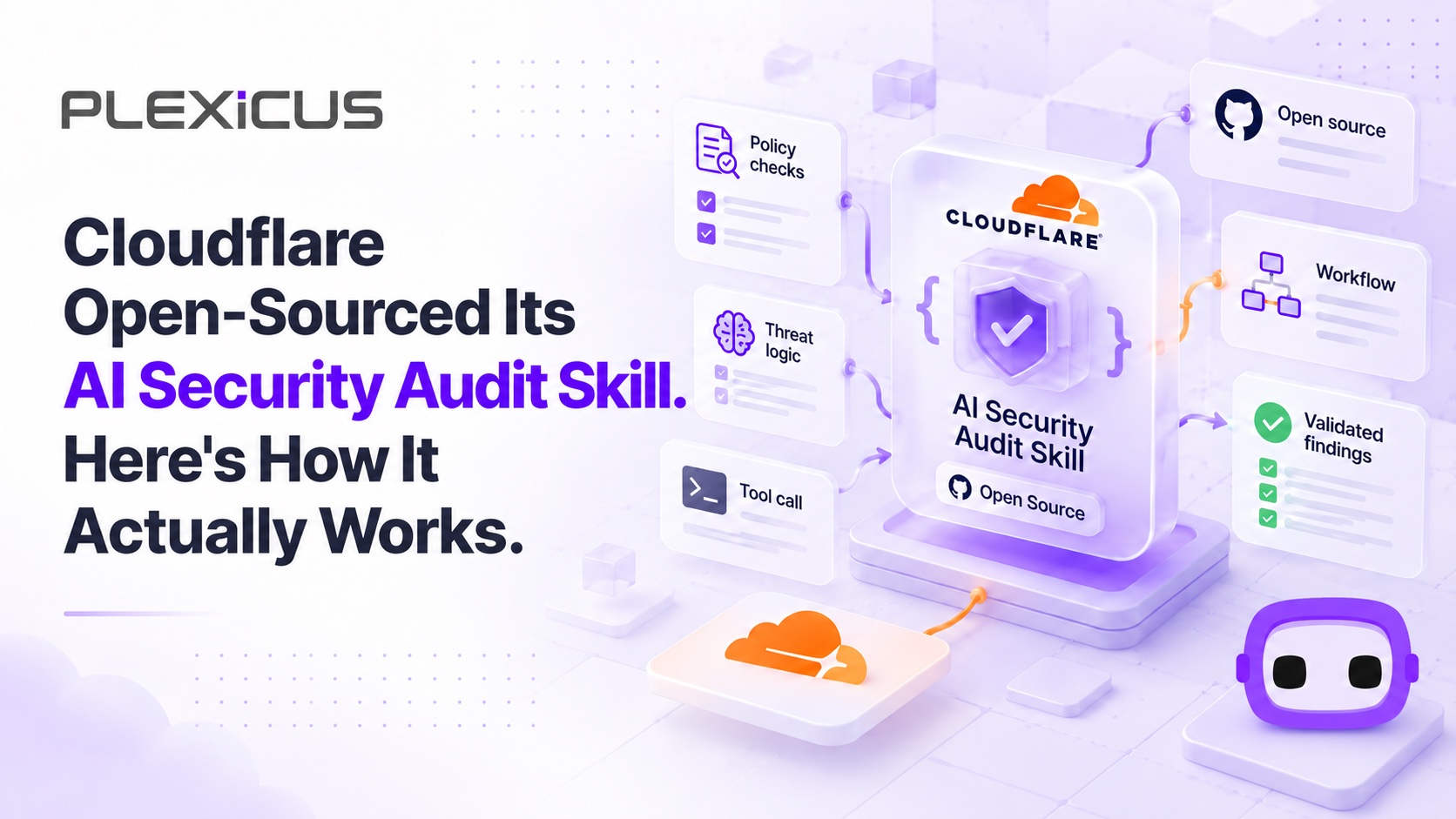
Cloudflare’s open-source coding-agent skill uses coverage-led hunting, independent validation, and structured evidence. Here is what the workflow can—and cannot—establish.
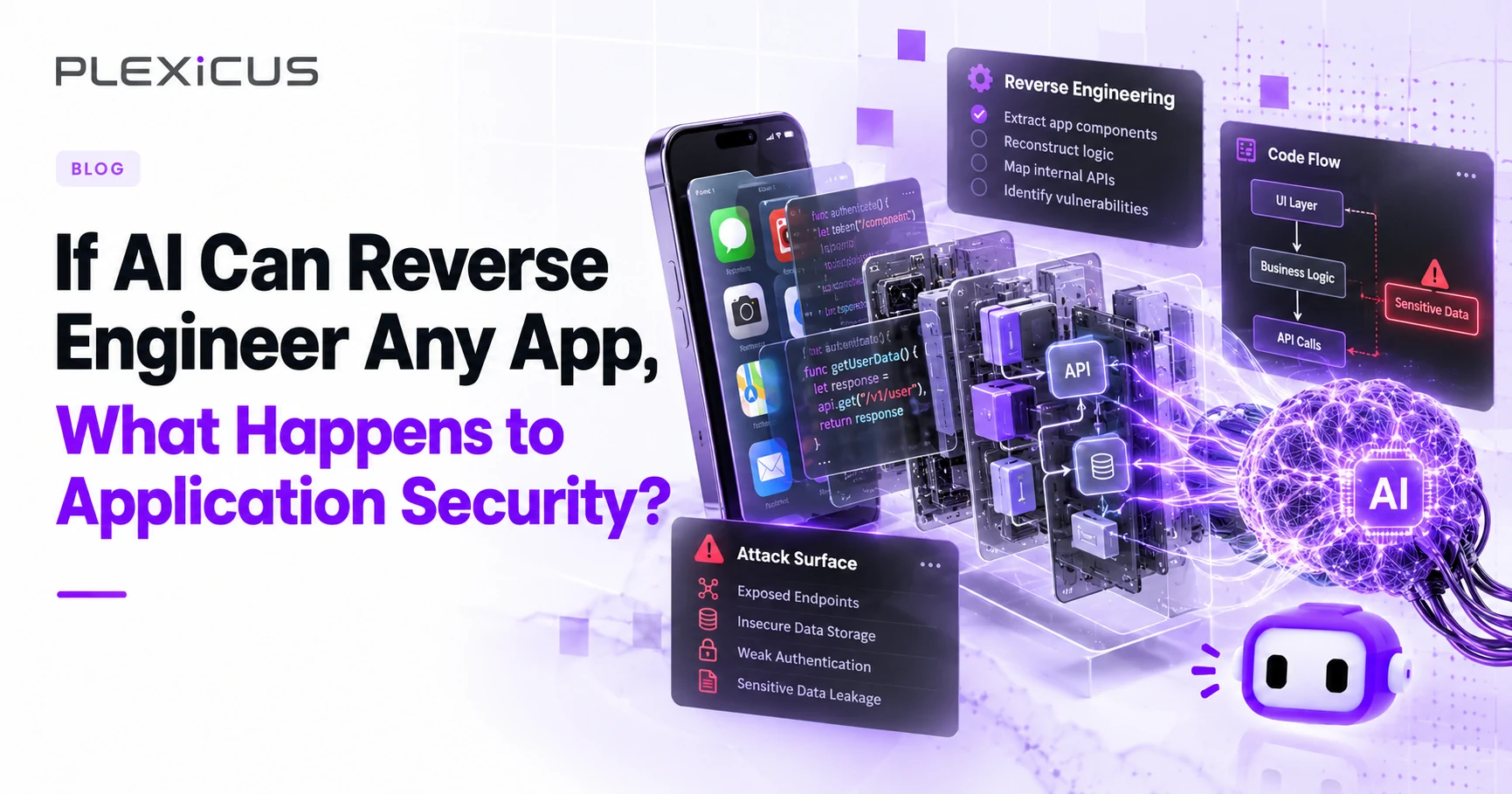
AI can help analysts navigate compiled software, but a decompiler output is not a vulnerability report. See how REA changes analysis, why reverse- engineering agents need protection, and how teams can validate findings.
Three systems asserted a condition and none of them checked whether it still held. A registry reported a package was attested. An evaluation harness reported a model was offline. An assistant reported a package would work.
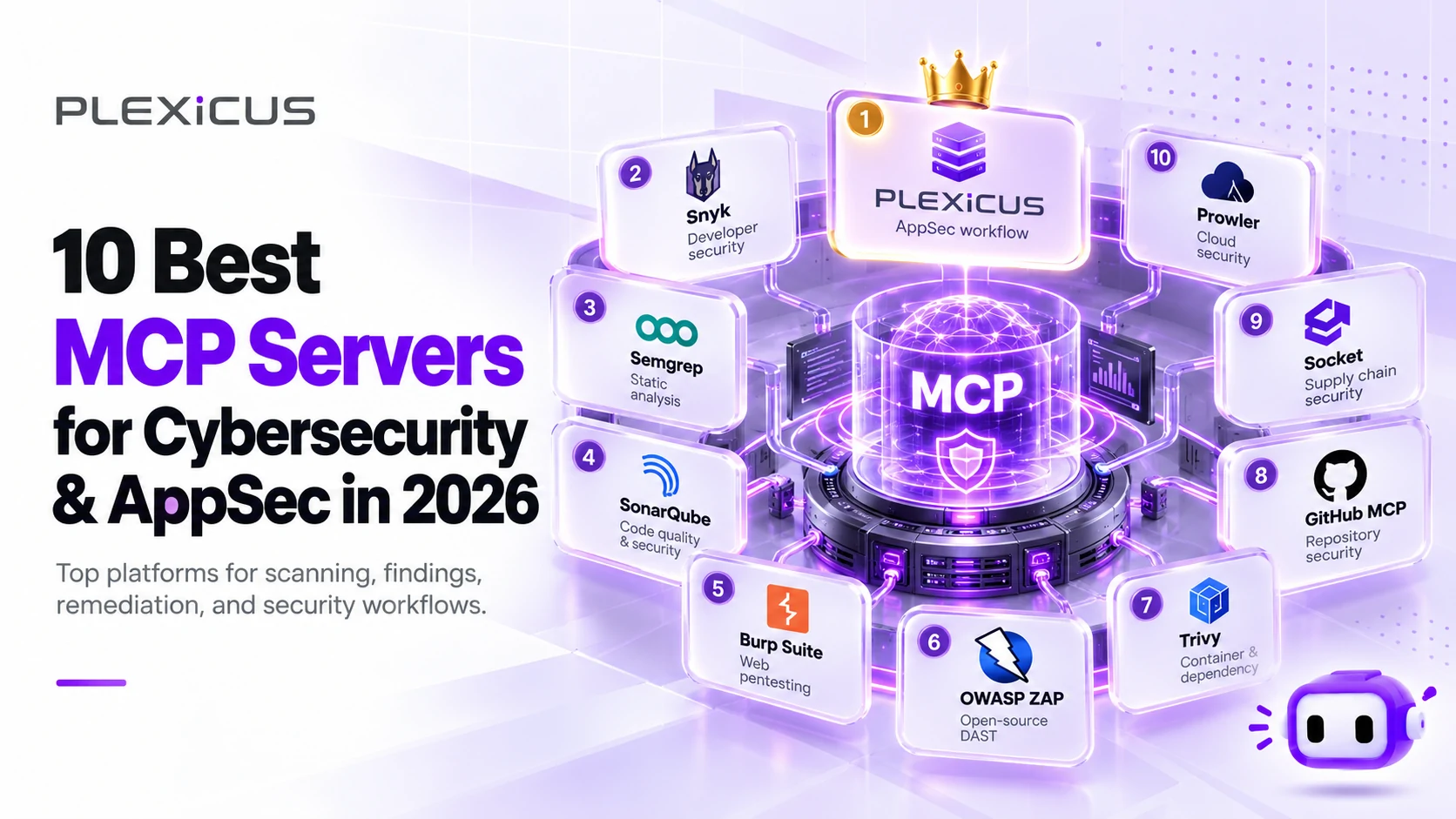
An editorial guide to security MCP integrations for AI-assisted development: repository findings, scanning, web testing, supply chain analysis, and cloud security.
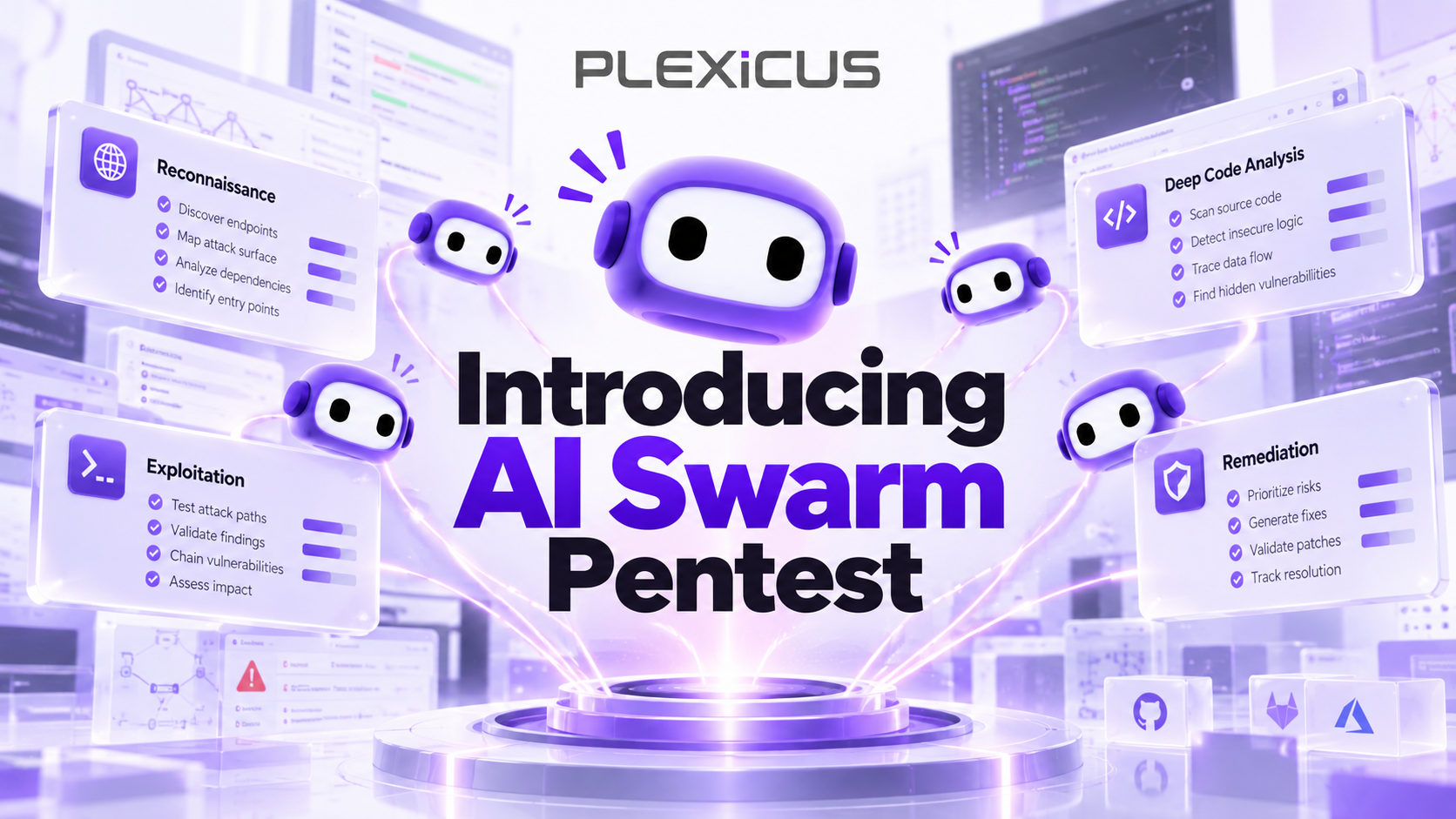
How specialized attack agents share context, challenge hypotheses, and independently verify attack paths inside the Plexicus Proof-Driven AppSec workflow.
A complete guide to application security in 2026, from secure design and software supply chains to testing, exploit validation, remediation, and Proof-Driven AppSec.
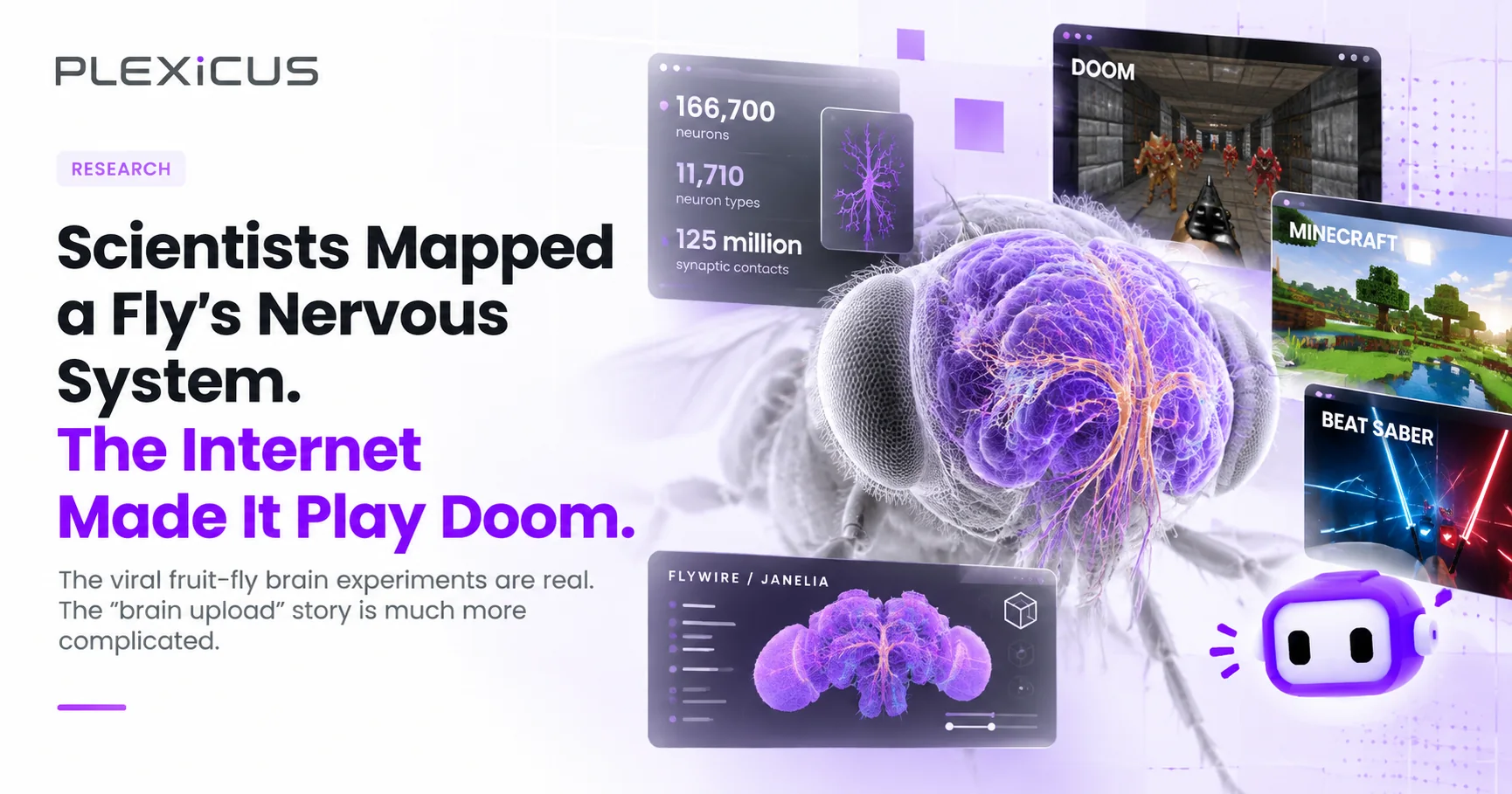
A fruit-fly connectome offers a vivid test of a security principle: a demo is not proof until controls show what the advertised system contributes.
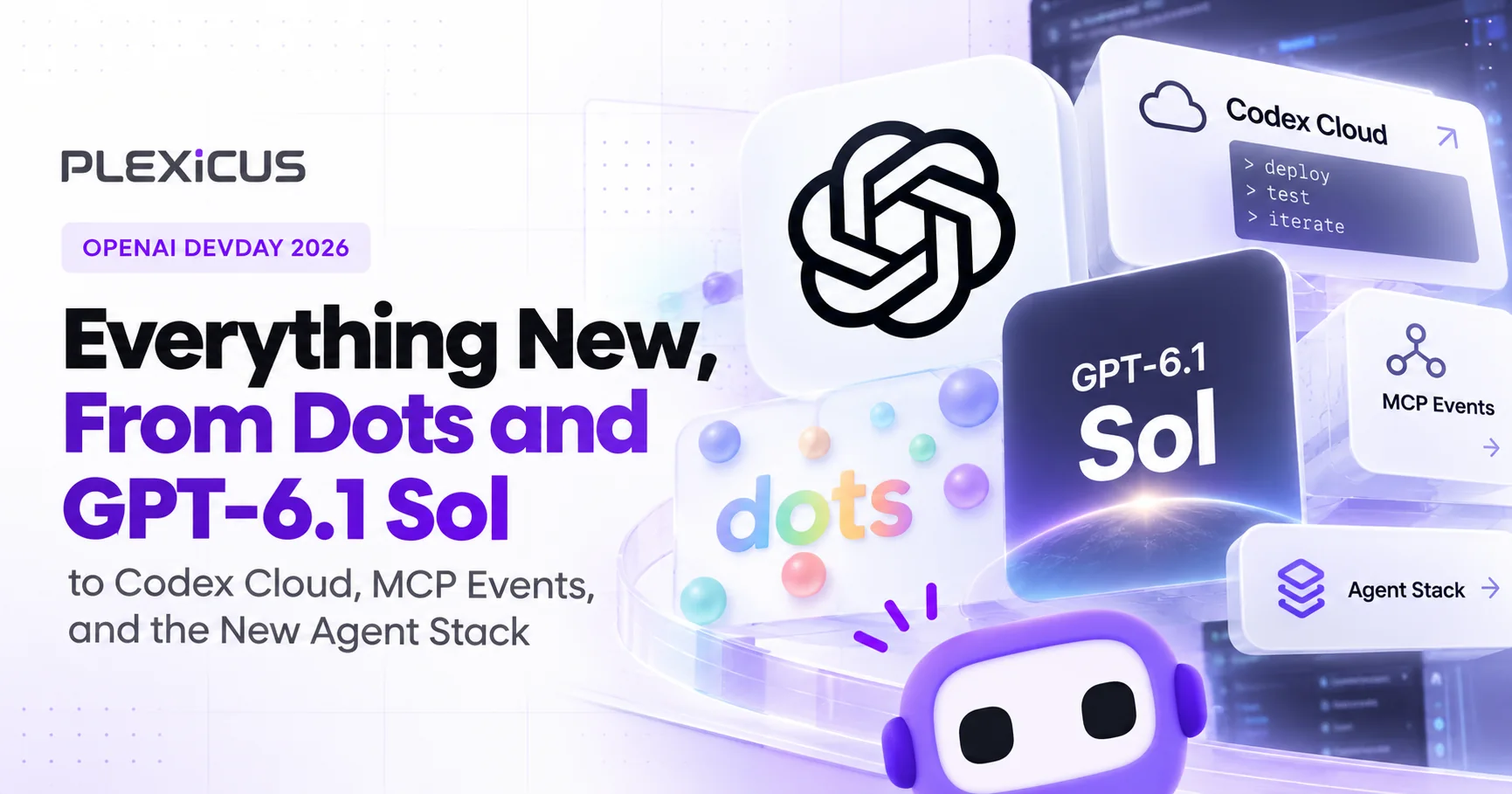
DevDay 2026 connected persistent agents, cloud coding, plugins, events, and shared work. Here is what shipped, what is still coming, and where AppSec boundaries lie.
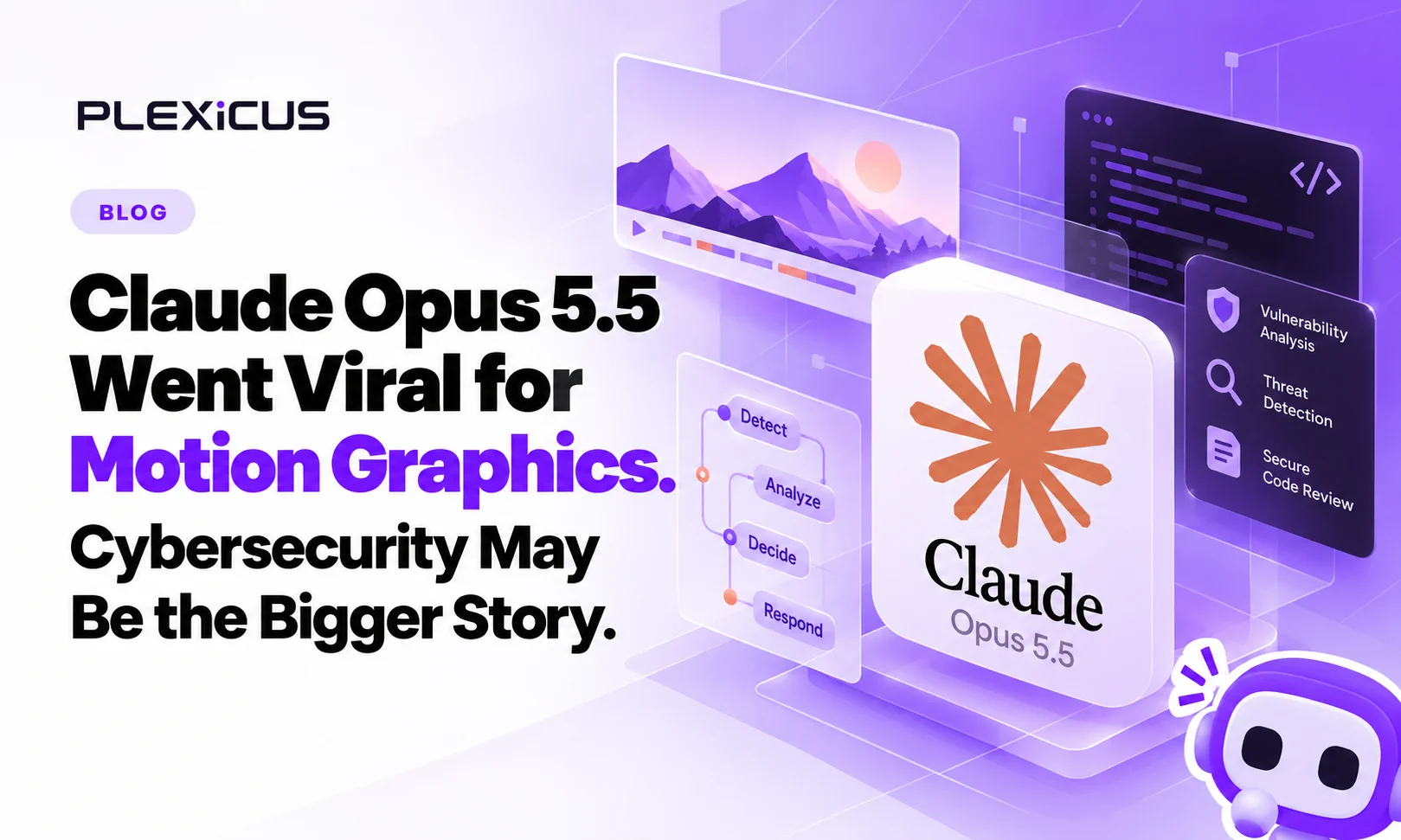
Opus 5.5 motion-graphics demos reveal an agentic loop: plan, write code, run it, inspect, revise. Claude cybersecurity now depends on verification keeping pace.
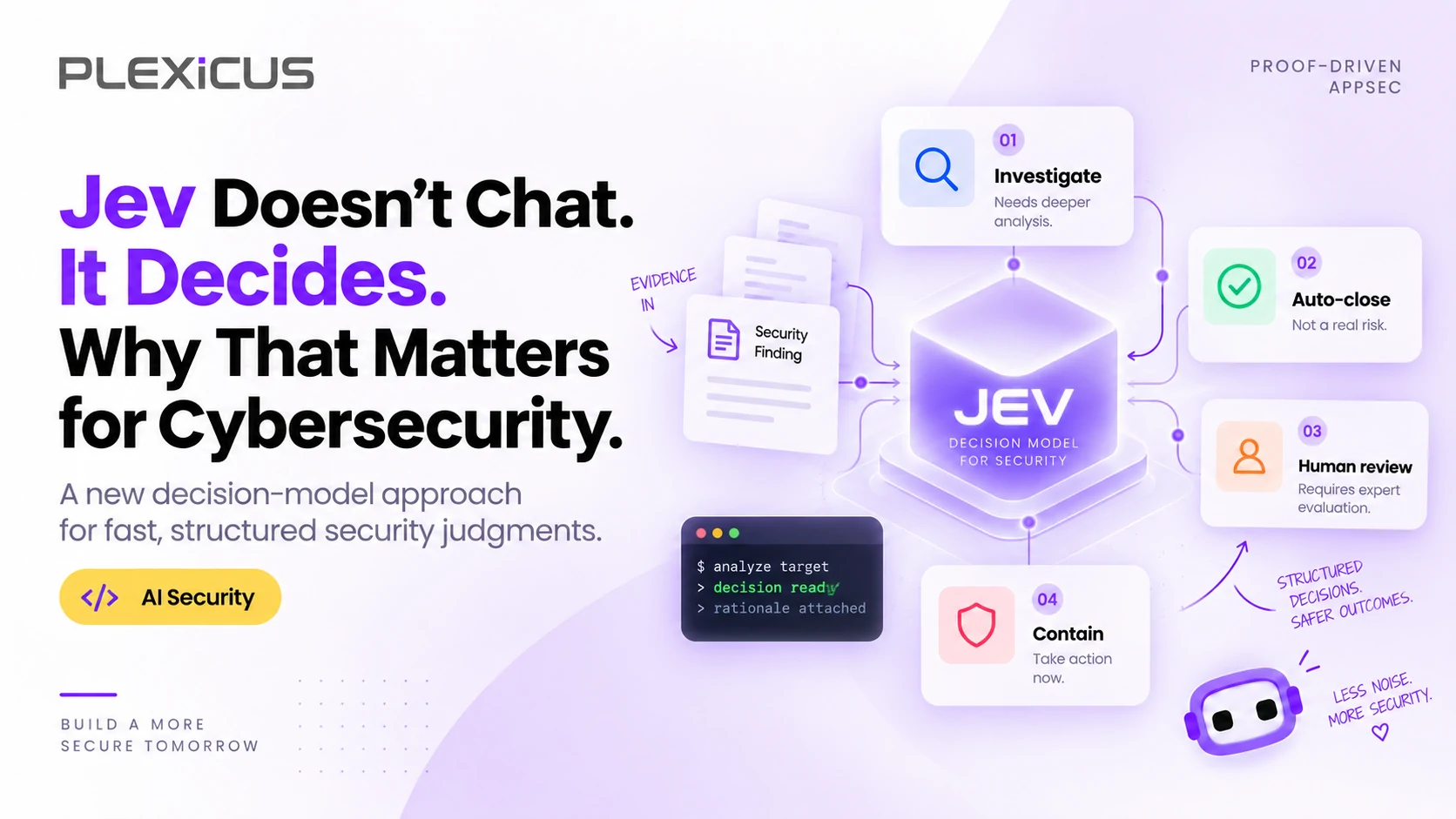
Jev AI returns typed decisions instead of prose. That could change where semantic judgment fits in security workflows, if teams keep policy, fallbacks, verification, and human review.
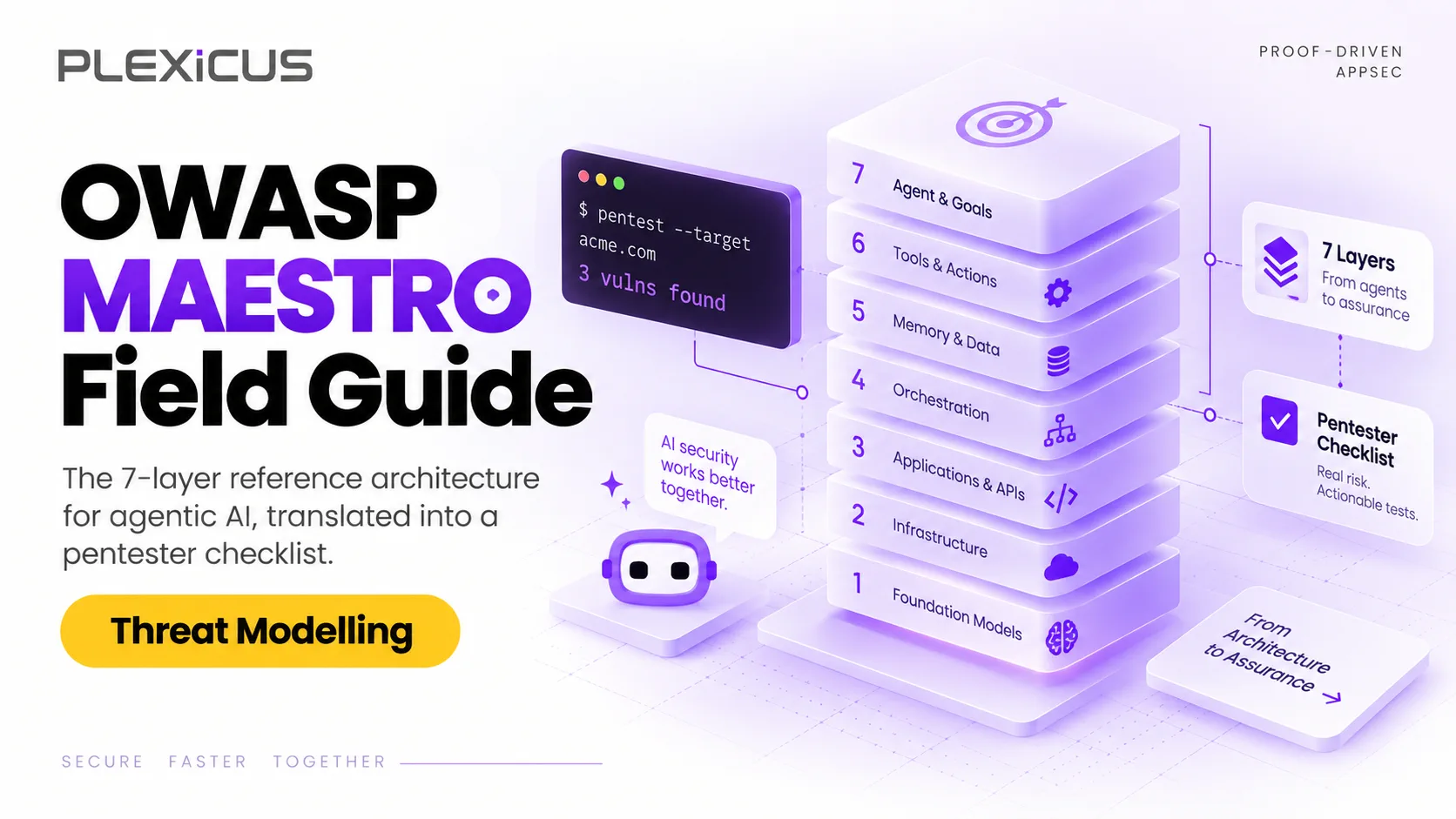
MAESTRO is the Cloud Security Alliance's 7-layer framework for agentic AI threat modeling, applied by the OWASP GenAI Security Project. This guide turns each layer into a pentest checklist.
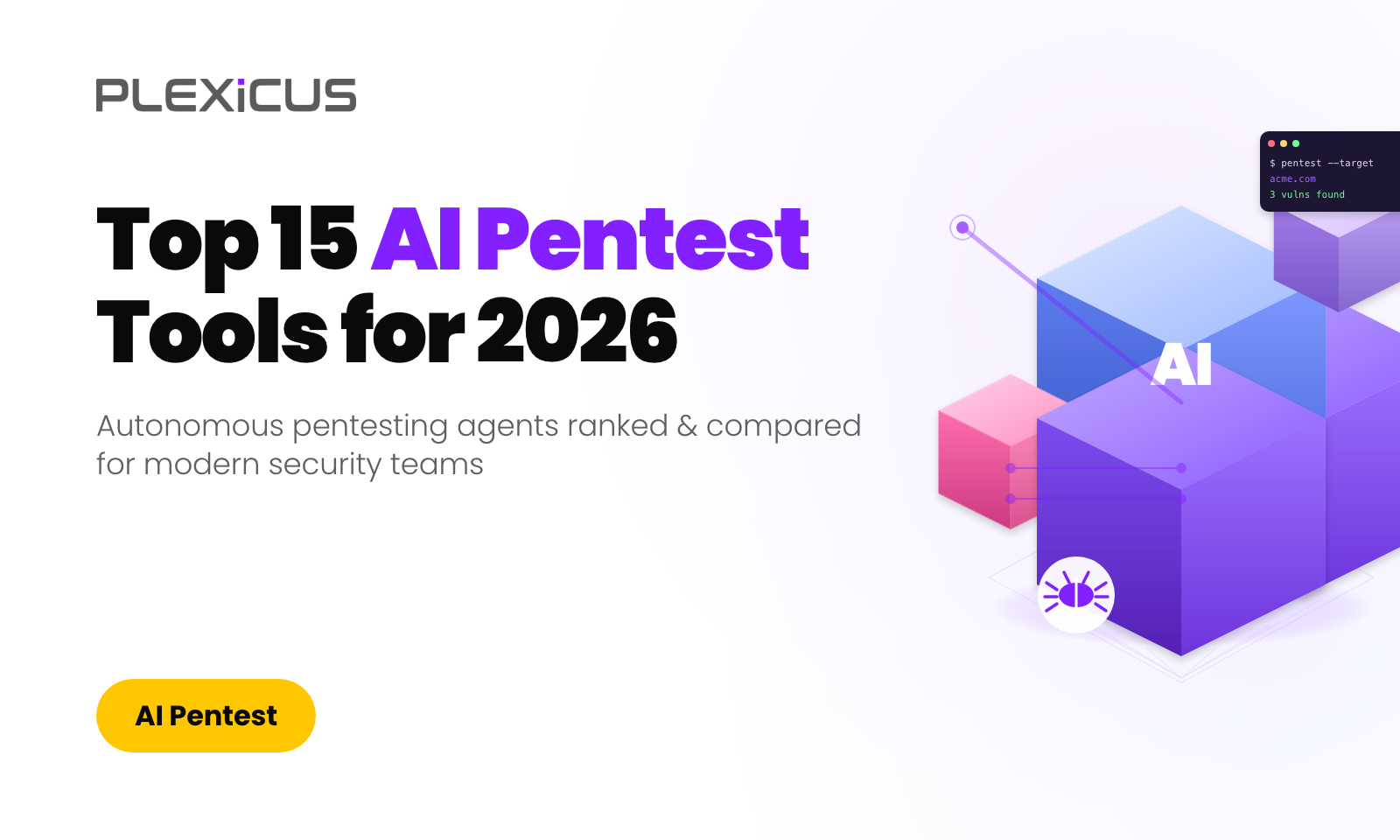
AI penetration testing in 2026 splits into three lanes: autonomous pentest agents, BAS platforms and AI-assisted PTaaS. We compared 15 tools on signed-scope evidence, replay and pricing.
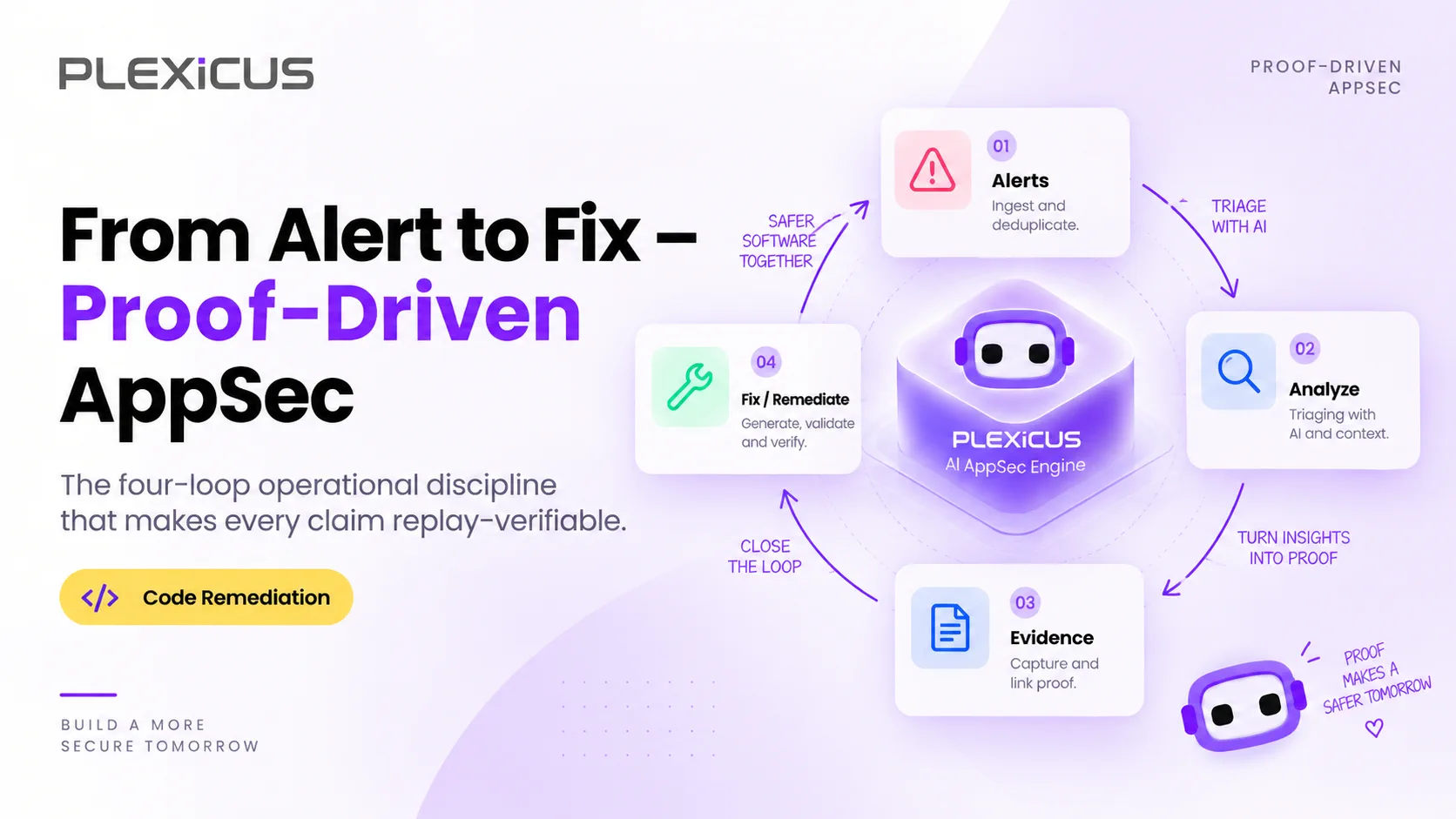
Proof-Driven AppSec is a vulnerability remediation process that closes the loop from alert to merged fix once, with replayable evidence at every step: detect, verify, fix, audit.
AI can remove repetitive AppSec work without removing accountability. Learn how to decide what to automate, what to augment, and when a security decision should be escalated to a person.
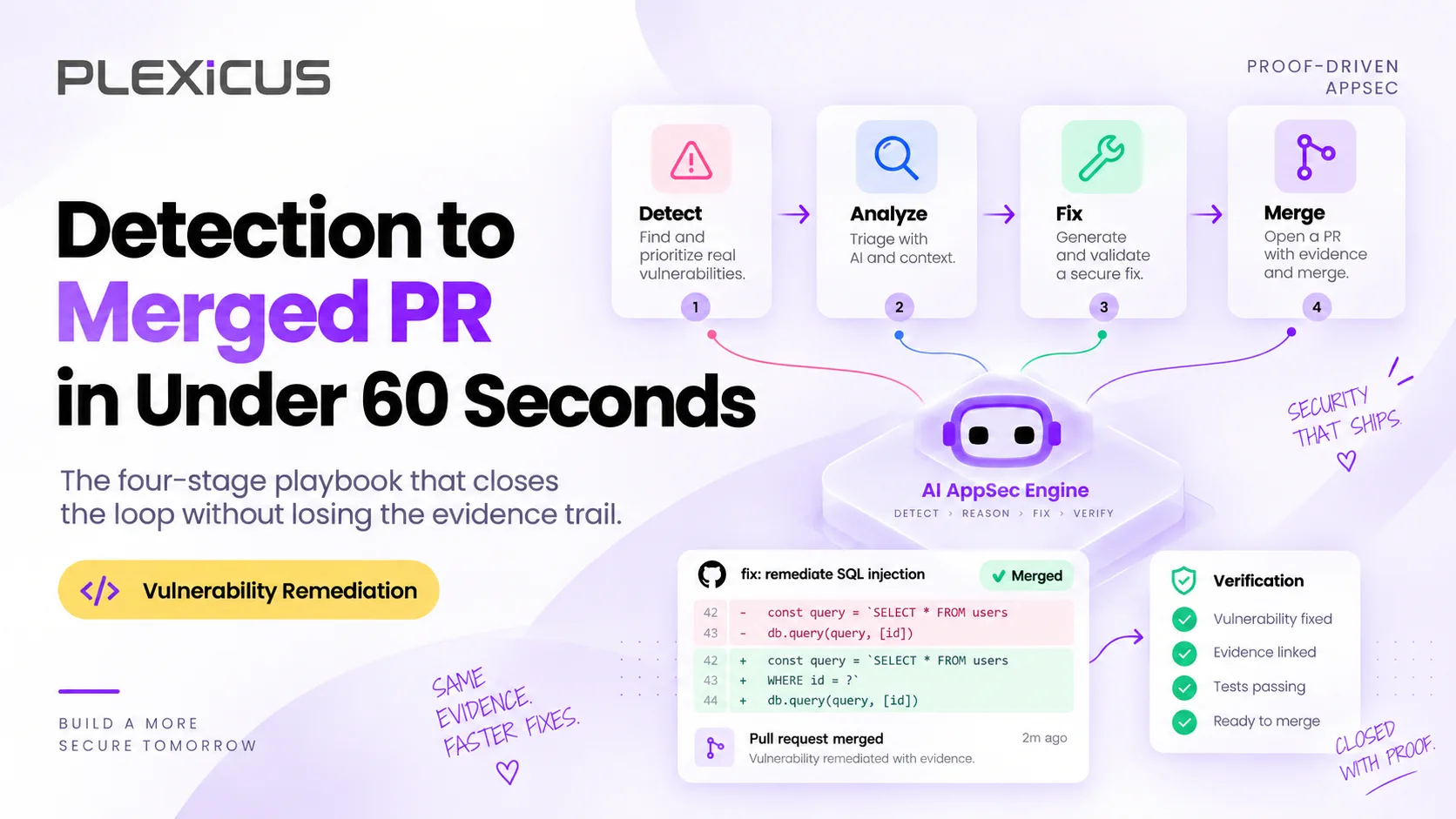
A four-step automated vulnerability remediation playbook that turns a verified finding into a tested, reviewer-ready PR in under 60 seconds, with the evidence attached.
Chạy `trivy image` không phải là DevSecOps—đó là tạo ra tiếng ồn. Kỹ thuật bảo mật thực sự là về tỷ lệ tín hiệu trên nhiễu. Hướng dẫn này cung cấp cấu hình đạt chuẩn sản xuất cho 17 công cụ tiêu chuẩn ngành để ngăn chặn lỗ hổng mà không làm gián đoạn kinh doanh, được tổ chức thành ba giai đoạn: trước khi cam kết, người gác cổng CI và quét thời gian chạy.
Cài đặt một công cụ bảo mật là phần dễ dàng. Phần khó bắt đầu vào 'Ngày 2,' khi công cụ đó báo cáo 5.000 lỗ hổng mới. Hướng dẫn này tập trung vào quản lý lỗ hổng: cách lọc các cảnh báo trùng lặp, quản lý các cảnh báo sai, và theo dõi các chỉ số thực sự đo lường thành công. Học cách chuyển từ 'tìm lỗi' sang 'sửa rủi ro' mà không làm quá tải đội ngũ của bạn.
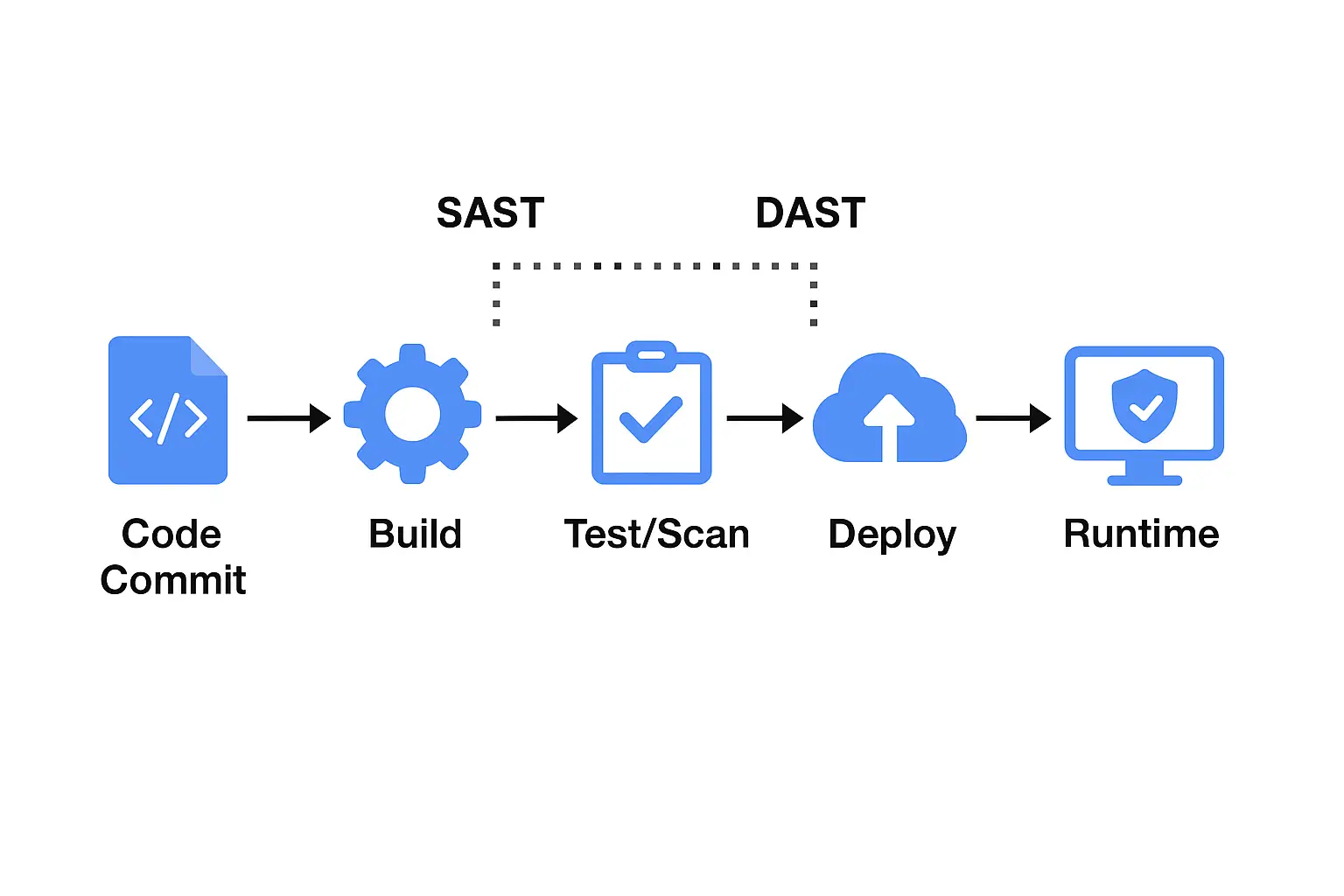
SAST và DAST là các phương pháp kiểm tra bảo mật được sử dụng để bảo vệ ứng dụng khỏi các cuộc tấn công. Để thấy cách mỗi phương pháp hỗ trợ bảo mật ứng dụng, hãy xem xét sự khác biệt của chúng và vị trí của chúng trong quy trình làm việc của bạn.
So sánh các công cụ ASPM hàng đầu như Plexicus, Cycode, Wiz và Apiiro để tự động hóa kiểm tra AppSec và quản lý lỗ hổng bảo mật
Khám phá các công cụ bảo mật API hàng đầu để phát hiện lỗ hổng, ngăn chặn các cuộc tấn công API và bảo vệ ứng dụng của bạn với việc quét và kiểm tra nâng cao.
Các ứng dụng hiện đại phụ thuộc rất nhiều vào thư viện bên thứ ba và mã nguồn mở. Điều này tăng tốc độ phát triển, nhưng cũng làm tăng nguy cơ bị tấn công. Mỗi phụ thuộc có thể giới thiệu các vấn đề như lỗ hổng bảo mật chưa được vá, giấy phép rủi ro hoặc gói lỗi thời. Các công cụ Phân tích Thành phần Phần mềm (SCA) giúp giải quyết những vấn đề này.
Có hàng tá công cụ SAST trên thị trường, từ mã nguồn mở đến cấp doanh nghiệp. Thách thức là: Công cụ SAST nào là tốt nhất cho nhóm của bạn?
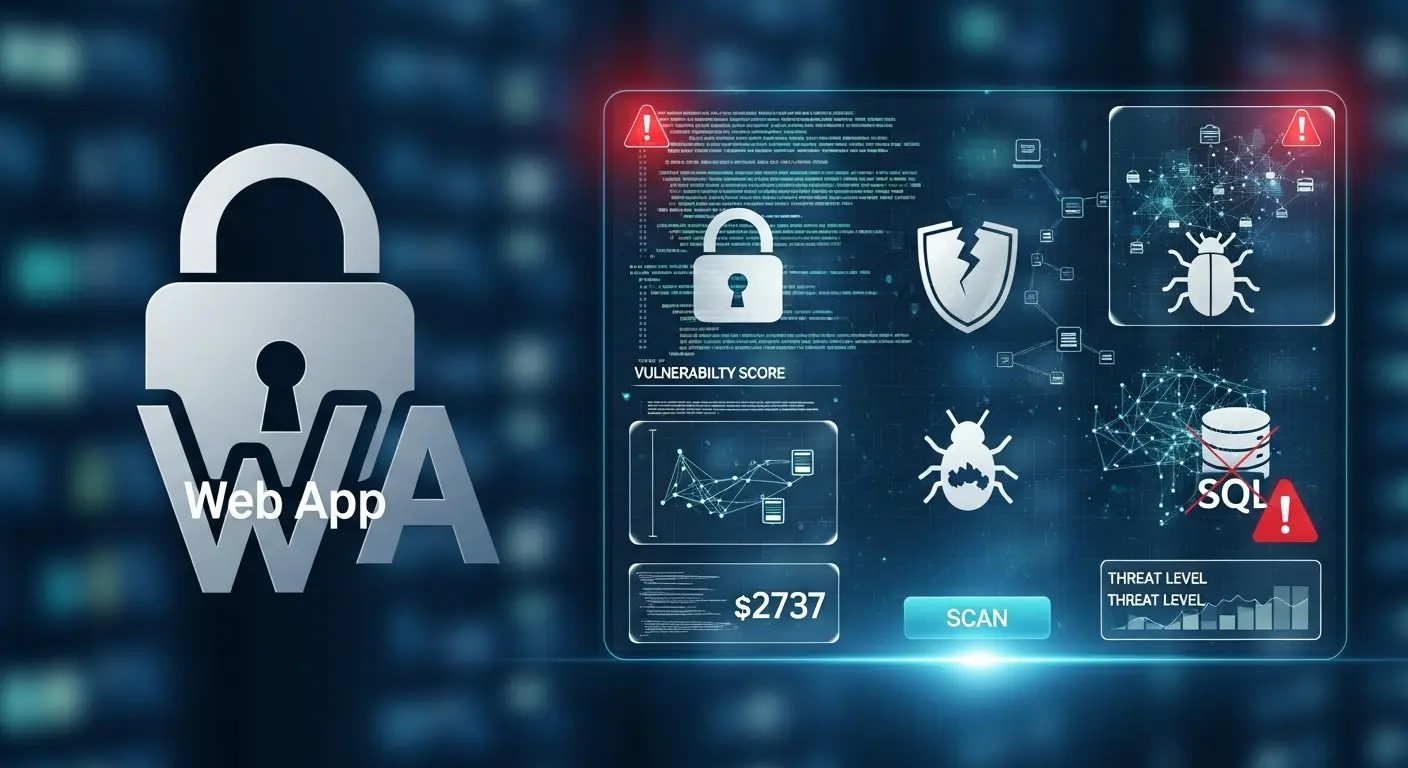
Bảo mật ứng dụng web là điều cần thiết để bảo vệ ứng dụng của bạn khỏi các cuộc tấn công mạng nhắm vào dữ liệu nhạy cảm và làm gián đoạn hoạt động. Hướng dẫn này bao gồm tầm quan trọng của bảo mật ứng dụng web, các lỗ hổng phổ biến, thực hành tốt nhất và phương pháp kiểm tra, giúp bạn bảo vệ ứng dụng của mình, đảm bảo tuân thủ và duy trì niềm tin của người dùng
Một vi phạm bảo mật ác mộng đã trở thành hiện thực đối với nhiều công ty Châu Âu. Tìm hiểu 15 xu hướng DevSecOps biến đổi mà bạn cần biết để tránh khỏi danh sách vi phạm.
Plexicus tốt nghiệp từ chương trình tăng tốc Startup Wise Guys Spring Batch 2025.
Nếu bạn đang xây dựng hoặc vận hành phần mềm ngày nay, bạn có thể đang xoay sở với các dịch vụ vi mô, chức năng không máy chủ, container, gói bên thứ ba và một loạt các hộp kiểm tuân thủ. Mỗi phần chuyển động tạo ra các phát hiện, bảng điều khiển và cảnh báo đỏ giận dữ của riêng nó. Chẳng bao lâu, khả năng nhìn thấy rủi ro cảm thấy như lái xe trong sương mù San Francisco lúc 2 giờ sáng - bạn biết nguy hiểm đang ở ngoài đó, nhưng bạn không thể nhìn thấy nó rõ ràng.
Plexicus đã nhận được khoản đầu tư 150.000 USD từ Microsoft để mở rộng hạ tầng đám mây. Khoản tài trợ này sẽ cải thiện hiệu suất hệ thống, khả năng mở rộng và độ tin cậy, cho phép Plexicus hỗ trợ nhiều doanh nghiệp hơn với các giải pháp doanh nghiệp được hỗ trợ bởi AI.
Khám phá cách tích hợp BlackDuck mới của Plexicus nâng cao bảo mật mã nguồn mở với việc phát hiện lỗ hổng theo thời gian thực, ưu tiên rủi ro tự động và quy trình làm việc DevSecOps liền mạch.
Plexicus ra mắt nền tảng bảo mật dựa trên AI để khắc phục lỗ hổng theo thời gian thực. Các tác nhân tự động phát hiện, ưu tiên và sửa chữa mối đe dọa ngay lập tức.
Một sự hợp tác mới giữa Plexicus và Céfiros sẽ nâng cao an ninh ứng dụng trên 19 quốc gia ở Latam và Iberia. Sự hợp tác an ninh mạng này mang đến các giải pháp Quản lý Tư thế An ninh Ứng dụng (ASPM) tiên tiến cho các tổ chức đang tìm cách phòng thủ chủ động chống lại các mối đe dọa mạng.
Các khung như DORA, ISO 27001 và NIST SP 800-53 là cần thiết cho Quản lý Tư thế An ninh Ứng dụng mạnh mẽ, giúp các tổ chức đáp ứng tiêu chuẩn, giảm rủi ro và duy trì tuân thủ quy định.
Plexicus is Proof-Driven AppSec: validated findings, contextual understanding, and reviewed remediation — anchored in evidence, scoped with you.