Top 10 Aikido Security Alternatives for 2026: From Reducing Noise to Automated Fixes
Aikido Security became popular by cutting down on unnecessary alerts. By focusing on reachability, it helped developers avoid the “vulnerability spam” that older scanners created. But in 2026, simply knowing which bugs are reachable is no longer enough.
Now that AI agents create over 41% of enterprise code and researchers have found more than256 billion lines of AI-generated code, the challenge has changed. The question is no longer “Which bug should I fix?” but “How can I fix them all?”
This guide reviews the top Aikido alternatives for 2026 that prioritize not just noise reduction, but automated remediation and full Code to Cloud coverage.
At a Glance: Top 10 Aikido Alternatives for 2026
| Platform | Best For | Core Differentiator | Fix Automation | Pricing Model |
|---|---|---|---|---|
| Plexicus | Autonomous Fixing | Codex Remedium AI Agents | Full (AI PRs) | Per Developer |
| Snyk | Developer Trust | DeepCode AI real-time engine | Partial (Updates) | Per Developer |
| Jit | Security Orchestration | Simplified toolchain wrapper | Guided | Per Developer |
| Cycode | Supply Chain | Hardened code integrity | Manual/Guided | Per Developer |
| Apiiro | Risk Prioritization | Deep contextual graph | Manual | Enterprise |
| Ox Security | Active ASPM | Pipeline-wide VibeSec engine | Guided | Per Workload |
| Wiz | Cloud Visibility | Industry-leading Security Graph | Manual | Per Workload |
| GitHub AS | In-Repo Security | Native foundational checks | Partial | Per Committer |
| SonarQube | Code Quality | Deep static analysis (SAST) | Manual | Per Project |
| ArmorCode | Large Orgs | Multi-tool data aggregation | Manual | Enterprise |
Why Listen to Us?
At Plexicus, we believe the era of “Detection Only” security is over. In 2026, developers do not need another dashboard. They need a partner that fixes security issues… We focus on Product Led Security, ensuring that security is a frictionless byproduct of the development process, not a hurdle.
1. Plexicus (The Remediation Leader)
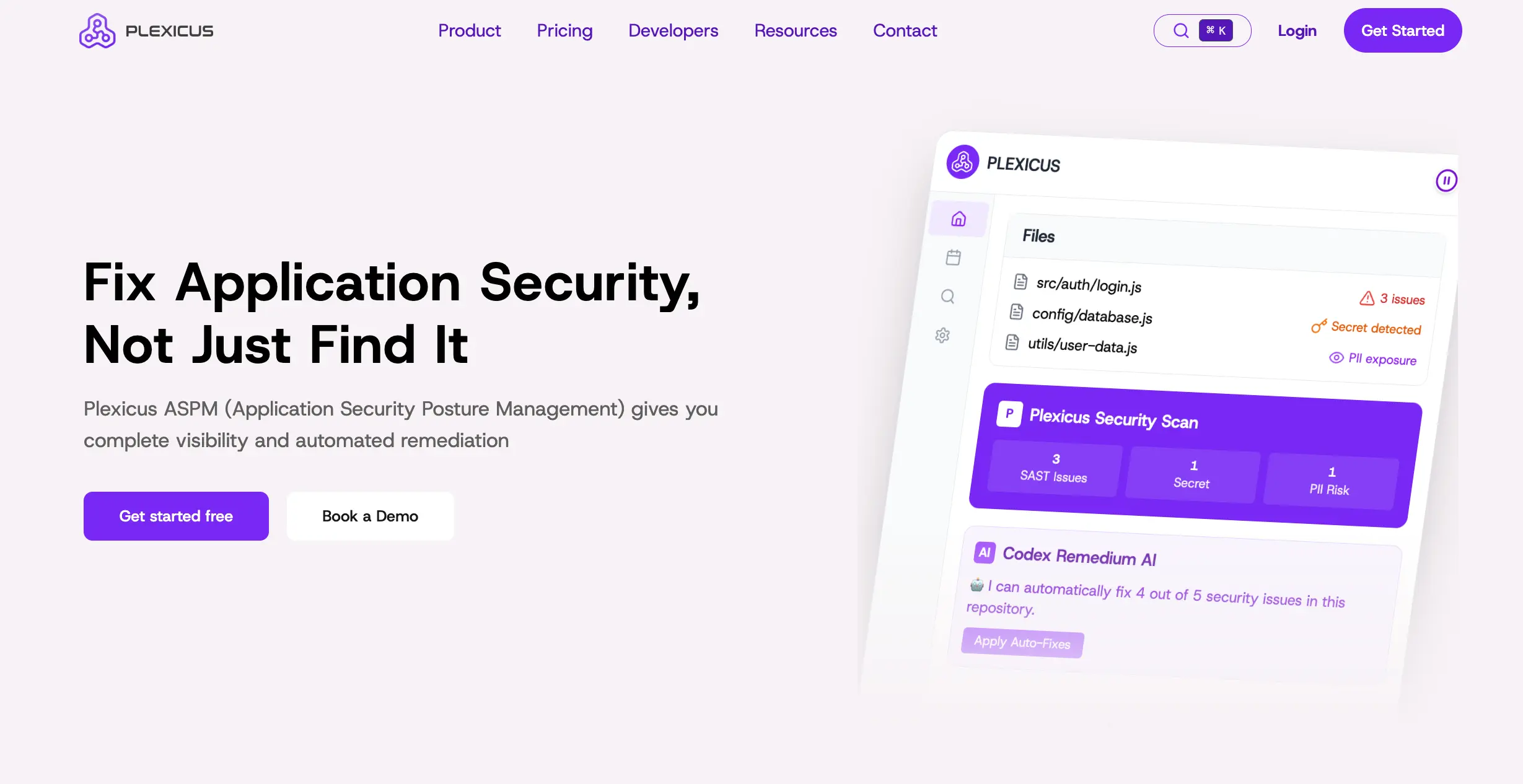
Plexicus is the natural evolution for teams that love Aikido’s low noise but hate the manual effort of fixing tickets. While Aikido filters the noise, Plexicus handles the work.
- Key Features: Codex Remedium is an autonomous AI agent that analyzes a vulnerability, understands the local codebase, and submits a functional, tested Pull Request.
- Pros: Reduces MTTR by 95%. It combines ASPM and CSPM into a single AI-driven workflow.
- Cons: The AI agents require initial configuration to match specific enterprise styling.
- Why Choose It: If your engineering team is drowning in a backlog of reachable vulnerabilities that no one has time to fix.
- 2026 Pricing: Transparent $49.90/developer/month.
2. Snyk
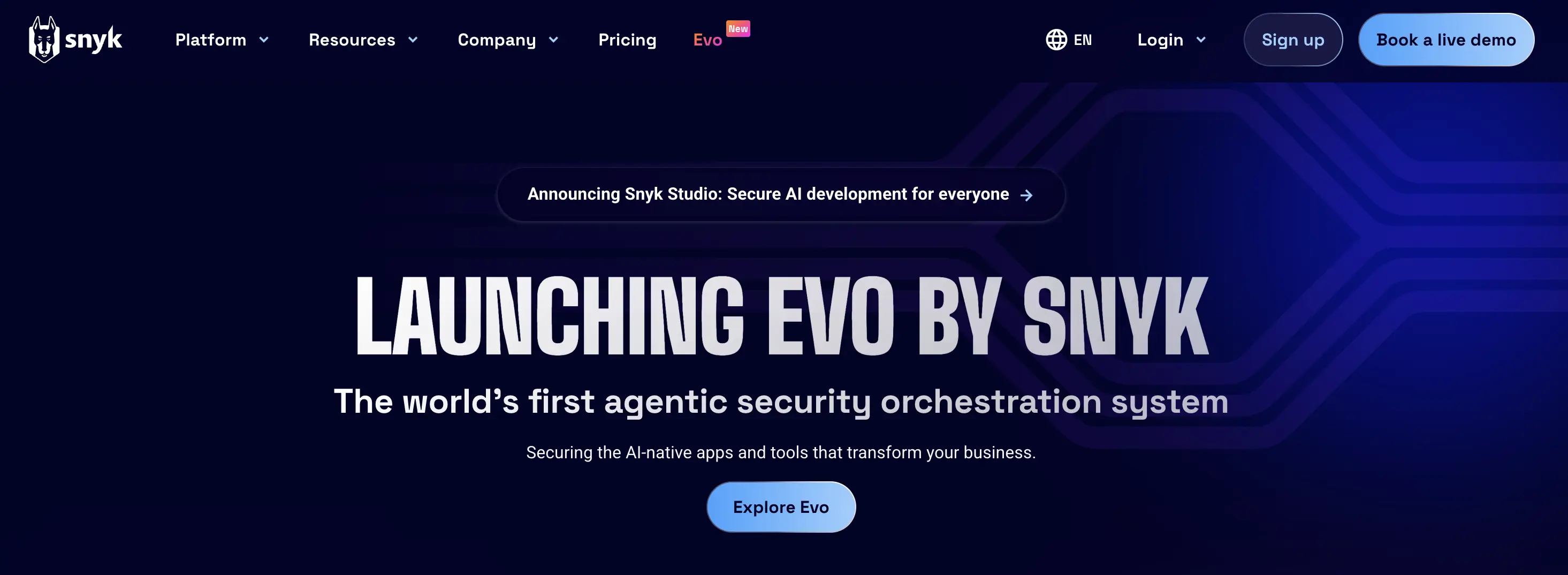
Snyk is Aikido’s most formidable rival in the developer-first space. By 2026, Snyk has fully integrated DeepCode AI to provide near-instant feedback in the IDE.
- Key Features: Snyk Code (SAST) and Snyk Open Source (SCA) with automated fix suggestions.
- Pros: The largest vulnerability database in the industry. It is a very high trust among developers.
- Cons: Can become significantly more expensive than Aikido as you add cloud and container modules.
- Why Choose It: If you want a tool with the best IDE integration and massive community support.
- 2026 Pricing: Free tier available. Paid starts at $25/dev/month.
3. Jit (Just In Time Security)
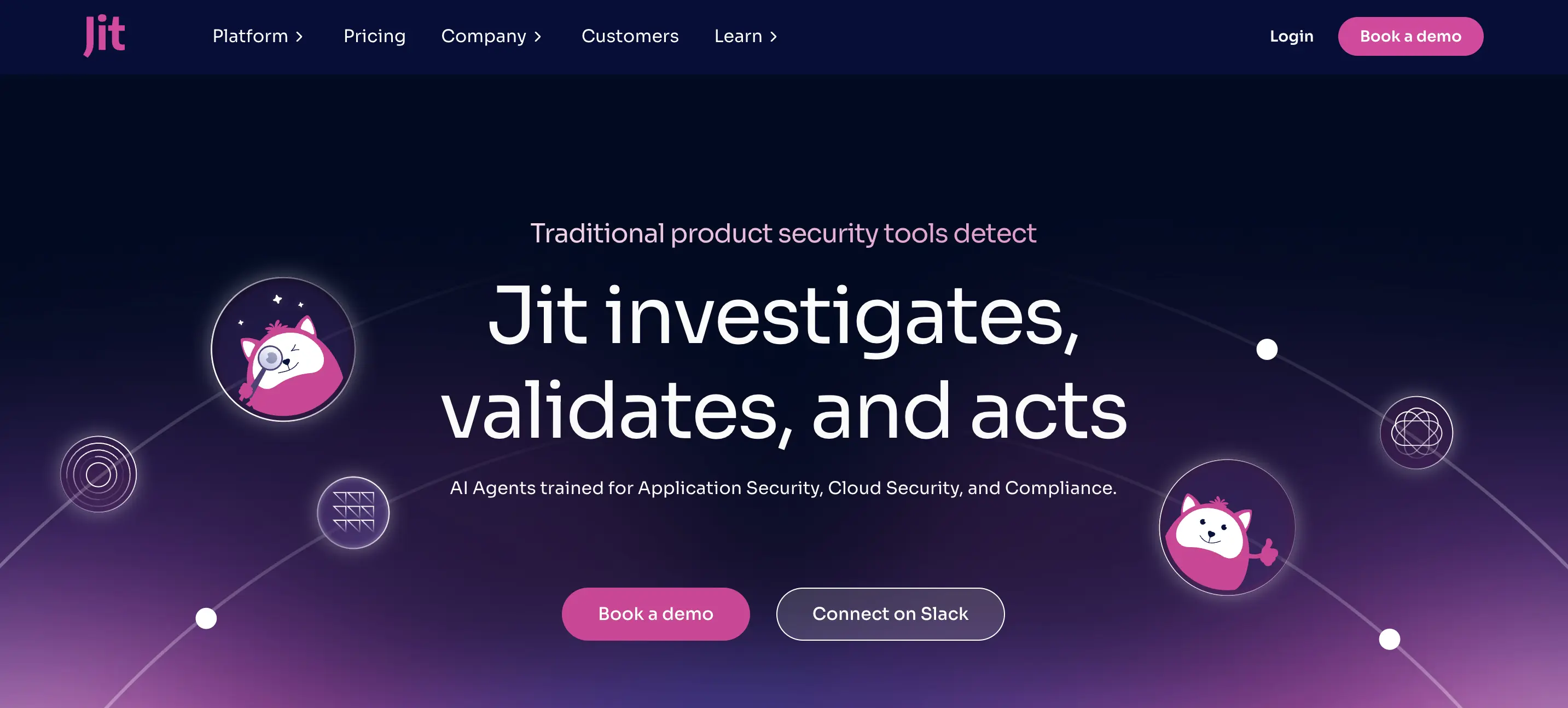
Jit focuses on the “Minimum Viable Security” stack. It orchestrates various open source and commercial tools so you do not have to manage them individually.
- Key Features: One-click activation of SAST, SCA, Secrets, and IaC across your entire GitHub org.
- Pros: Extremely fast onboarding. It feels like a security in a box solution.
- Cons: Because it wraps other tools, you may occasionally hit the limitations of the underlying scanners.
- Why Choose It: For lean teams that want to go from zero to fully compliant in an afternoon.
- 2026 Pricing: $50/month Per developer pricing. Billed annually
4. Cycode
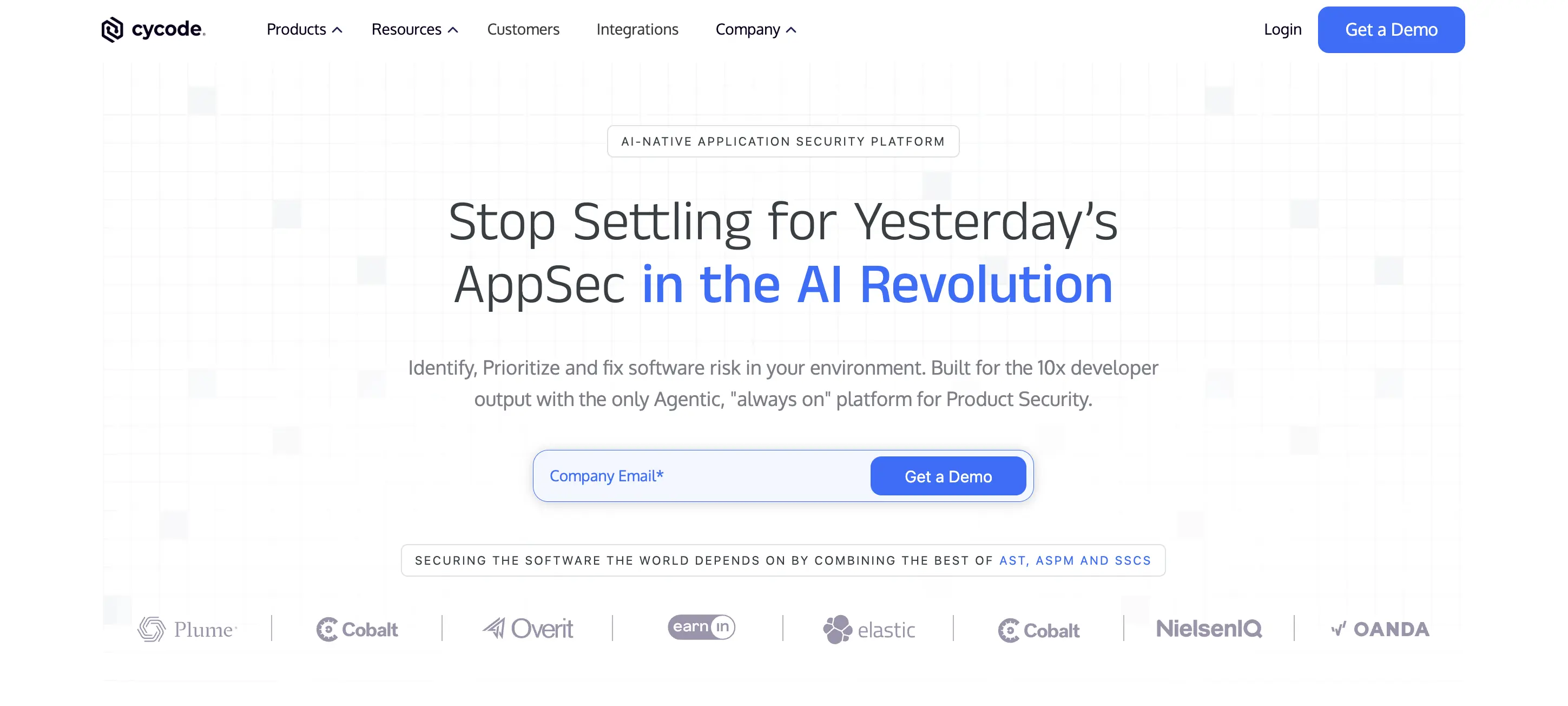
As supply chain attacks have surged in 2026, Cycode has become essential for protecting the integrity of code.
- Key Features: Hardened secret scanning and protection against code tampering across the SDLC.
- Pros: Strongest protection for the software supply chain.
- Cons: UI can be complex for teams only looking for simple vulnerability scanning.
- Why Choose It: If your primary concern is preventing leaked secrets or unauthorized code changes.
5. Apiiro
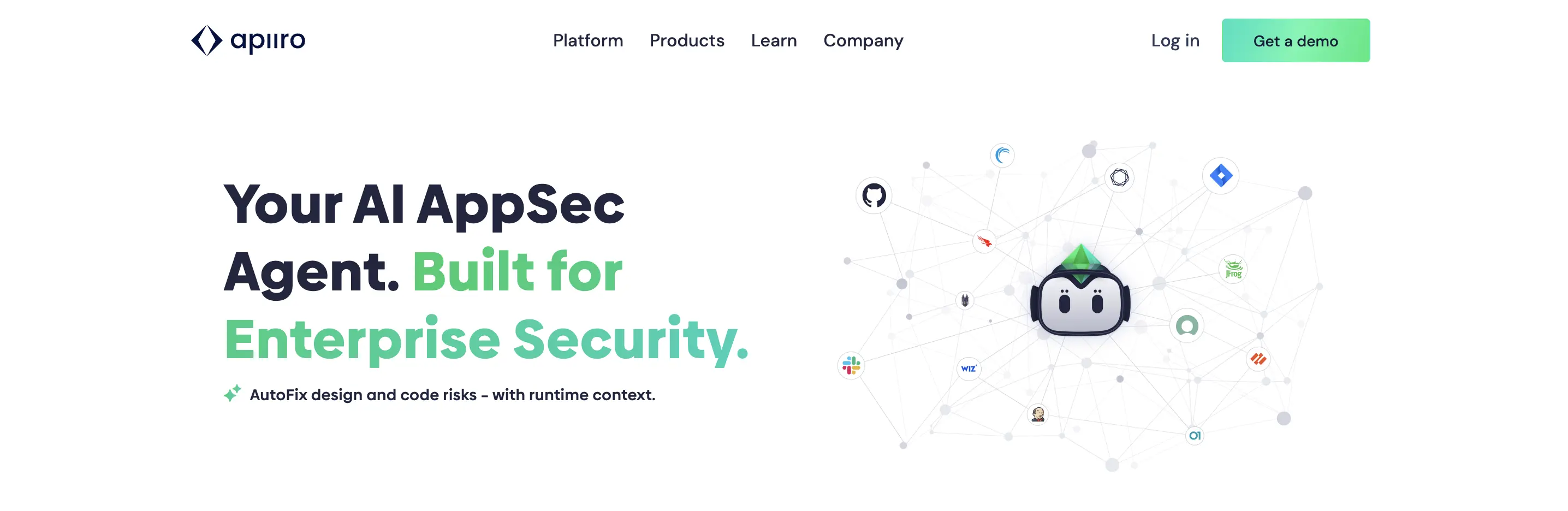
Apiiro is the “brain” of the operation. It builds a multi dimensional graph of your code, developers, and infrastructure to find the highest risk areas.
- Key Features: Contextual risk scoring that understands when a junior developer is changing crown jewel code.
- Pros: Incredible prioritization for large, complex codebases.
- Cons: Enterprise heavy. It is overkill for small startups.
- Why Choose It: Best for large organizations that need to manage risk across thousands of repositories.
6. Ox Security
Ox Security introduced the “Active ASPM” category. Their 2026 VibeSec engine ensures that security checks align with the speed of modern code production.
- Key Features: End-to-end visibility from the developer’s laptop to the production cloud container.
- Pros: Excellent at mapping the entire software supply chain.
- Cons: Pricing is workload-based, which can scale rapidly.
7. Wiz
Wiz is the titan of cloud security. While Aikido started in code and moved to the cloud, Wiz started in the cloud and moved to code.
- Key Features: The Security Graph, which visualizes how a code vulnerability could lead to a massive data breach.
- Pros: Best in class cloud posture (CSPM).
- Cons: Still feels like a security team tool rather than a developer tool.
8. GitHub Advanced Security
For teams already on GitHub Enterprise, GHAS is the default choice. It is built directly into the UI you use every day.
- Key Features: CodeQL for deep semantic analysis and Dependabot for automated upgrades.
- Pros: Zero setup required. It is already where your code lives.
- Cons: Can be expensive for what it offers compared to specialized tools like Plexicus or Aikido.
9. SonarQube
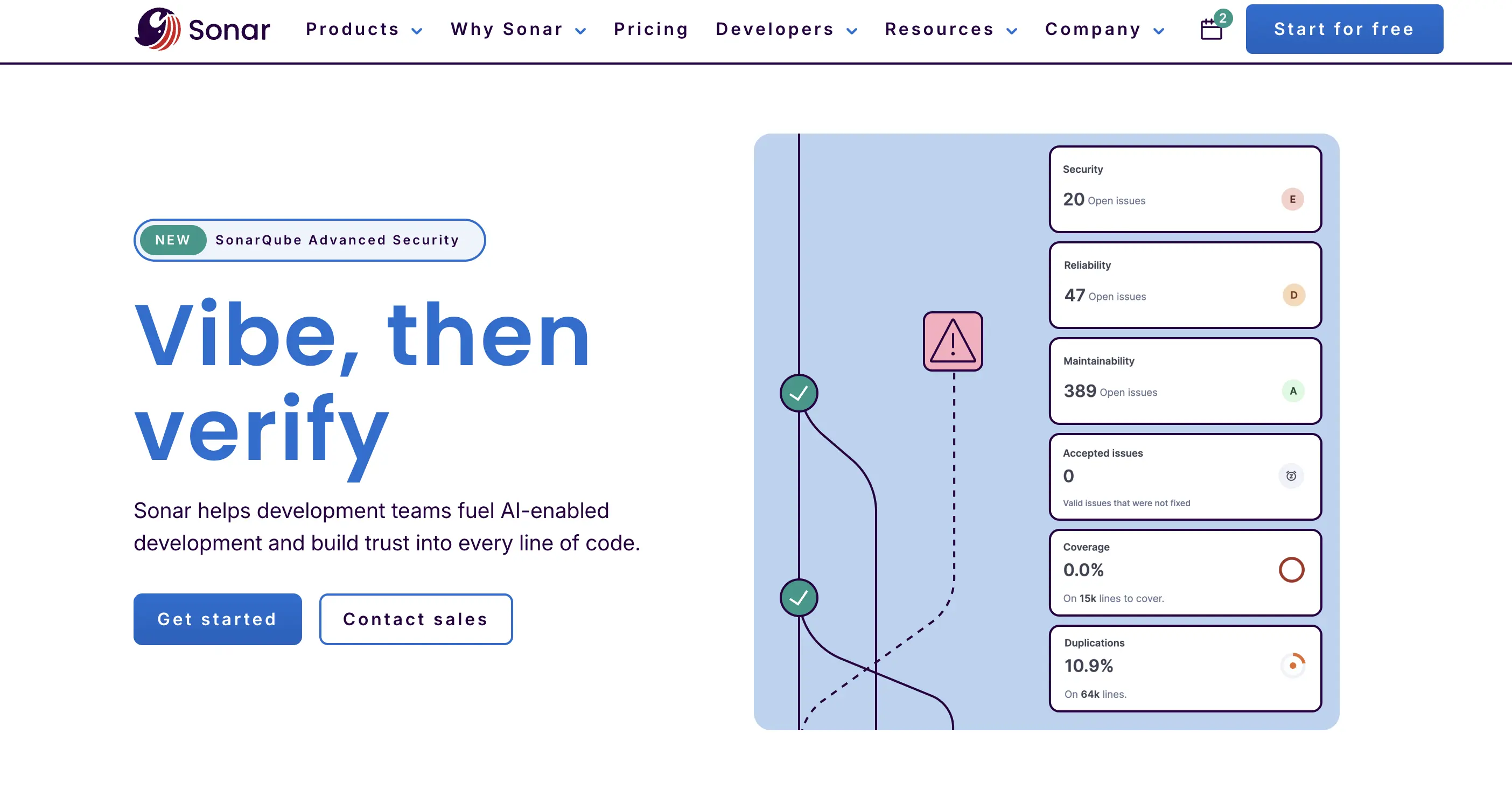
SonarQube is the legacy king of code quality. In 2026, it remains the standard for teams that care as much about clean code as they do about secure code.
- Key Features: Deep static analysis across 30+ programming languages.
- Pros: Very mature. It catches code smells that security tools might miss.
- Cons: Slow scan times compared to modern, lightweight alternatives.
10. ArmorCode
ArmorCode is an aggregator. It does not scan the code itself. Instead, it pulls data from all your other tools into one place.
- Key Features: Unified vulnerability management and automated ticketing workflows.
- Pros: Perfect for enterprises with tool sprawl.
- Cons: You still have to pay for and manage the individual scanning tools.
FAQ: Frequently Asked Questions
Why look for an Aikido alternative in 2026?
While Aikido is excellent for noise reduction, many teams are now looking for Remediation. Detection is only half the battle. Tools like Plexicus take the next step by actually writing the code to fix the issues.
Does Plexicus offer reachability analysis like Aikido?
Yes. Plexicus uses reachability to prioritize which AI-generated fixes to present first. We ensure that your developers only spend time reviewing fixes for code that is actually exposed.
How do I handle the 256 billion lines of AI code being written?
Traditional manual triage is dead. You need a platform that uses AI to fight AI. By using Plexicus Codex Remedium, your security response can finally match the speed of your AI-powered development team.
Can I migrate from Aikido easily?
Most modern ASPM tools like Plexicus connect via OIDC or GitHub Apps. This means you can run them in parallel with Aikido for a week to compare the Fix Rate before making a switch.
Final Thought
If you are tired of a dashboard that just tells you what is wrong, it is time to switch to a tool that fixes it. AI is writing your code. Let AI fix your security.