Dependabot Can Update AI Agent Skills. Who Reviews What Changed?
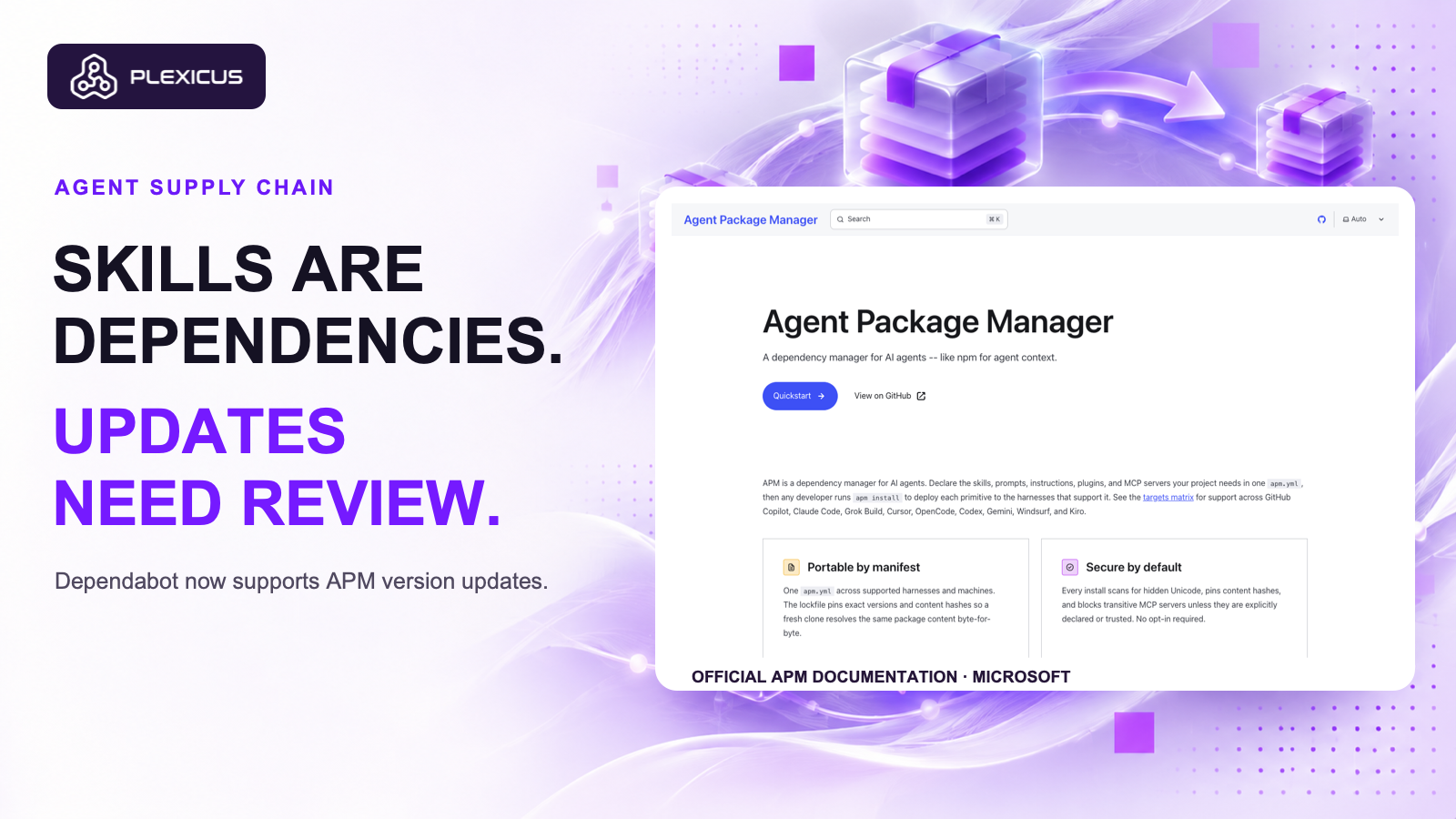
Dependabot can propose version updates for agent dependencies. The change puts skills and instructions into an existing review workflow.
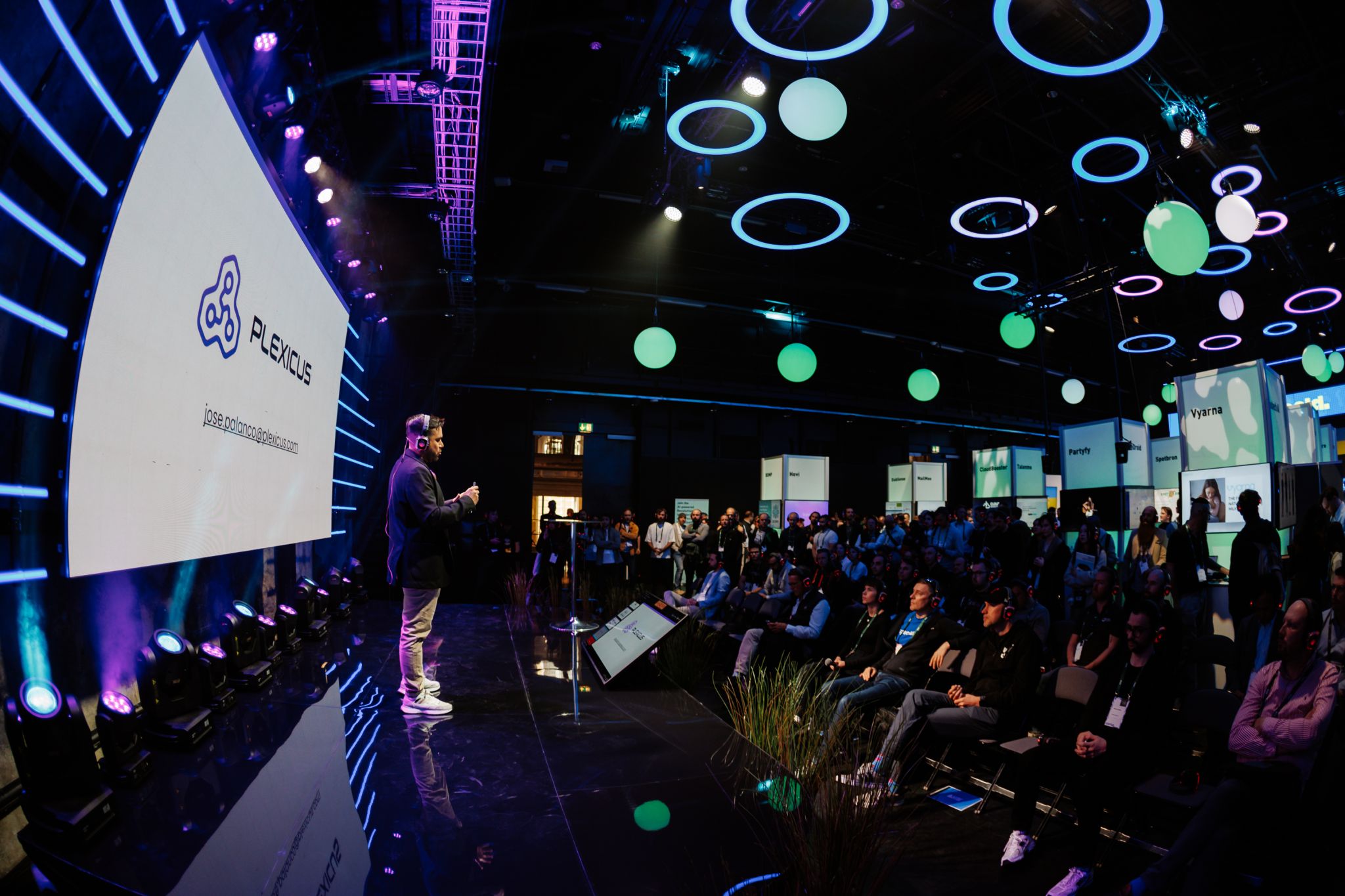
José Ramón Palanco is the CEO/CTO of Plexicus, a pioneering company in ASPM (Application Security Posture Management) launched in 2024, offering AI-powered remediation capabilities. Previously, he founded Dinoflux in 2014, a Threat Intelligence startup that was acquired by Telefonica, and has been working with 11paths since 2018. His experience includes roles at Ericsson`s R&D department and Optenet (Allot). He holds a Telecommunications Engineering degree from the University of Alcala de Henares and a Master`s in IT Governance from the University of Deusto. As a recognized cybersecurity expert, he has been a speaker at various prestigious conferences including OWASP, ROOTEDCON, ROOTCON, MALCON, and FAQin. His contributions to the cybersecurity field include multiple CVE publications and the development of various open source tools such as nmap-scada, ProtocolDetector, escan, pma, EKanalyzer, SCADA IDS, and more.
Dependabot can propose version updates for agent dependencies. The change puts skills and instructions into an existing review workflow.
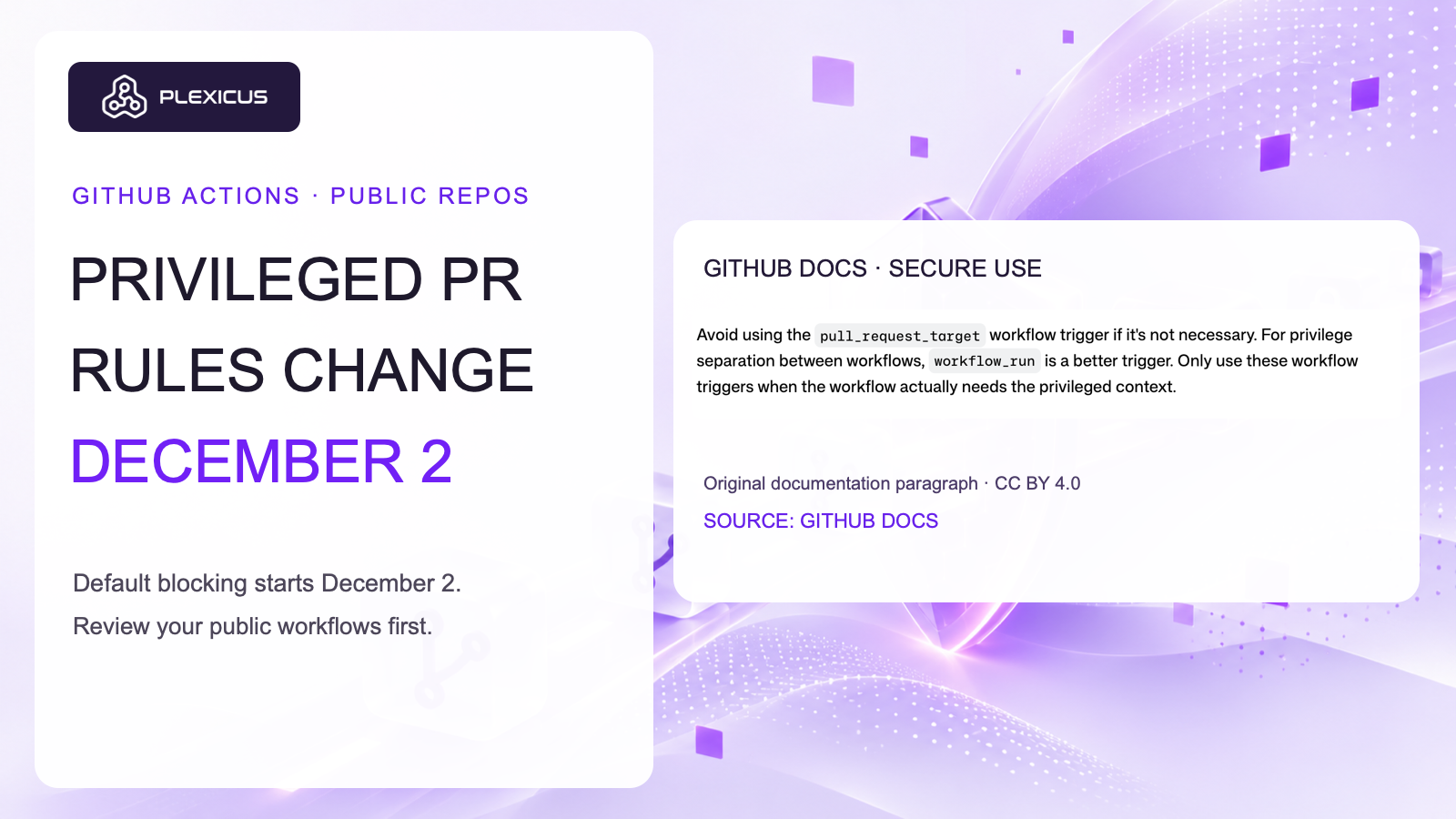
A GitHub Actions policy change puts privileged pull request workflows under scrutiny. Here is what maintainers can do before enforcement.
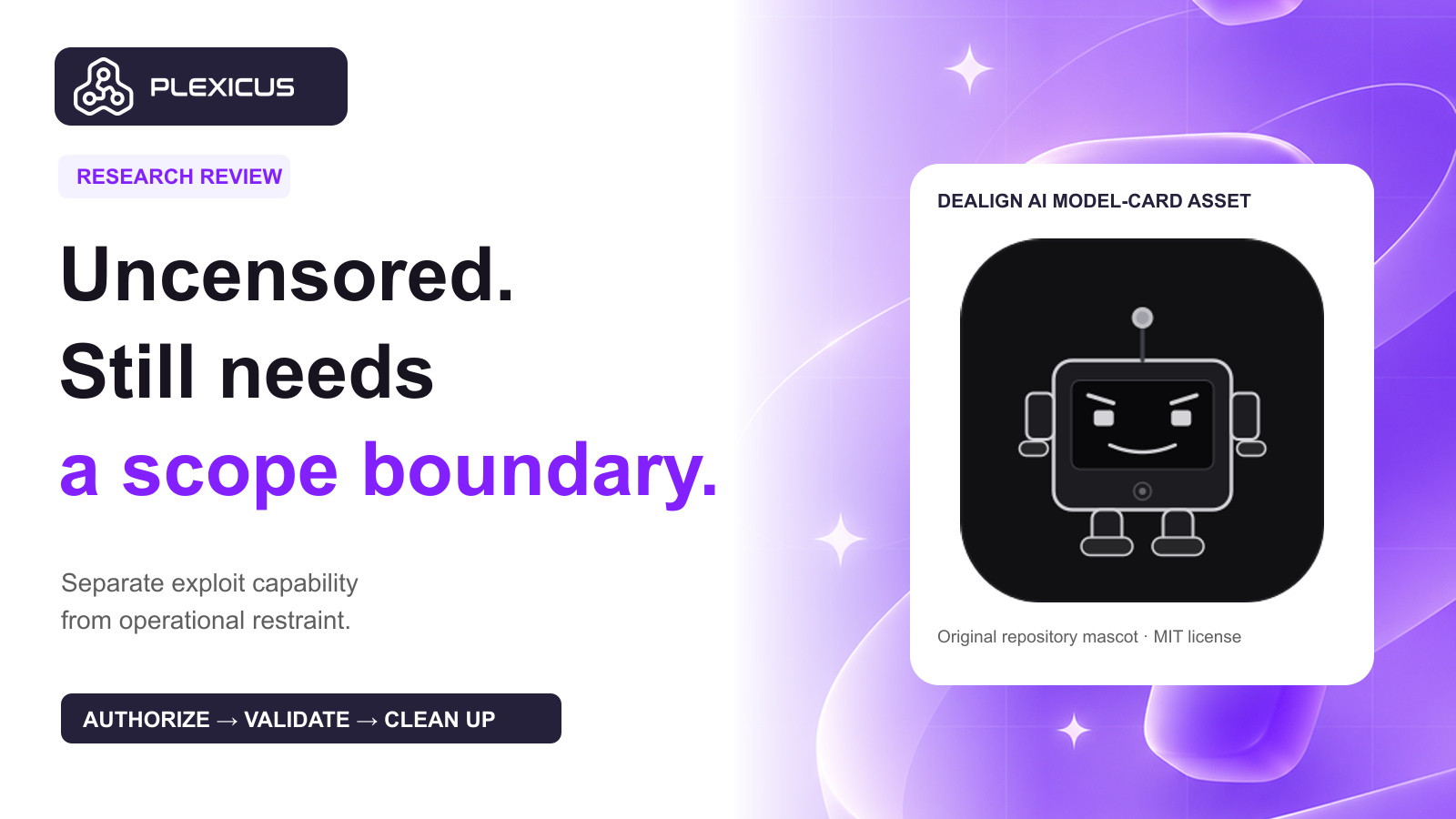
An internal DeepSeek evaluation separates exploit capability from operational restraint. Define scope, evidence and cleanup before autonomous testing.
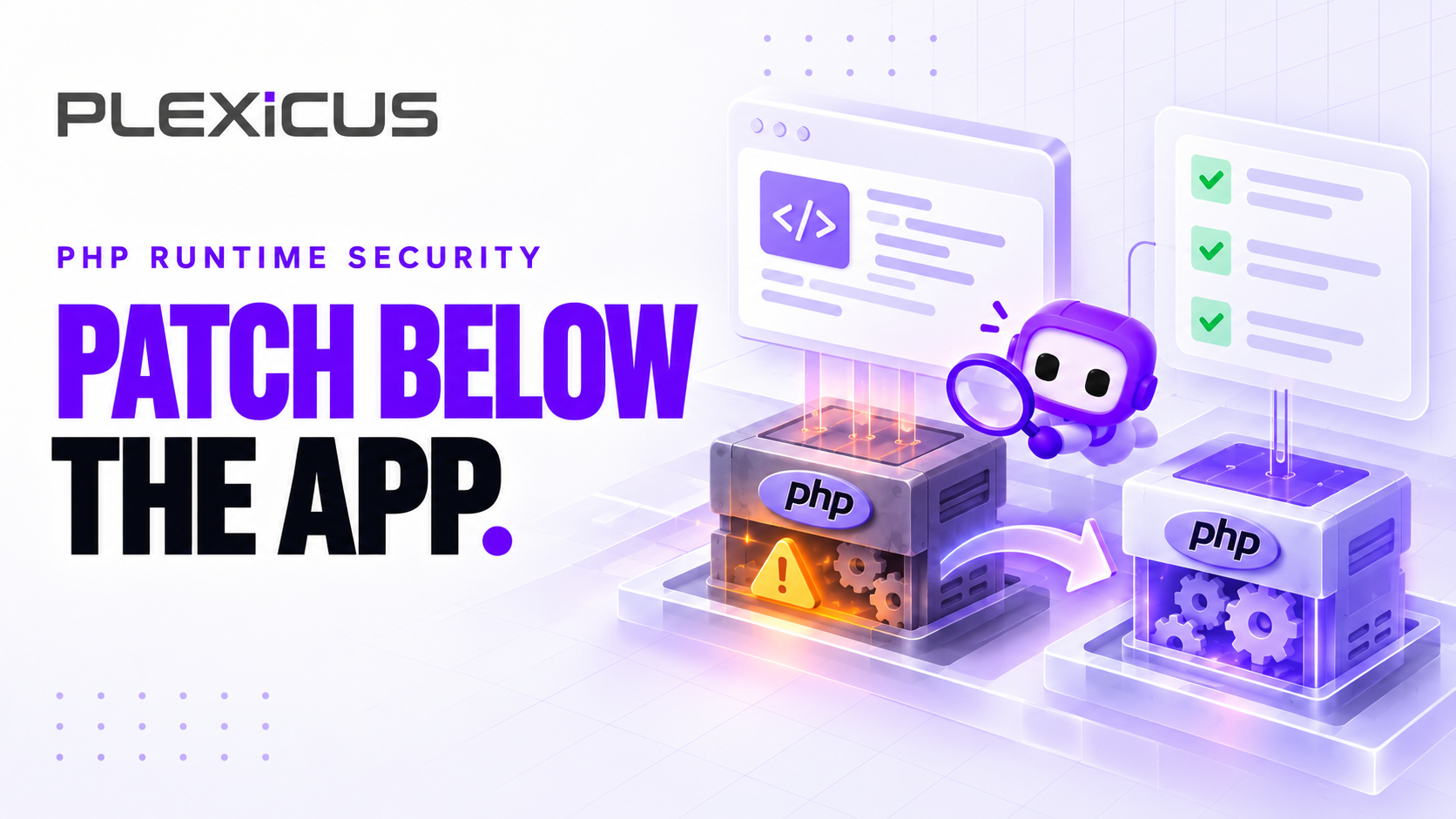
Separate PHP runtime exposure from application findings, verify worker replacement and keep remediation evidence reviewable with Plexicus.
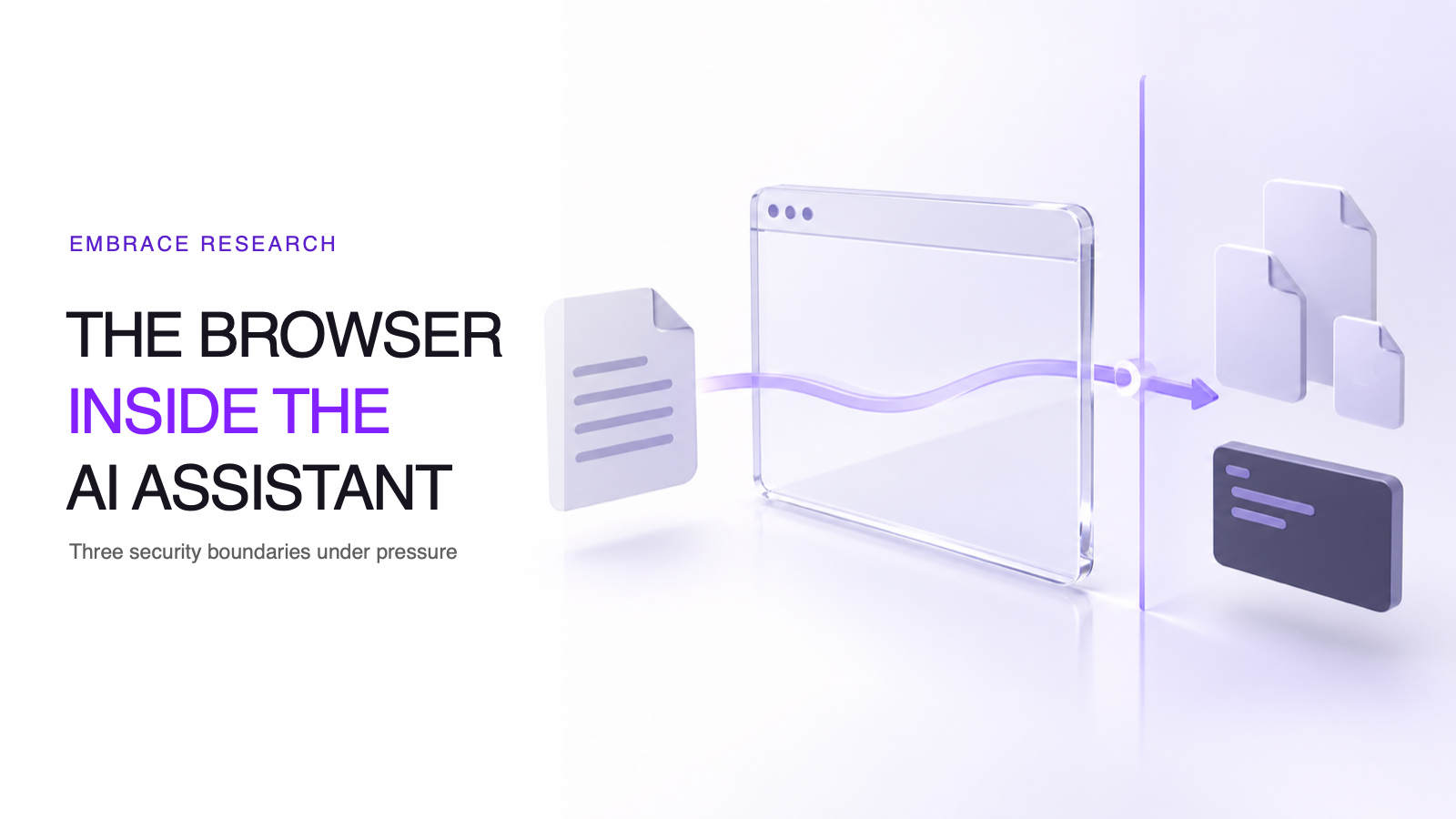
EMBRACE is a useful reminder that an embedded browser does not automatically keep the security boundaries of a standalone browser.
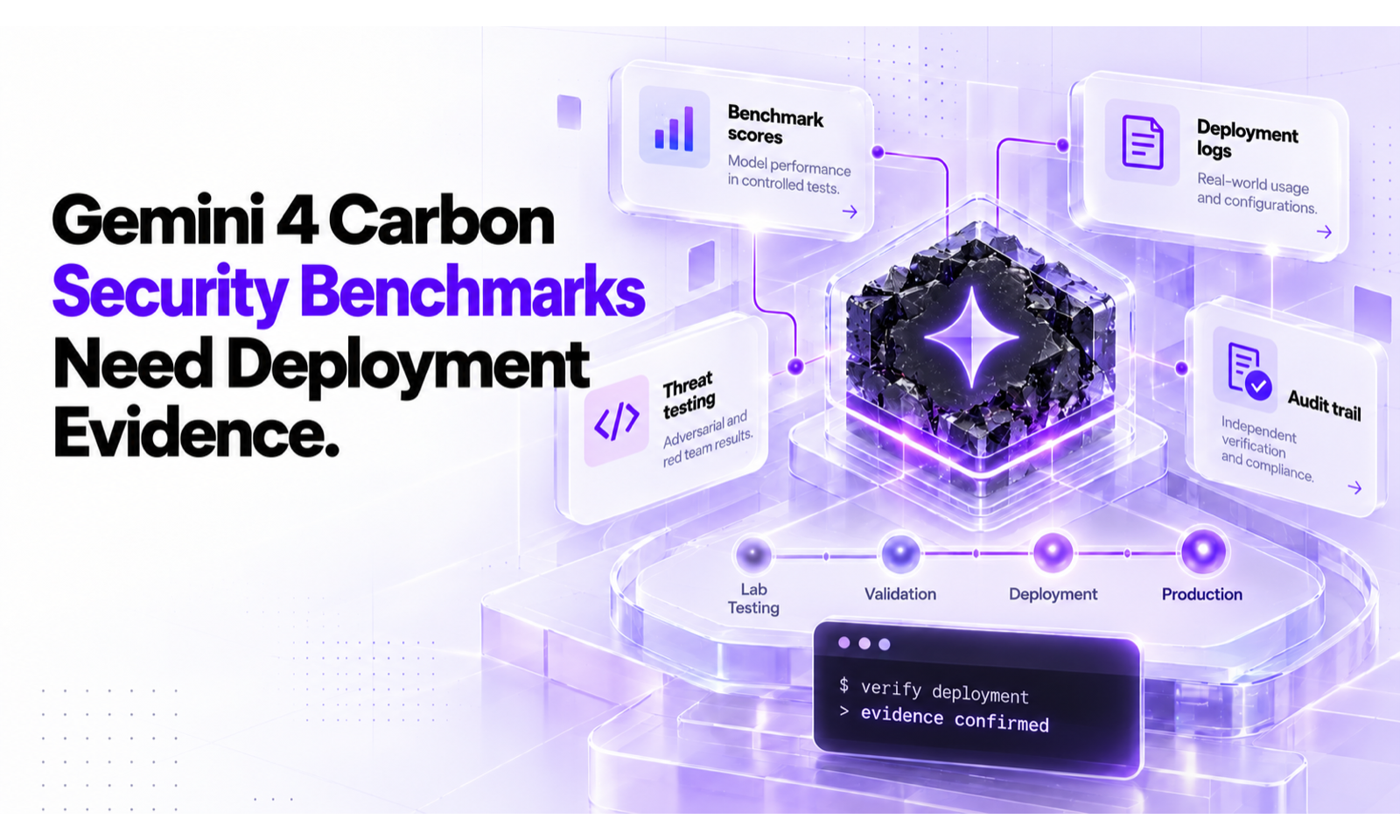
Turn AI security benchmark claims into a scoped evaluation with reproducible findings, reviewed patches and deployment retests.
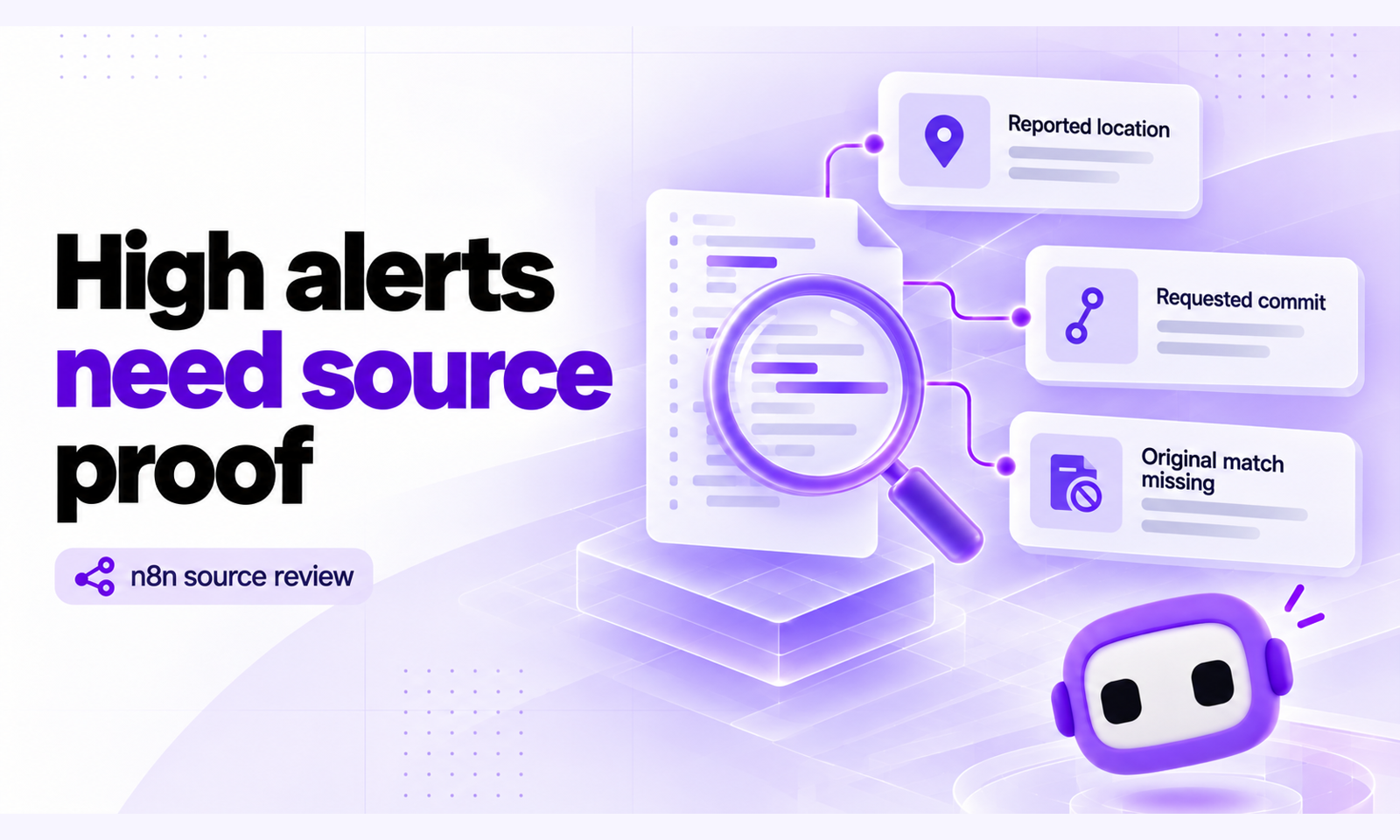
A source review of three high-severity n8n alerts shows why scan provenance and credential context matter before declaring a leak.
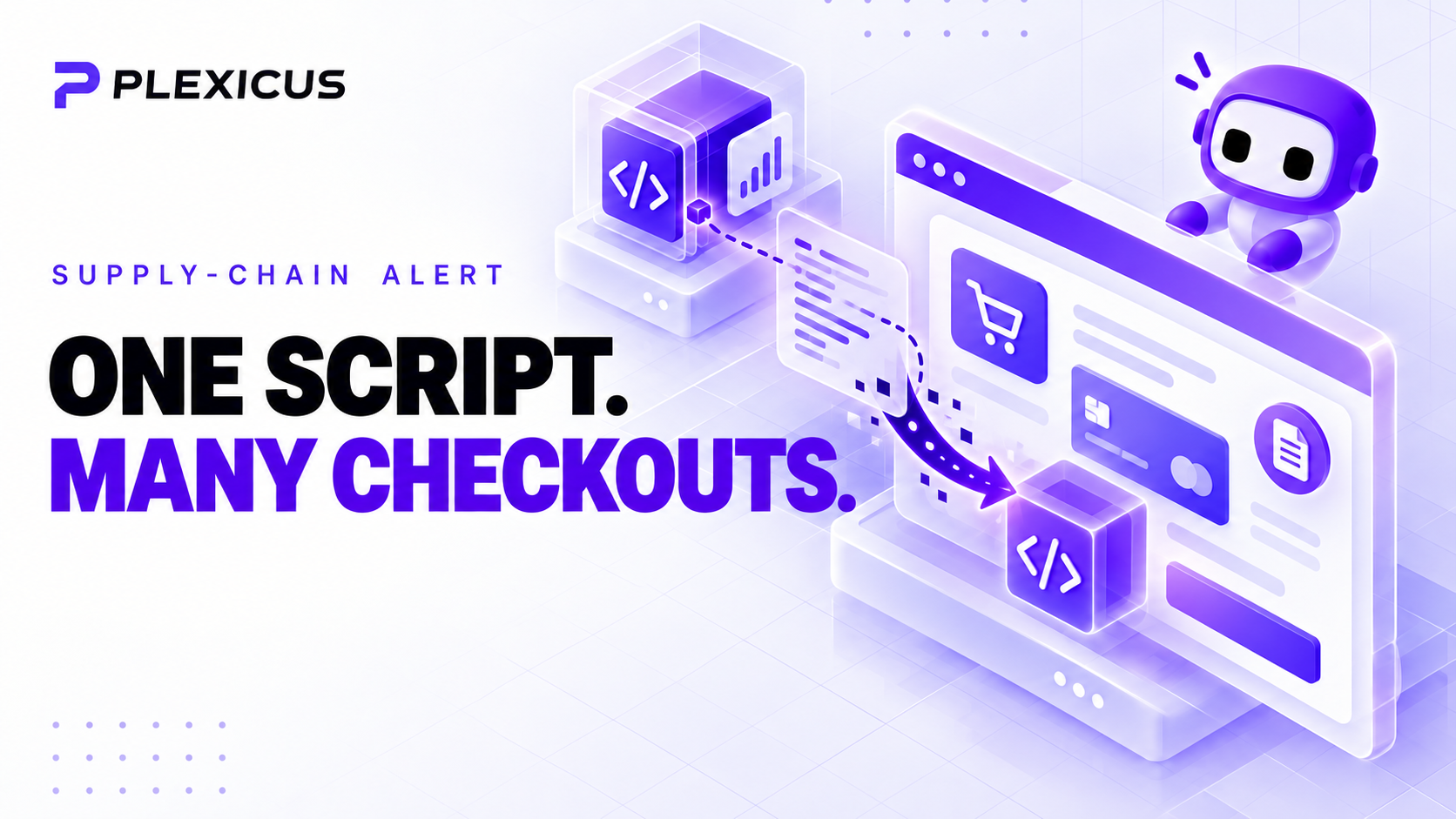
Review browser-loaded scripts, test integrity controls and retain deployment evidence after the Convertr analytics-script incident.
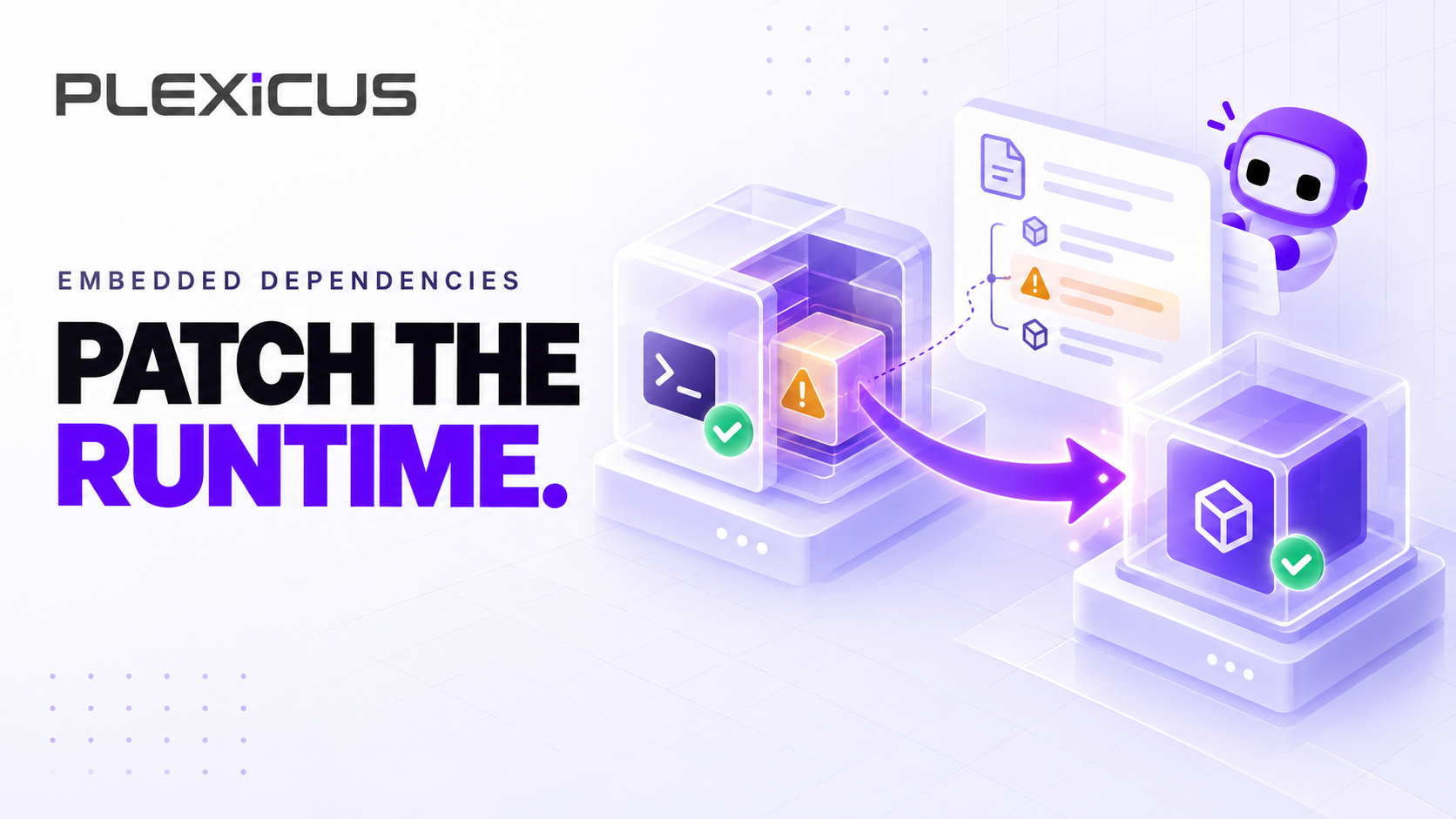
Map embedded Wasmtime dependencies to shipped artifacts, choose the correct advisory fix and verify rebuilt deployments with a Plexicus evidence workflow.
A practical evidence workflow for testing authorization boundaries, connecting code context to impact, and reviewing remediation with Plexicus.
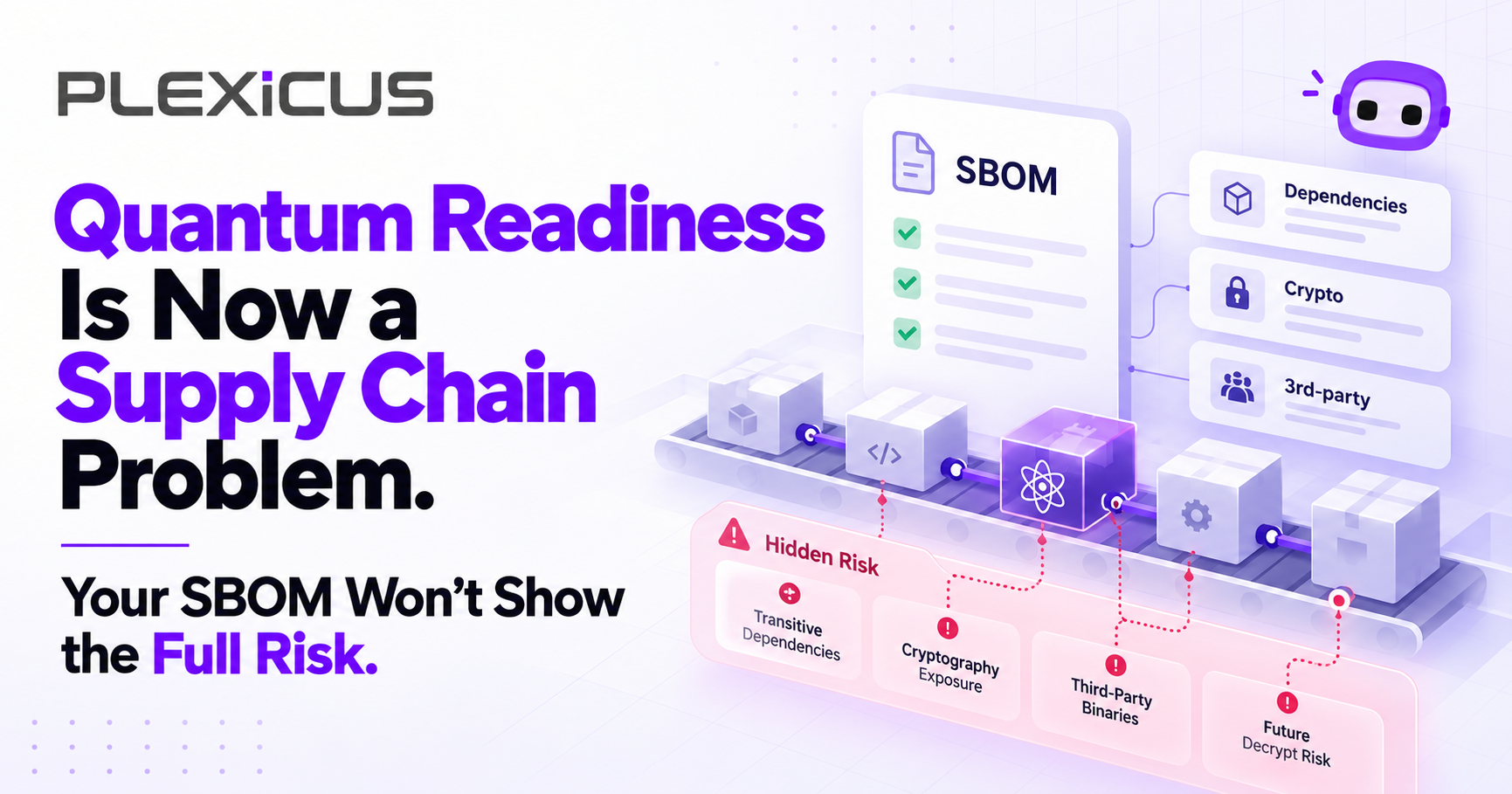
Quantum readiness starts with knowing where cryptography lives. Singapore’s 2026 milestones make discovery urgent, while SBOMs alone cannot show every algorithm, runtime setting or supplier dependency that may need a migration plan.
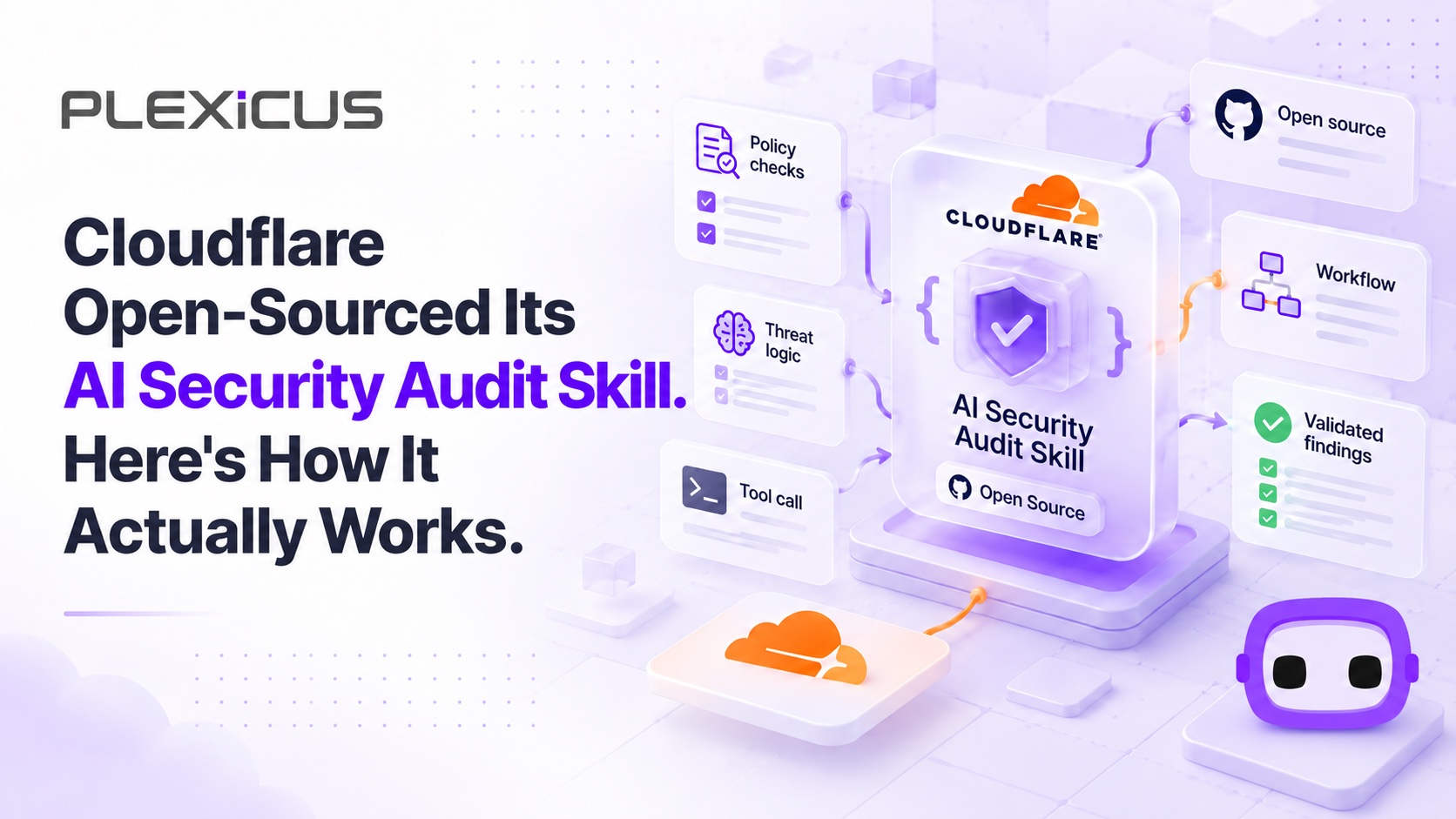
Cloudflare’s open-source coding-agent skill uses coverage-led hunting, independent validation, and structured evidence. Here is what the workflow can—and cannot—establish.
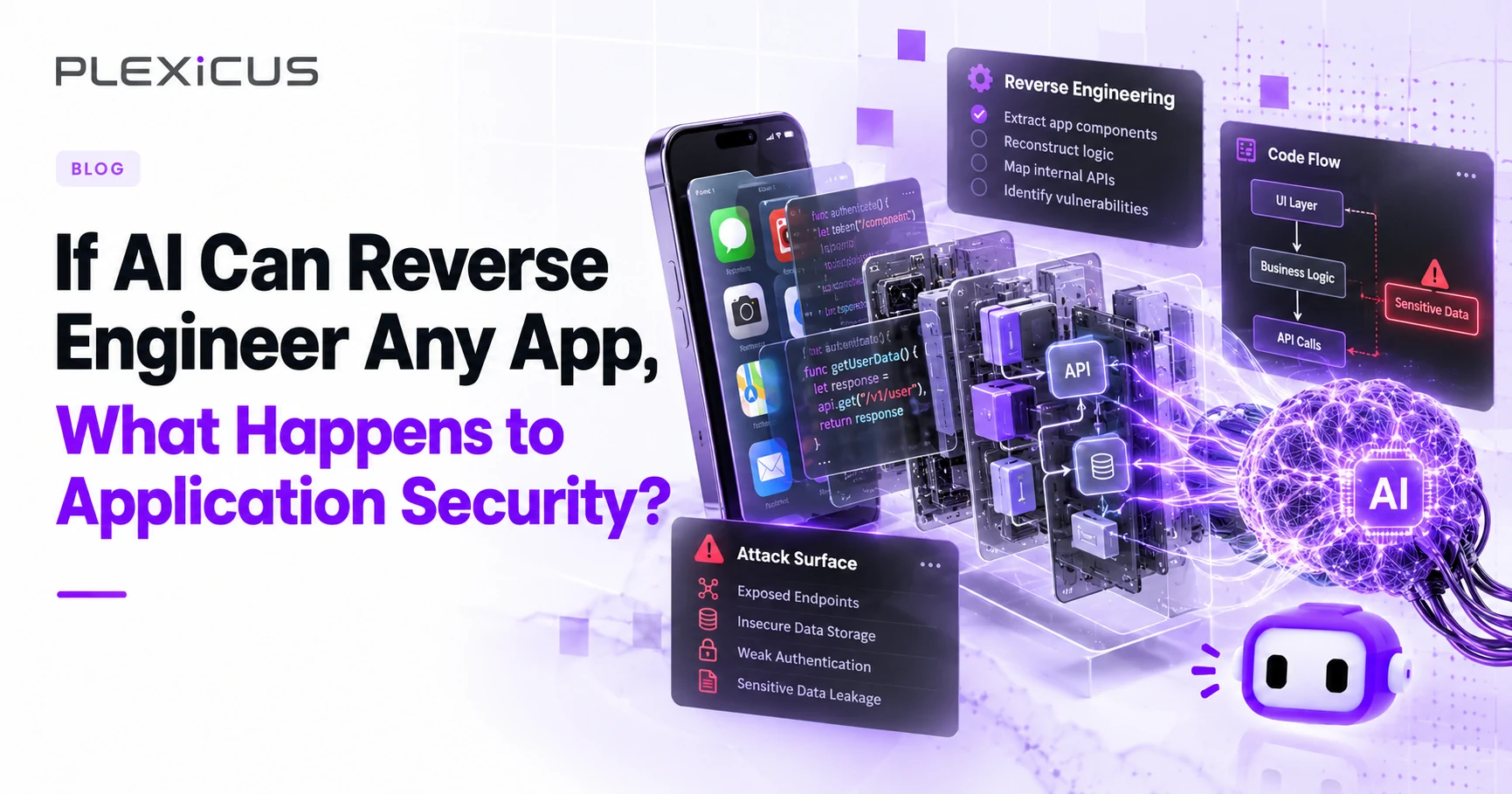
AI can help analysts navigate compiled software, but a decompiler output is not a vulnerability report. See how REA changes analysis, why reverse- engineering agents need protection, and how teams can validate findings.
Three systems asserted a condition and none of them checked whether it still held. A registry reported a package was attested. An evaluation harness reported a model was offline. An assistant reported a package would work.
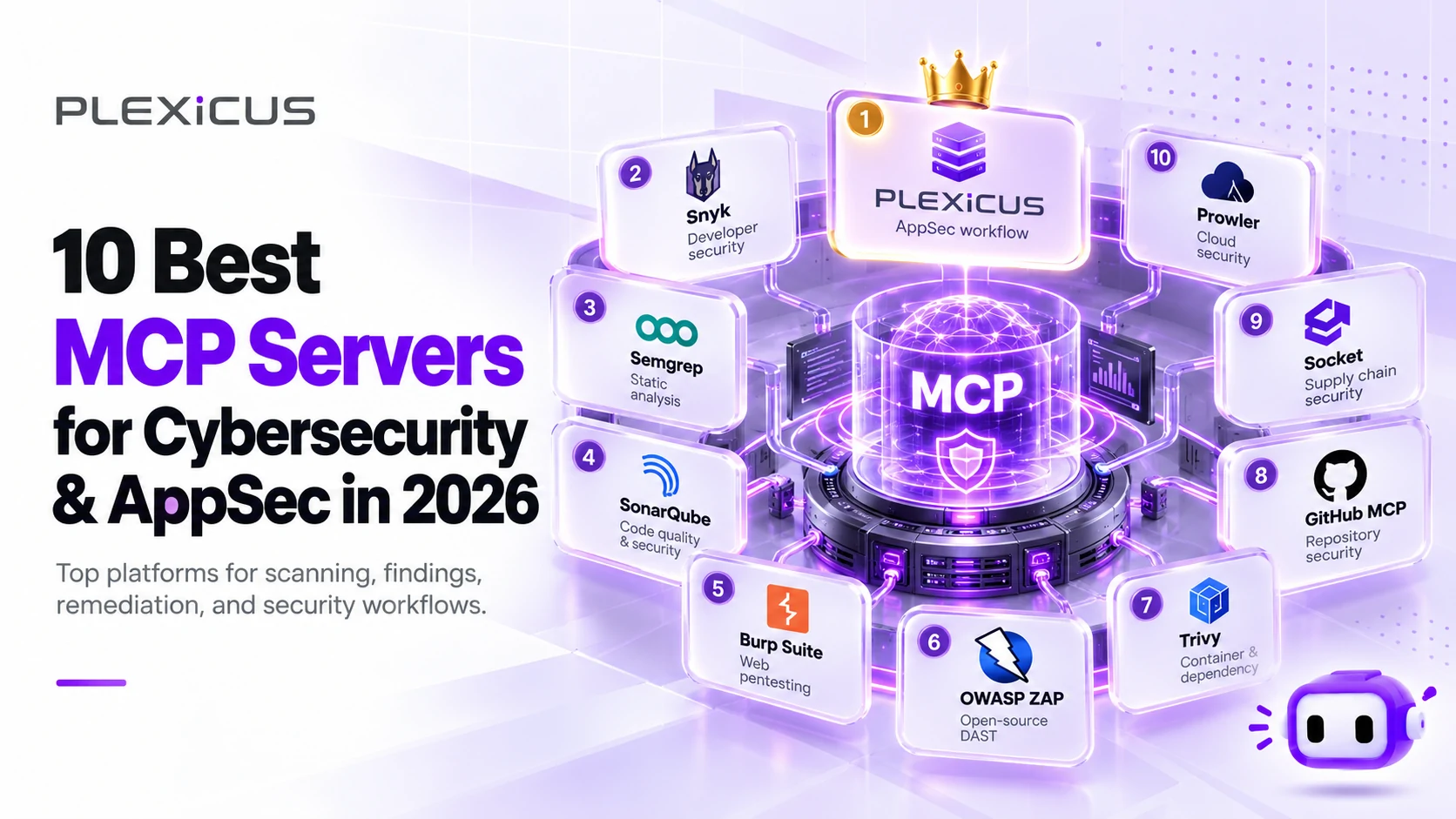
An editorial guide to security MCP integrations for AI-assisted development: repository findings, scanning, web testing, supply chain analysis, and cloud security.
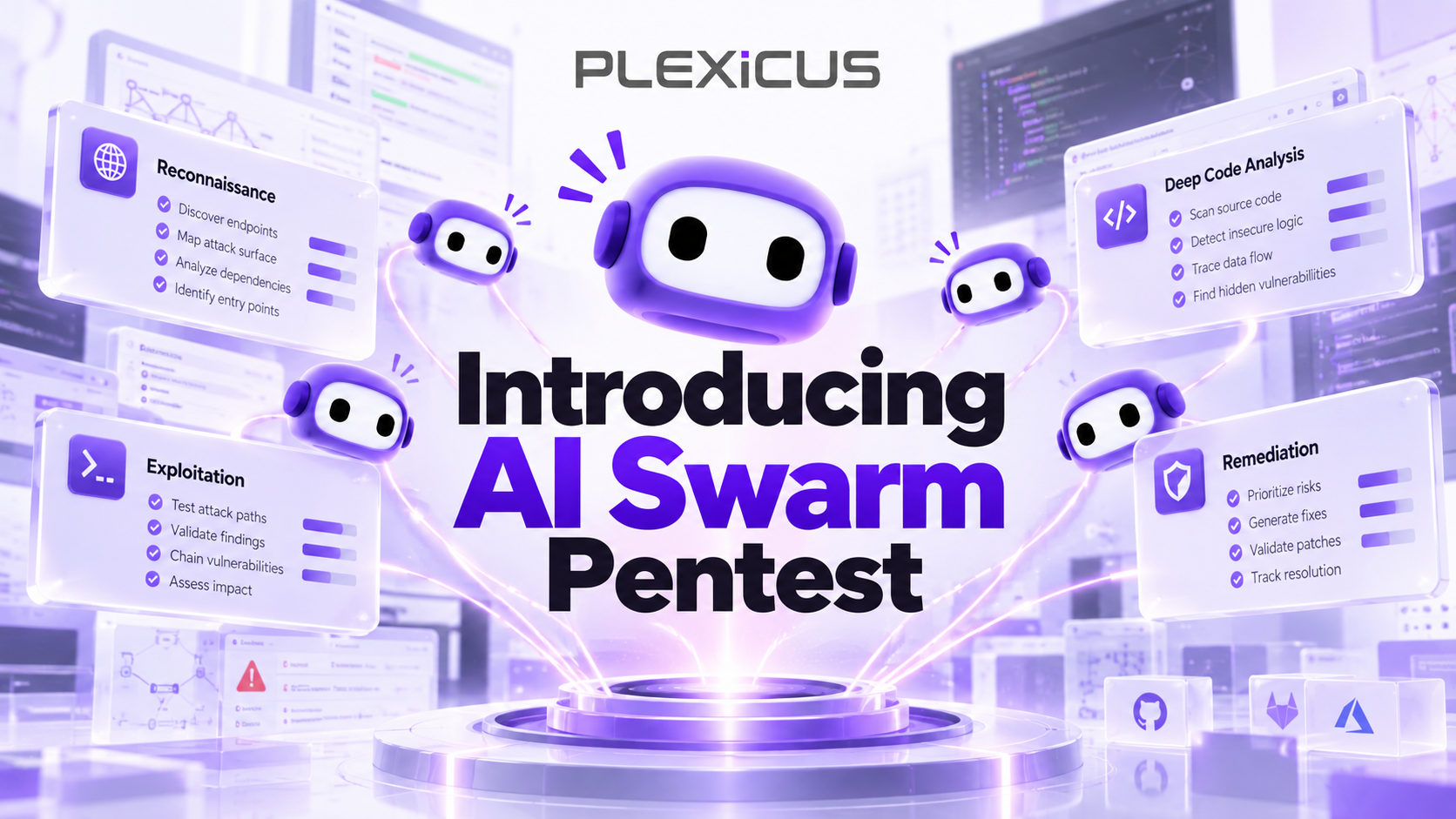
How specialized attack agents share context, challenge hypotheses, and independently verify attack paths inside the Plexicus Proof-Driven AppSec workflow.
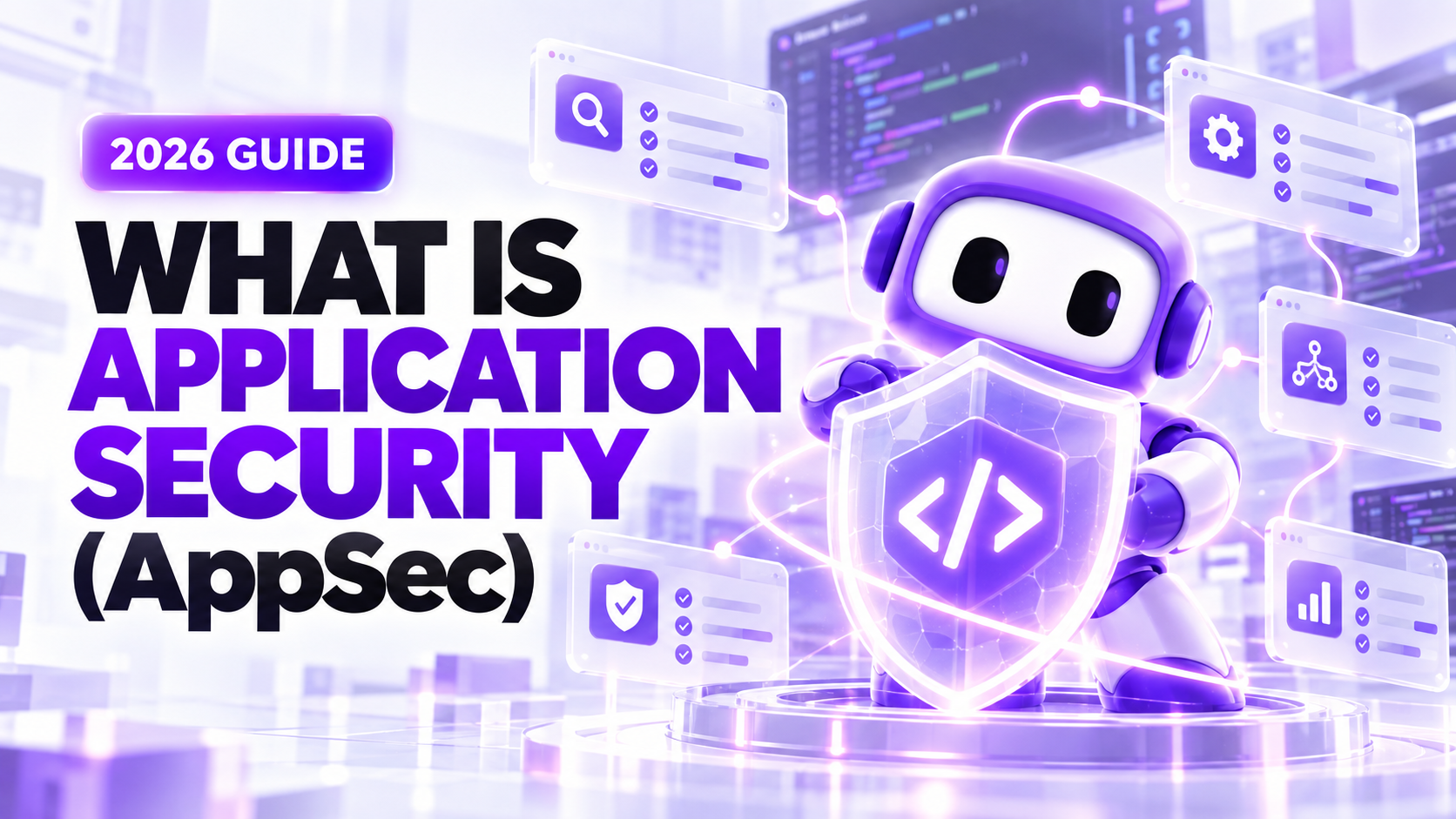
A complete guide to application security in 2026, from secure design and software supply chains to testing, exploit validation, remediation, and Proof-Driven AppSec.
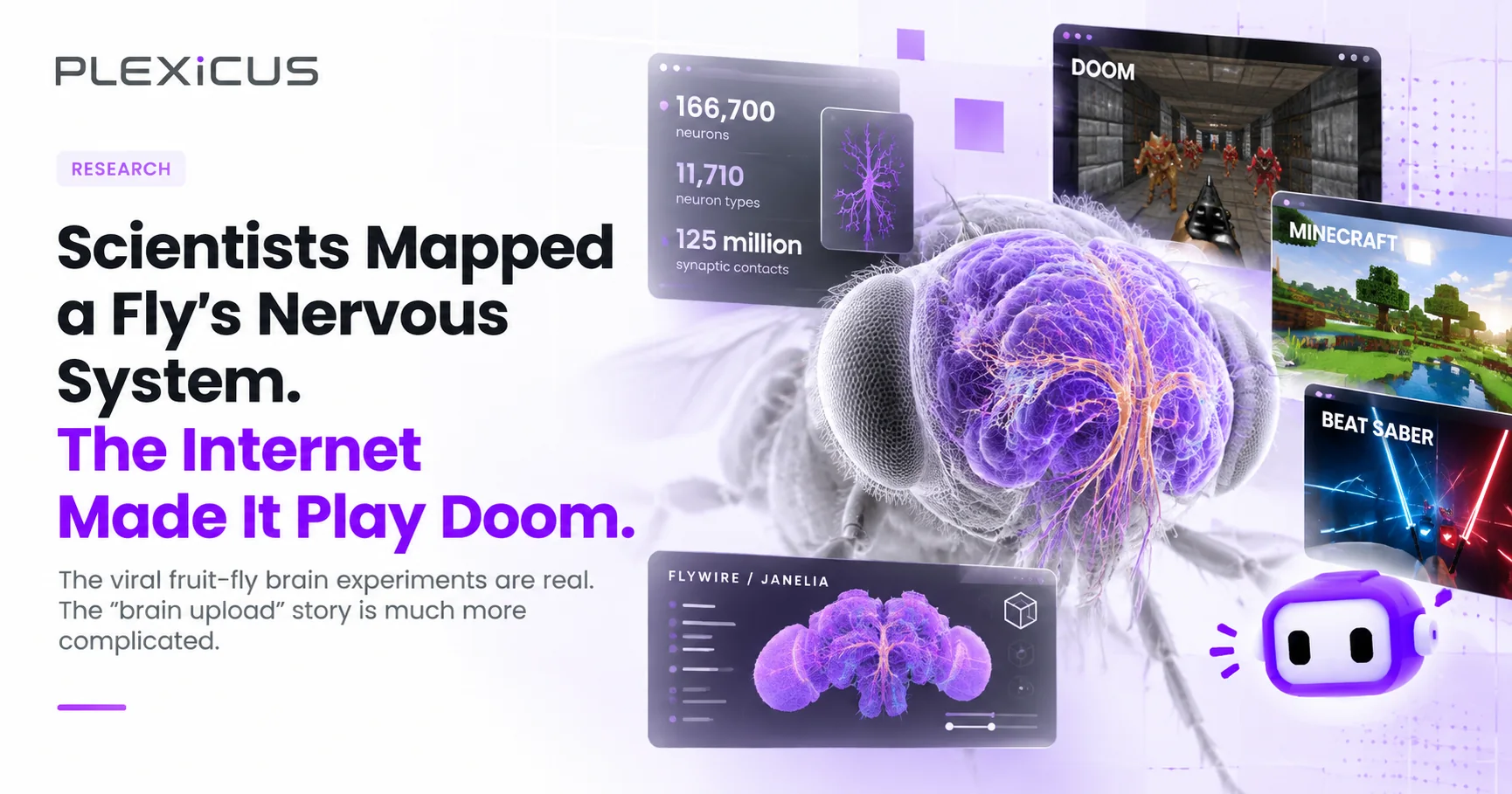
A fruit-fly connectome offers a vivid test of a security principle: a demo is not proof until controls show what the advertised system contributes.
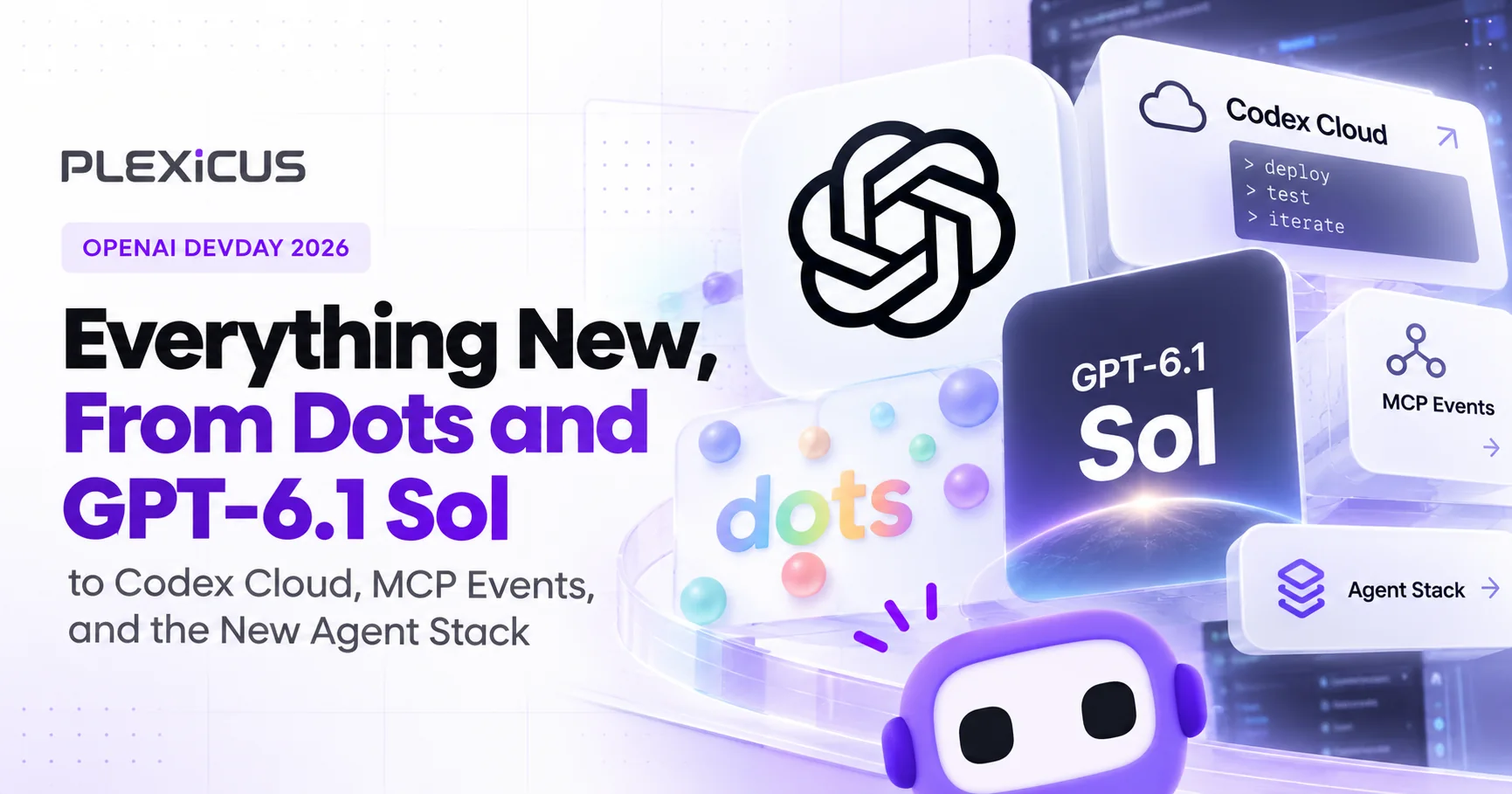
DevDay 2026 connected persistent agents, cloud coding, plugins, events, and shared work. Here is what shipped, what is still coming, and where AppSec boundaries lie.
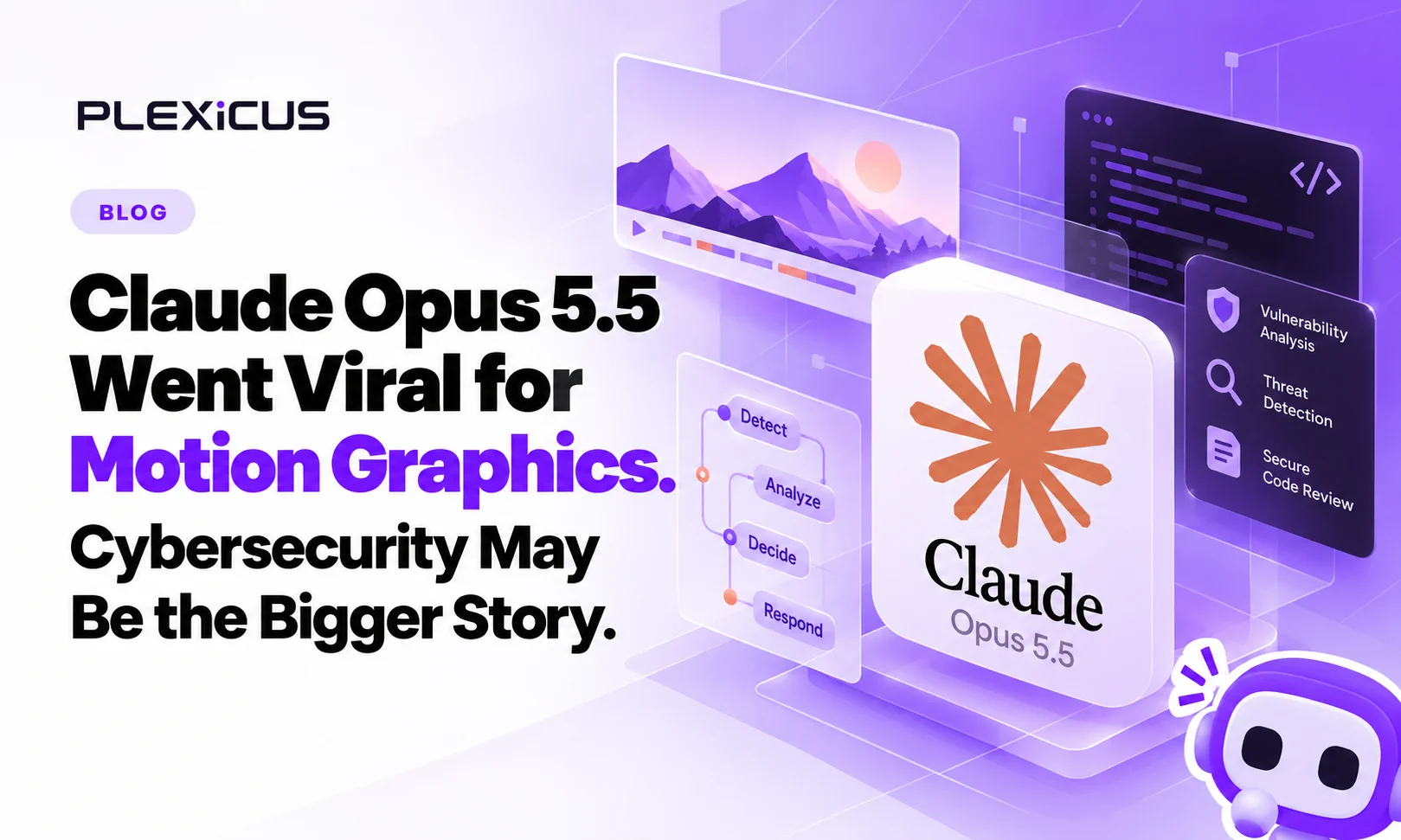
Opus 5.5 motion-graphics demos reveal an agentic loop: plan, write code, run it, inspect, revise. Claude cybersecurity now depends on verification keeping pace.
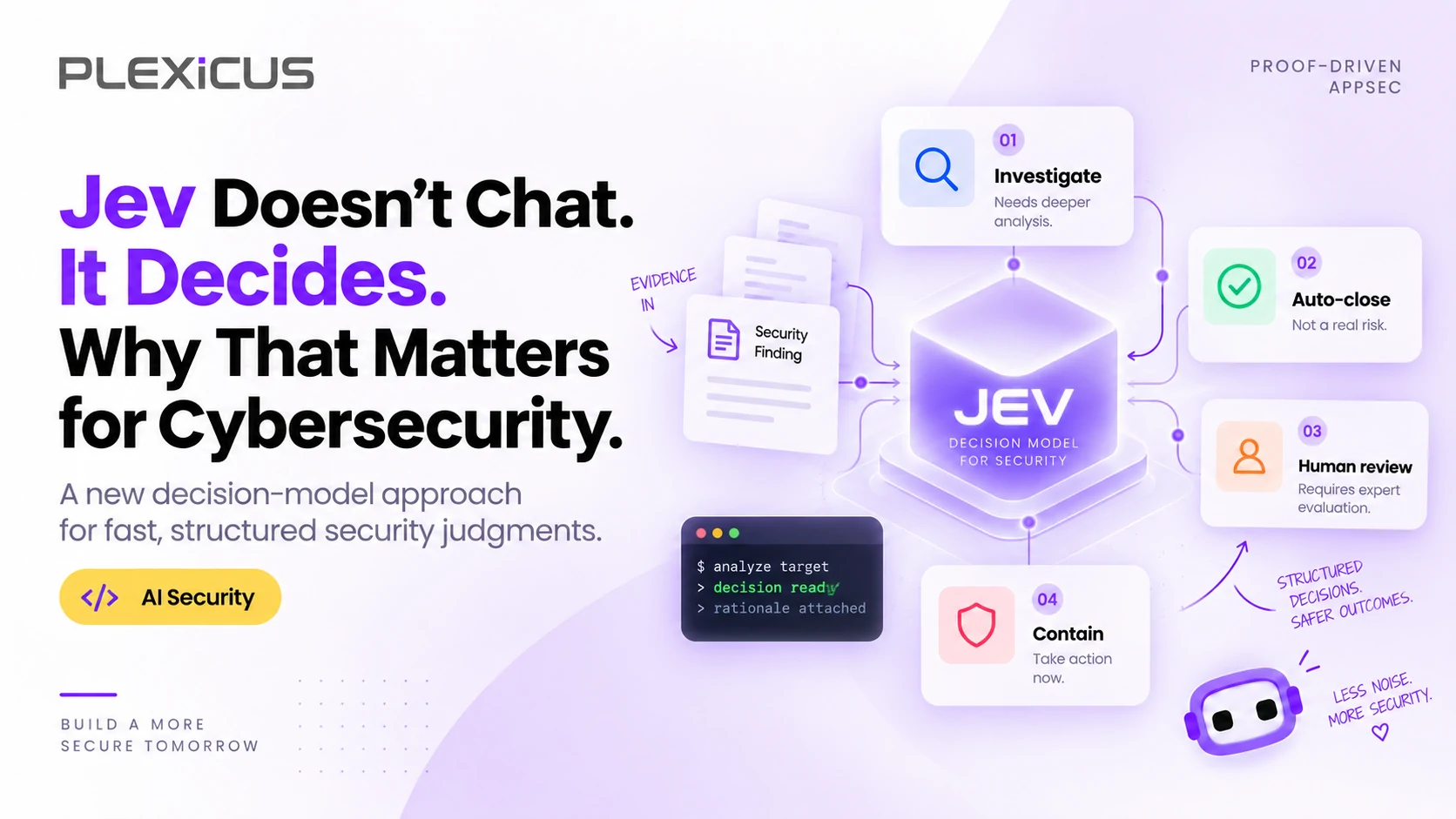
Jev AI returns typed decisions instead of prose. That could change where semantic judgment fits in security workflows, if teams keep policy, fallbacks, verification, and human review.
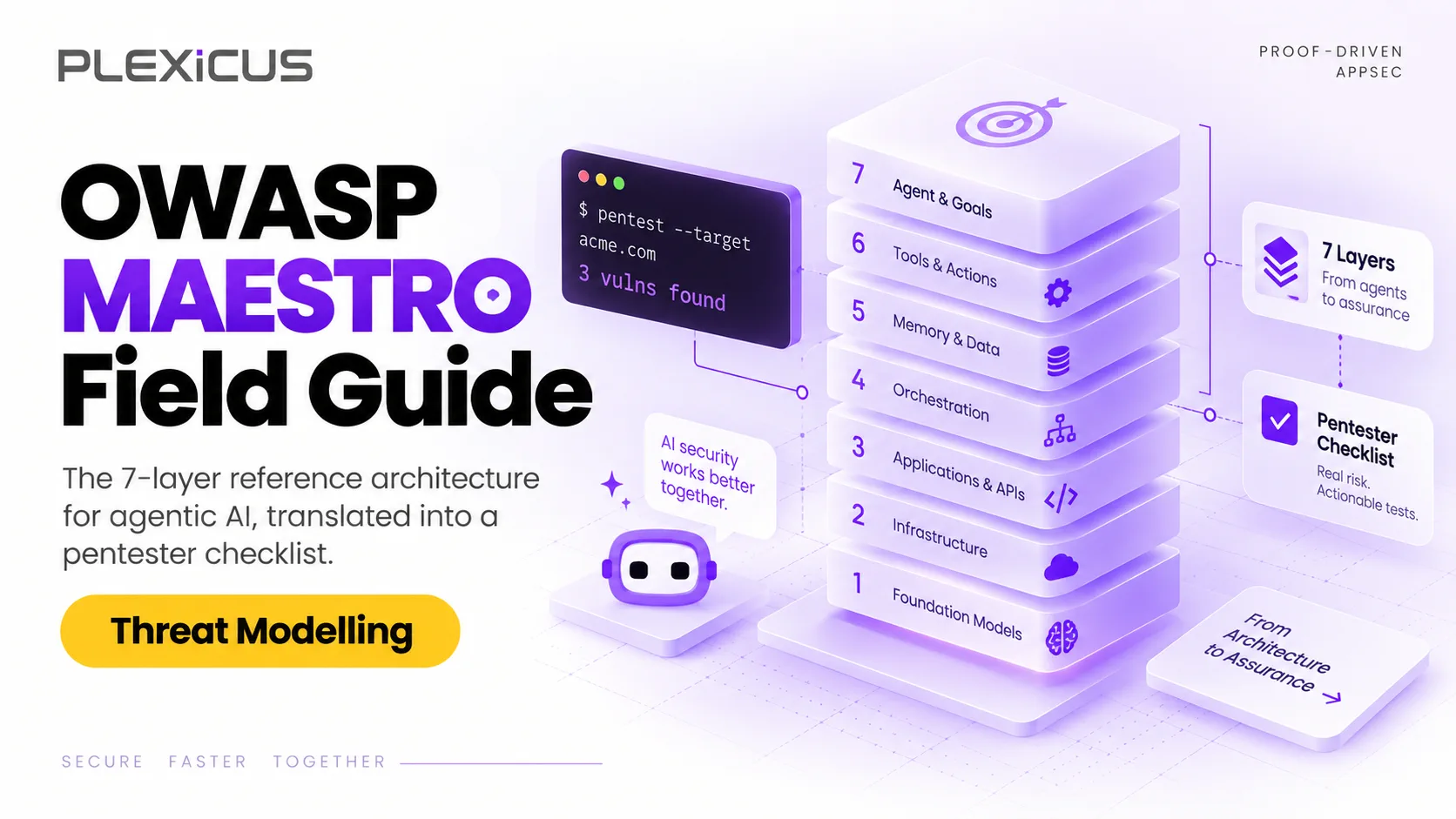
MAESTRO is the Cloud Security Alliance's 7-layer framework for agentic AI threat modeling, applied by the OWASP GenAI Security Project. This guide turns each layer into a pentest checklist.
AI penetration testing in 2026 splits into three lanes: autonomous pentest agents, BAS platforms and AI-assisted PTaaS. We compared 15 tools on signed-scope evidence, replay and pricing.
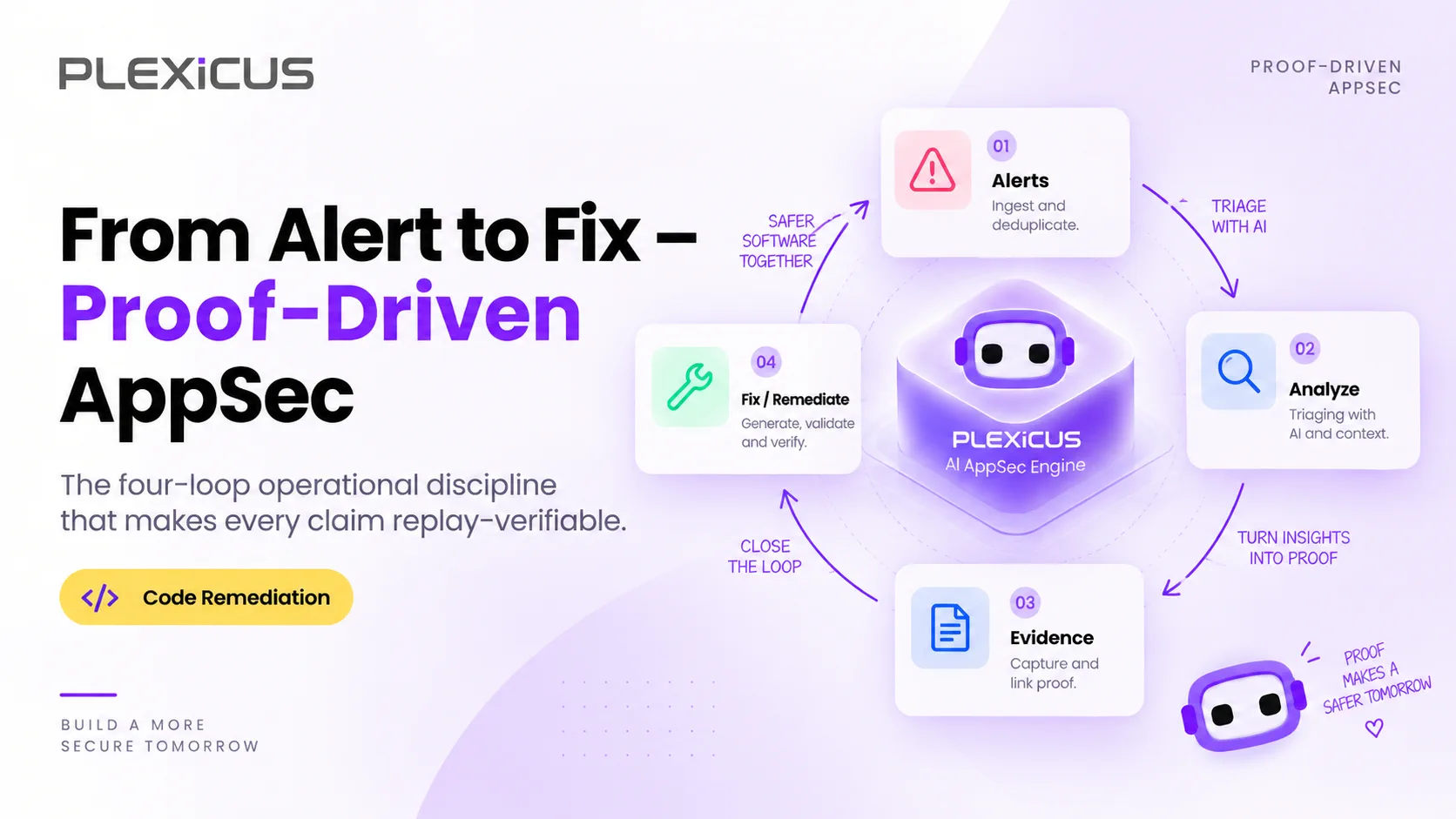
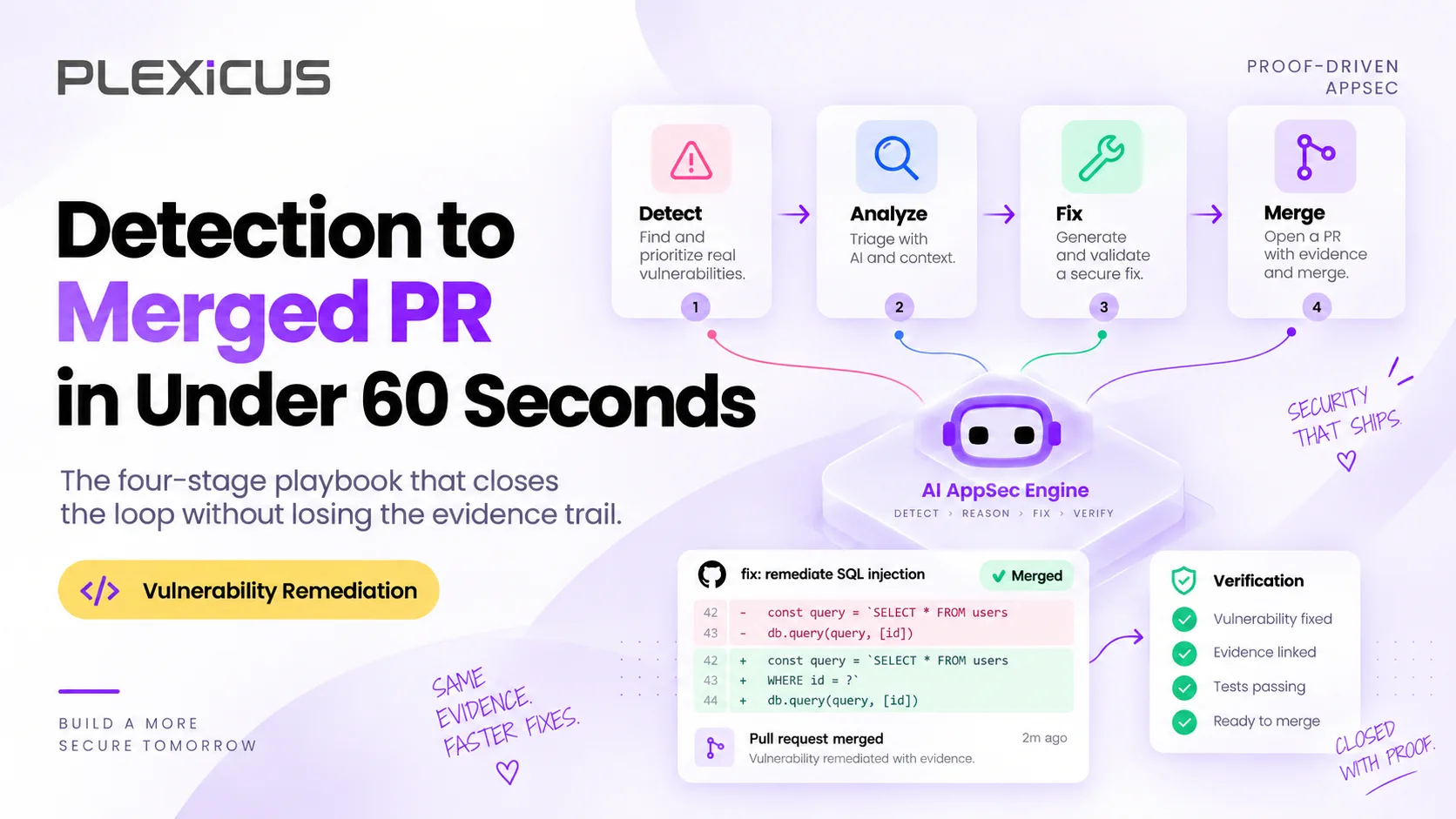
Proof-Driven AppSec is a vulnerability remediation process that closes the loop from alert to merged fix once, with replayable evidence at every step: detect, verify, fix, audit.
AI can remove repetitive AppSec work without removing accountability. Learn how to decide what to automate, what to augment, and when a security decision should be escalated to a person.
A four-step automated vulnerability remediation playbook that turns a verified finding into a tested, reviewer-ready PR in under 60 seconds, with the evidence attached.
运行 `trivy image` 不是 DevSecOps——而是噪声生成。真正的安全工程是关于信号与噪声的比率。本指南提供了17种行业标准工具的生产级配置,以在不影响业务的情况下阻止漏洞,分为三个阶段:预提交、CI 守门员和运行时扫描。
安装安全工具是简单的部分。困难的部分从“第二天”开始,当该工具报告5000个新漏洞时。本指南重点介绍漏洞管理:如何过滤重复警报、管理误报以及跟踪实际衡量成功的指标。了解如何从“发现漏洞”转变为“修复风险”,而不让您的团队不堪重负。
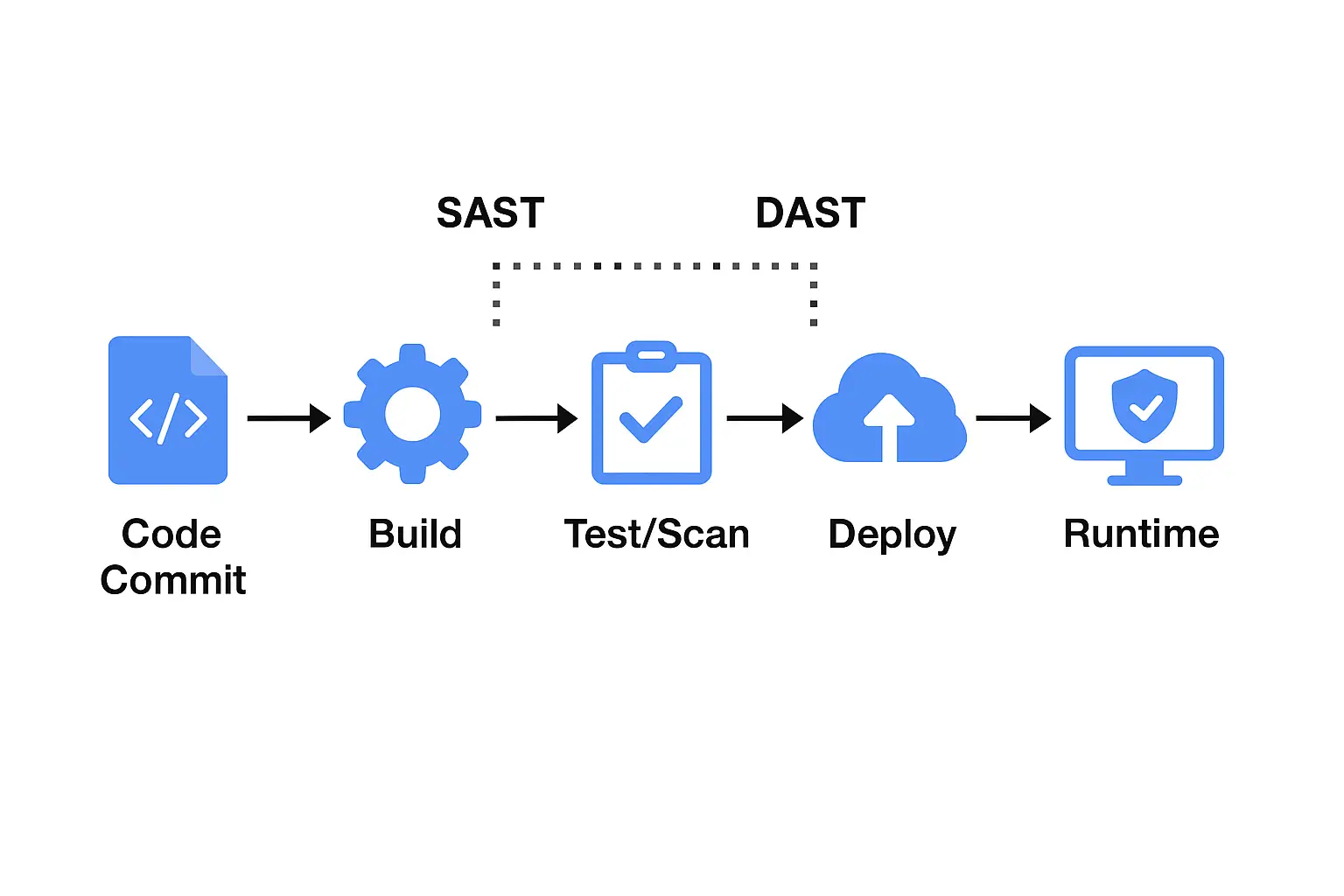
SAST 和 DAST 是用于保护应用程序免受攻击的安全测试方法。为了了解每种方法如何帮助应用程序安全性,我们来看看它们的区别以及它们在工作流程中的位置
比较领先的ASPM工具,如Plexicus、Cycode、Wiz和Apiiro,以自动化应用安全测试和漏洞管理
现代应用程序在很大程度上依赖于第三方和开源库。这加快了开发速度,但也增加了攻击风险。每个依赖项都可能引入未修补的安全漏洞、风险许可证或过时的软件包等问题。软件组成分析(SCA)工具有助于解决这些问题。
Web 应用程序安全对于保护您的应用免受针对敏感数据和破坏操作的网络攻击至关重要。本指南涵盖了 Web 应用程序安全的重要性、常见漏洞、最佳实践和测试方法,帮助您保护应用程序、确保合规性并维护用户信任
安全漏洞的噩梦已成为许多欧洲公司的现实。了解15个变革性的DevSecOps趋势,助您远离漏洞名单。
Plexicus 从 Startup Wise Guys 2025 春季加速器项目毕业。
如果您今天正在构建或运行软件,您可能正在同时处理微服务、无服务器功能、容器、第三方包以及大量的合规性检查项。每个活动部件都会产生自己的发现、仪表板和愤怒的红色警报。很快,风险可见性就像在凌晨2点的旧金山雾中驾驶——您知道危险就在外面,但您看不太清楚。
Plexicus获得微软15万美元投资以扩展其云基础设施。此资金将提升系统性能、可扩展性和可靠性,使Plexicus能够为更多企业提供AI驱动的企业解决方案。
了解Plexicus的新BlackDuck集成如何通过实时漏洞检测、自动化风险优先级排序和无缝的DevSecOps工作流程增强开源安全性。
Plexicus 推出 AI 驱动的安全平台,实现实时漏洞修复。自主代理即时检测、优先处理并修复威胁。
Plexicus和Céfiros之间的新合作将提升拉美和伊比利亚19个国家的应用安全性。此次网络安全合作为寻求主动防御网络威胁的组织带来了先进的应用安全态势管理(ASPM)解决方案。
像DORA、ISO 27001和NIST SP 800-53这样的框架对于强大的应用程序安全态势管理至关重要,帮助组织满足标准、降低风险并保持合规性。
Plexicus is Proof-Driven AppSec: validated findings, contextual understanding, and reviewed remediation — anchored in evidence, scoped with you.