Dependabot Can Update AI Agent Skills. Who Reviews What Changed?
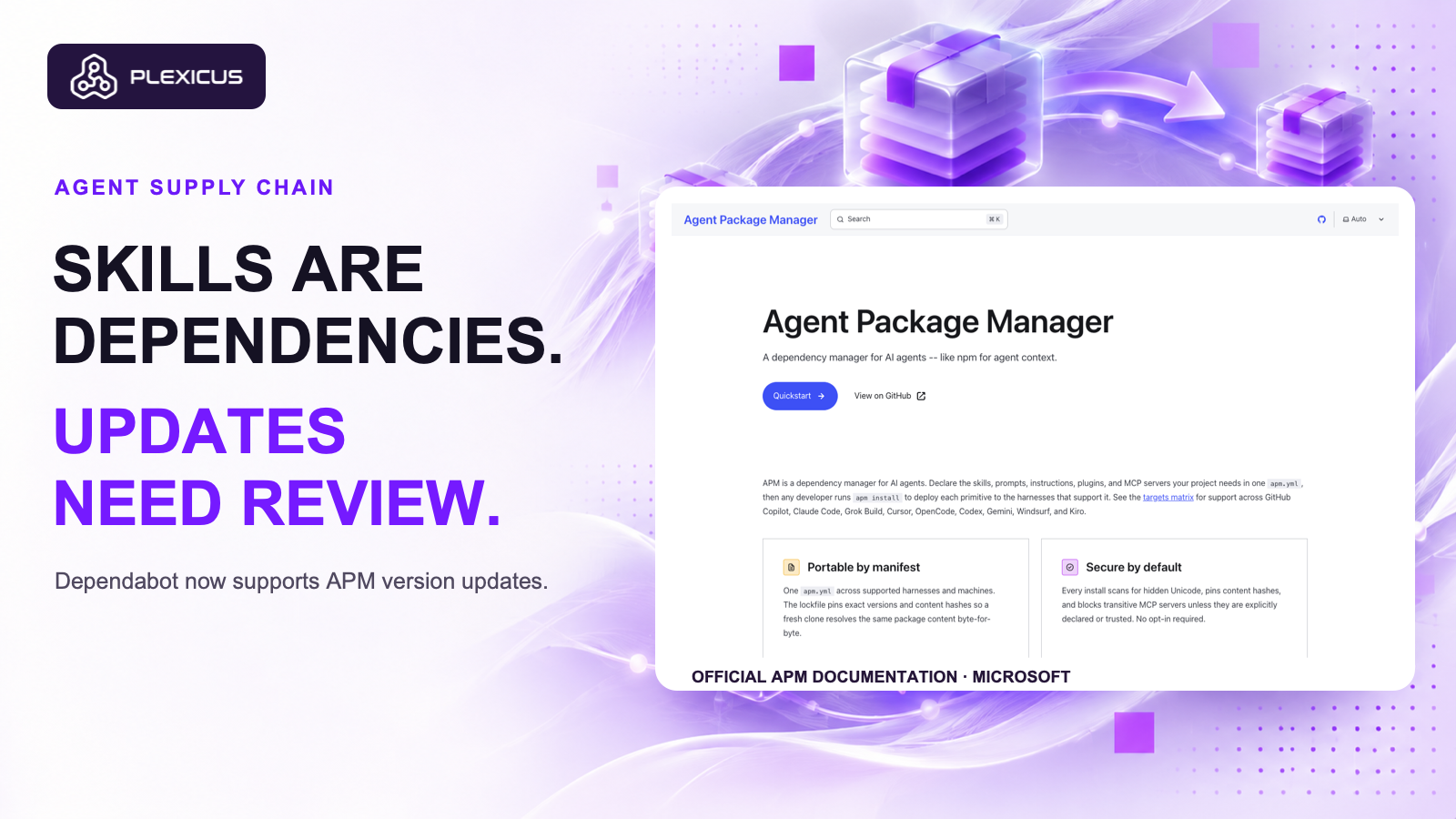
Dependabot can propose version updates for agent dependencies. The change puts skills and instructions into an existing review workflow.
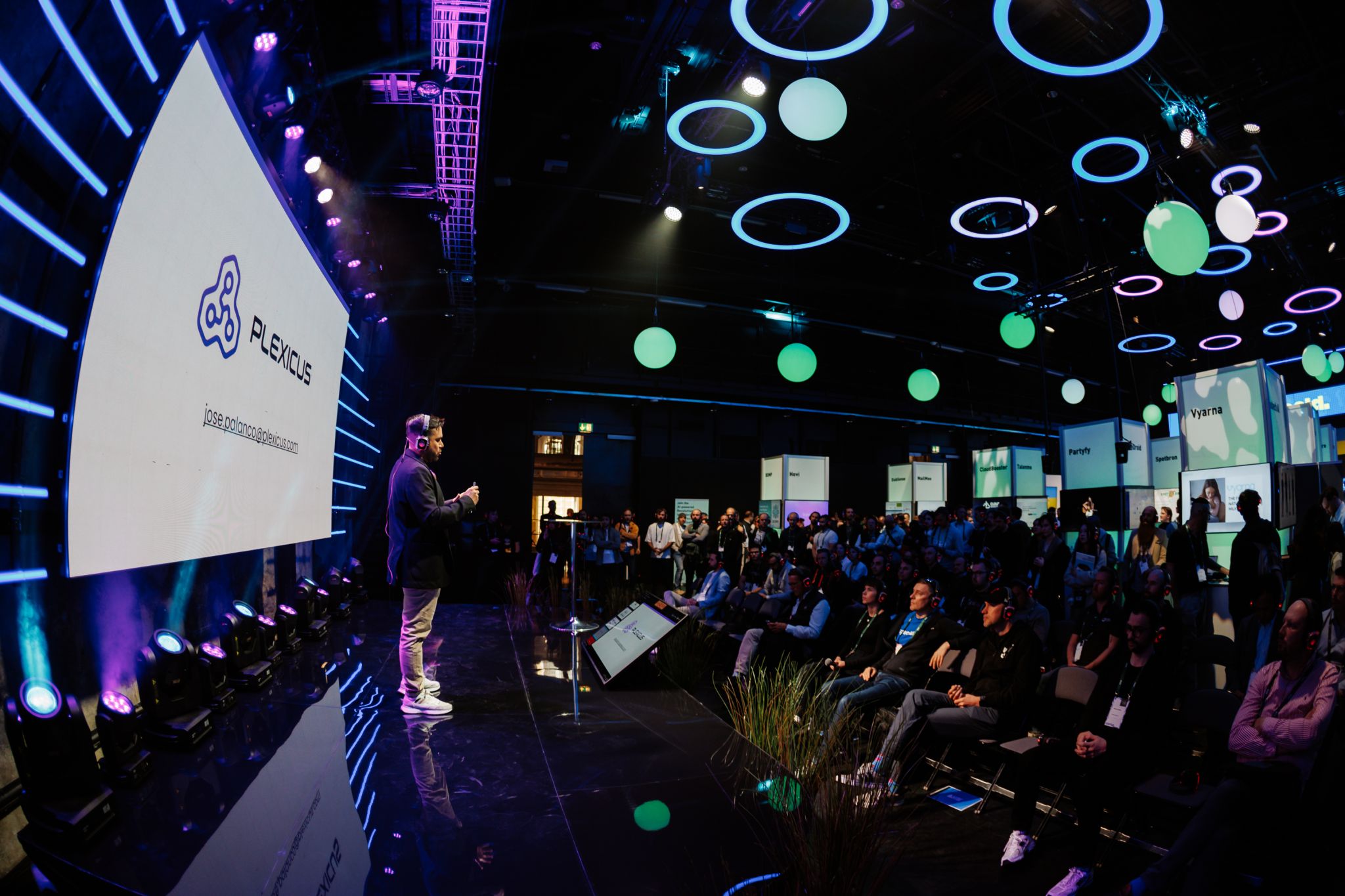
José Ramón Palanco is the CEO/CTO of Plexicus, a pioneering company in ASPM (Application Security Posture Management) launched in 2024, offering AI-powered remediation capabilities. Previously, he founded Dinoflux in 2014, a Threat Intelligence startup that was acquired by Telefonica, and has been working with 11paths since 2018. His experience includes roles at Ericsson`s R&D department and Optenet (Allot). He holds a Telecommunications Engineering degree from the University of Alcala de Henares and a Master`s in IT Governance from the University of Deusto. As a recognized cybersecurity expert, he has been a speaker at various prestigious conferences including OWASP, ROOTEDCON, ROOTCON, MALCON, and FAQin. His contributions to the cybersecurity field include multiple CVE publications and the development of various open source tools such as nmap-scada, ProtocolDetector, escan, pma, EKanalyzer, SCADA IDS, and more.
Dependabot can propose version updates for agent dependencies. The change puts skills and instructions into an existing review workflow.
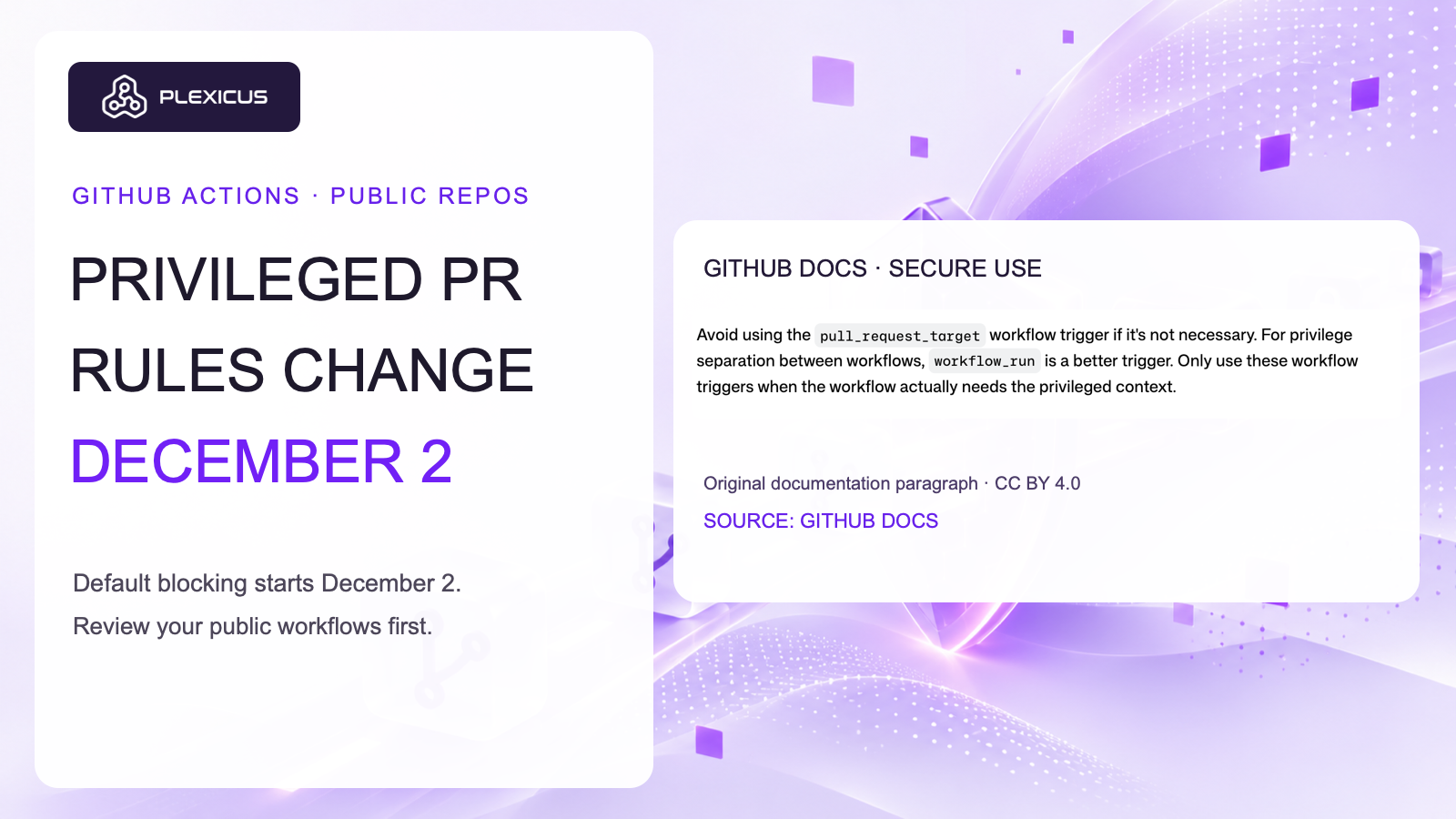
A GitHub Actions policy change puts privileged pull request workflows under scrutiny. Here is what maintainers can do before enforcement.
An internal DeepSeek evaluation separates exploit capability from operational restraint. Define scope, evidence and cleanup before autonomous testing.
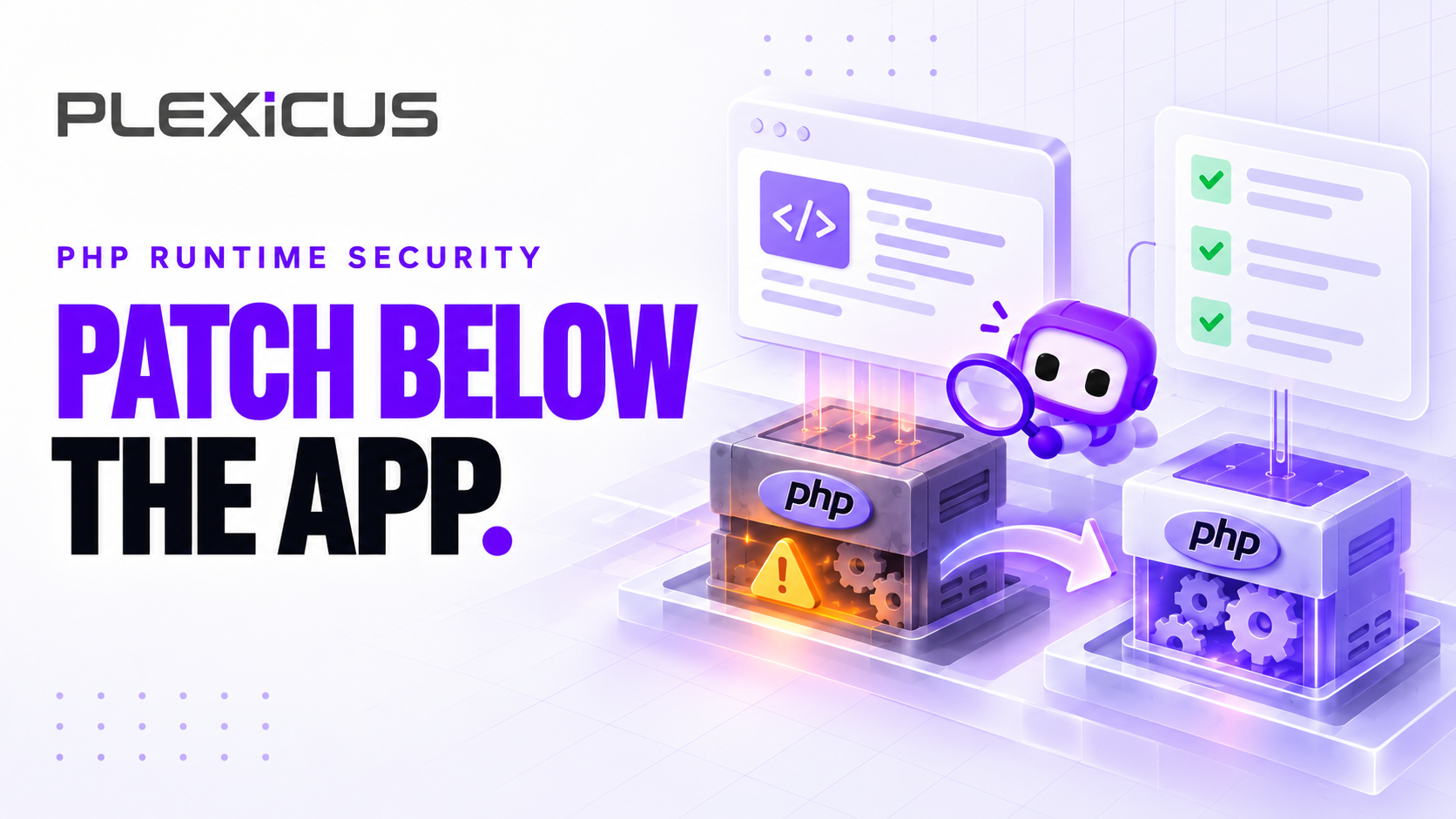
Separate PHP runtime exposure from application findings, verify worker replacement and keep remediation evidence reviewable with Plexicus.
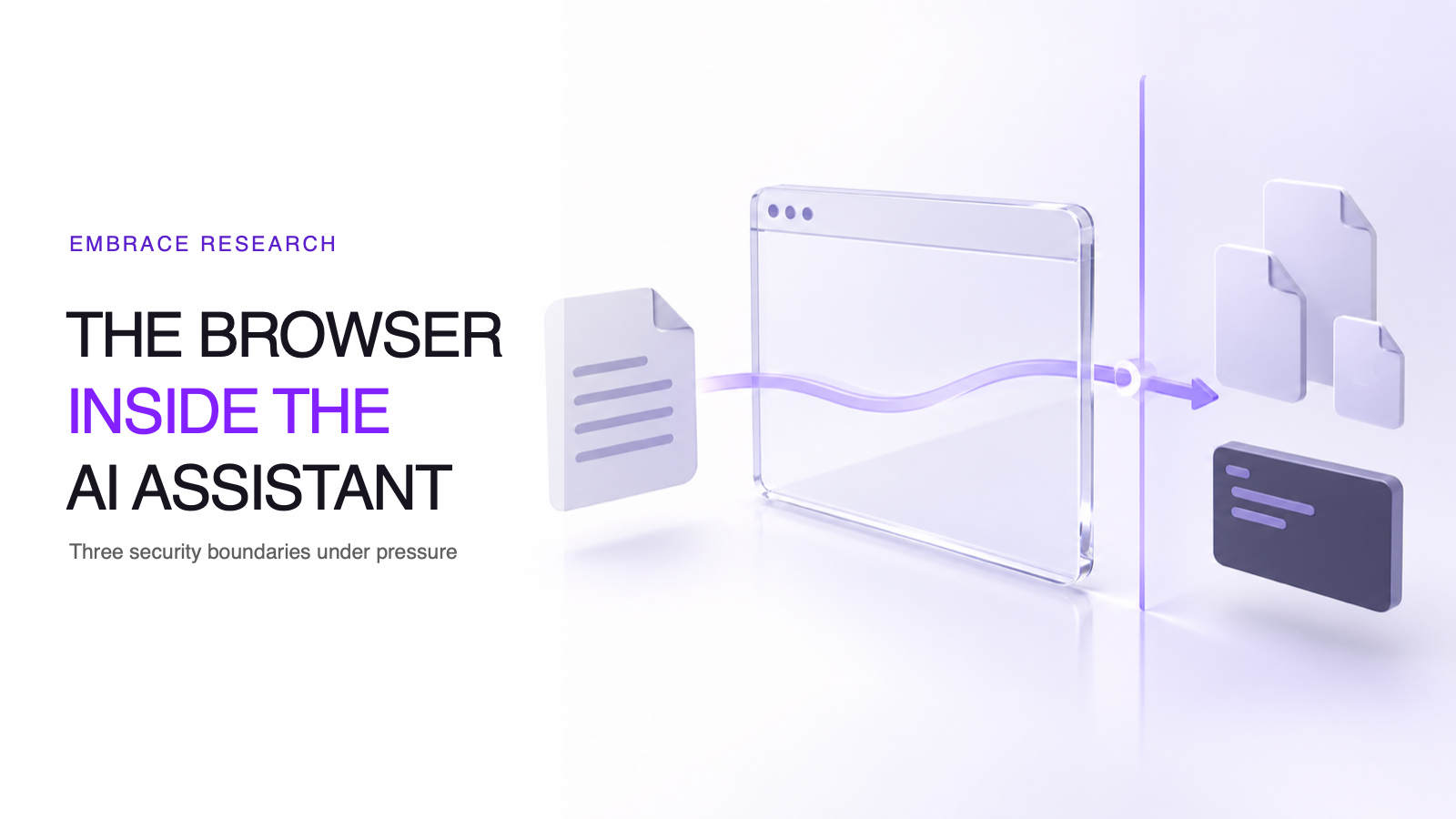
EMBRACE is a useful reminder that an embedded browser does not automatically keep the security boundaries of a standalone browser.
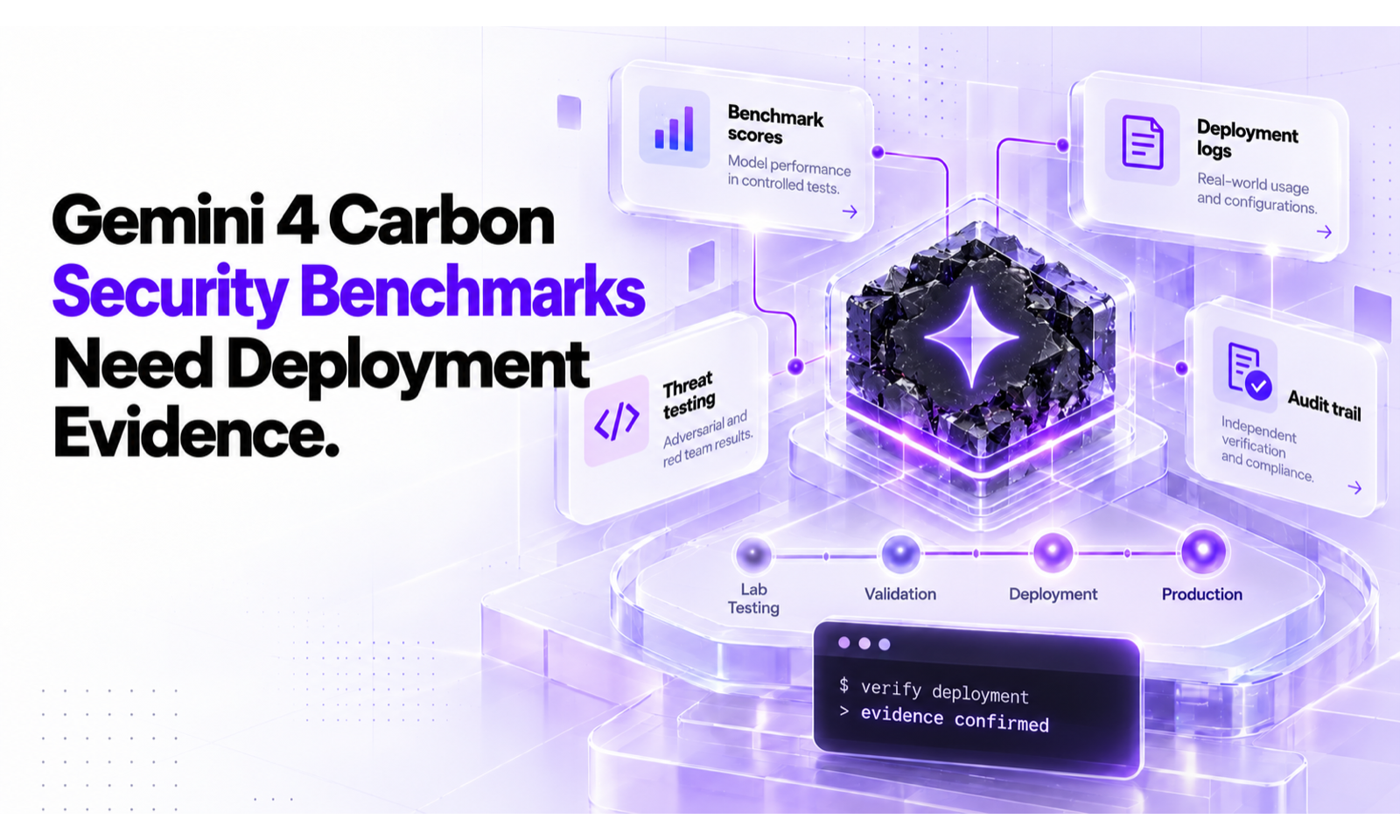
Turn AI security benchmark claims into a scoped evaluation with reproducible findings, reviewed patches and deployment retests.
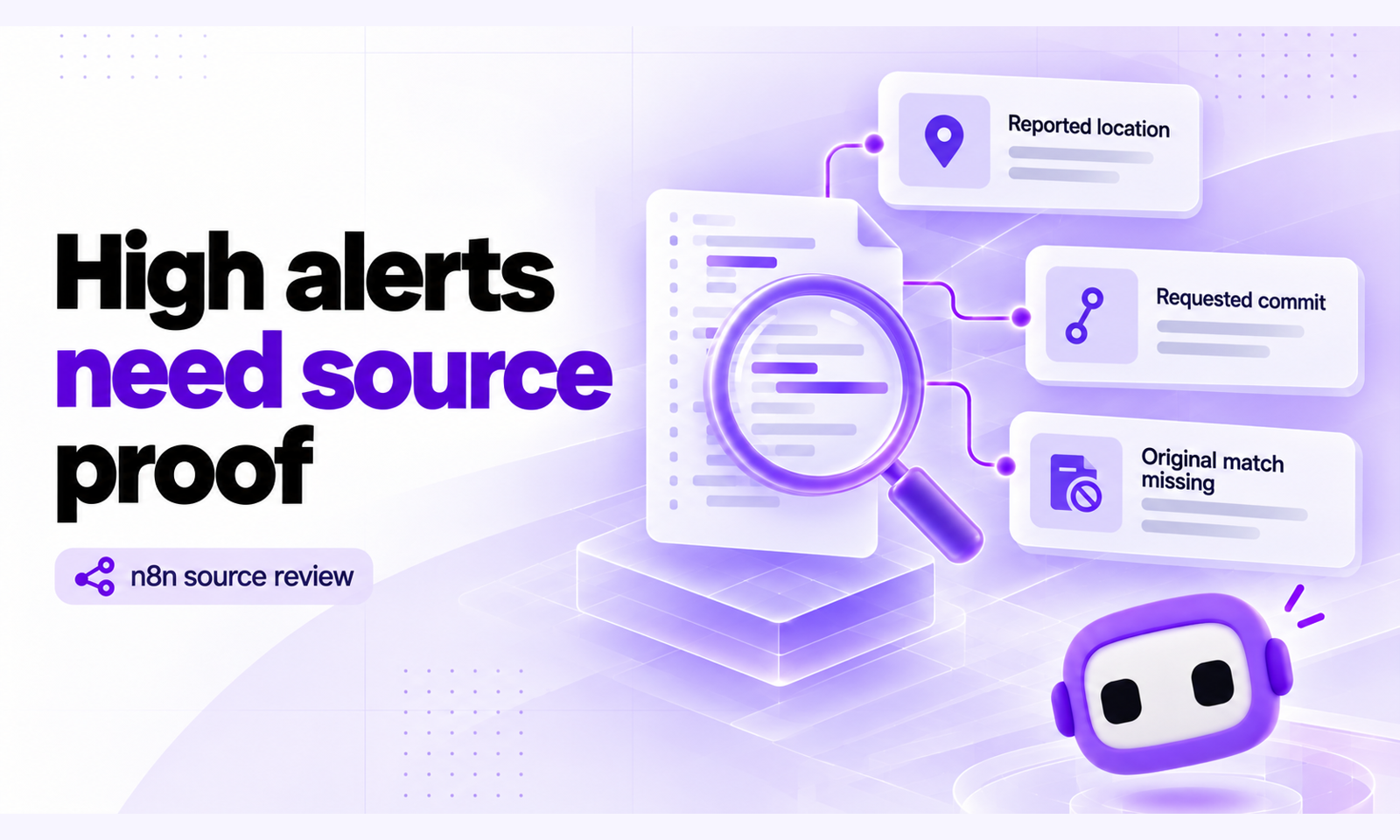
A source review of three high-severity n8n alerts shows why scan provenance and credential context matter before declaring a leak.
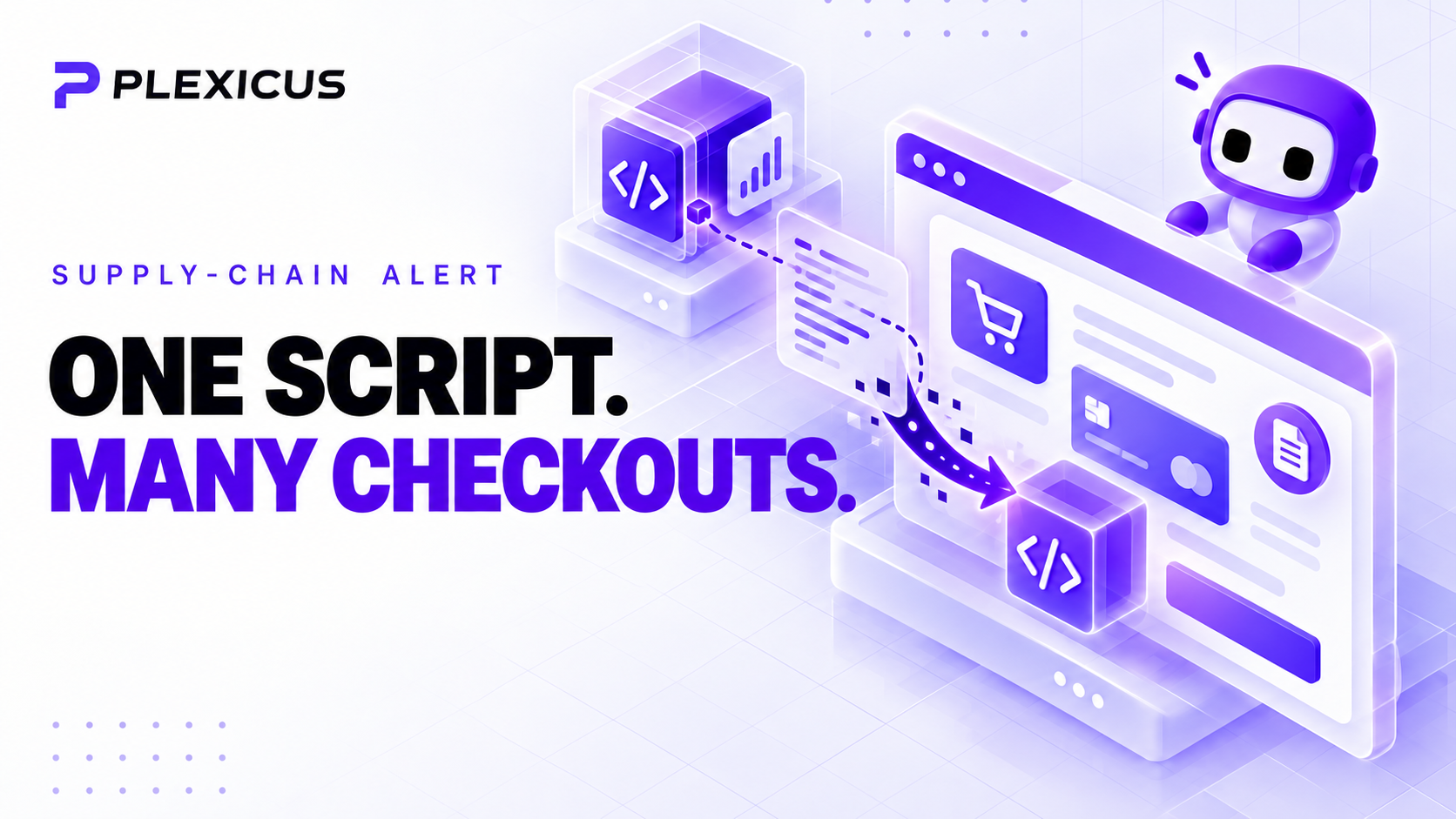
Review browser-loaded scripts, test integrity controls and retain deployment evidence after the Convertr analytics-script incident.
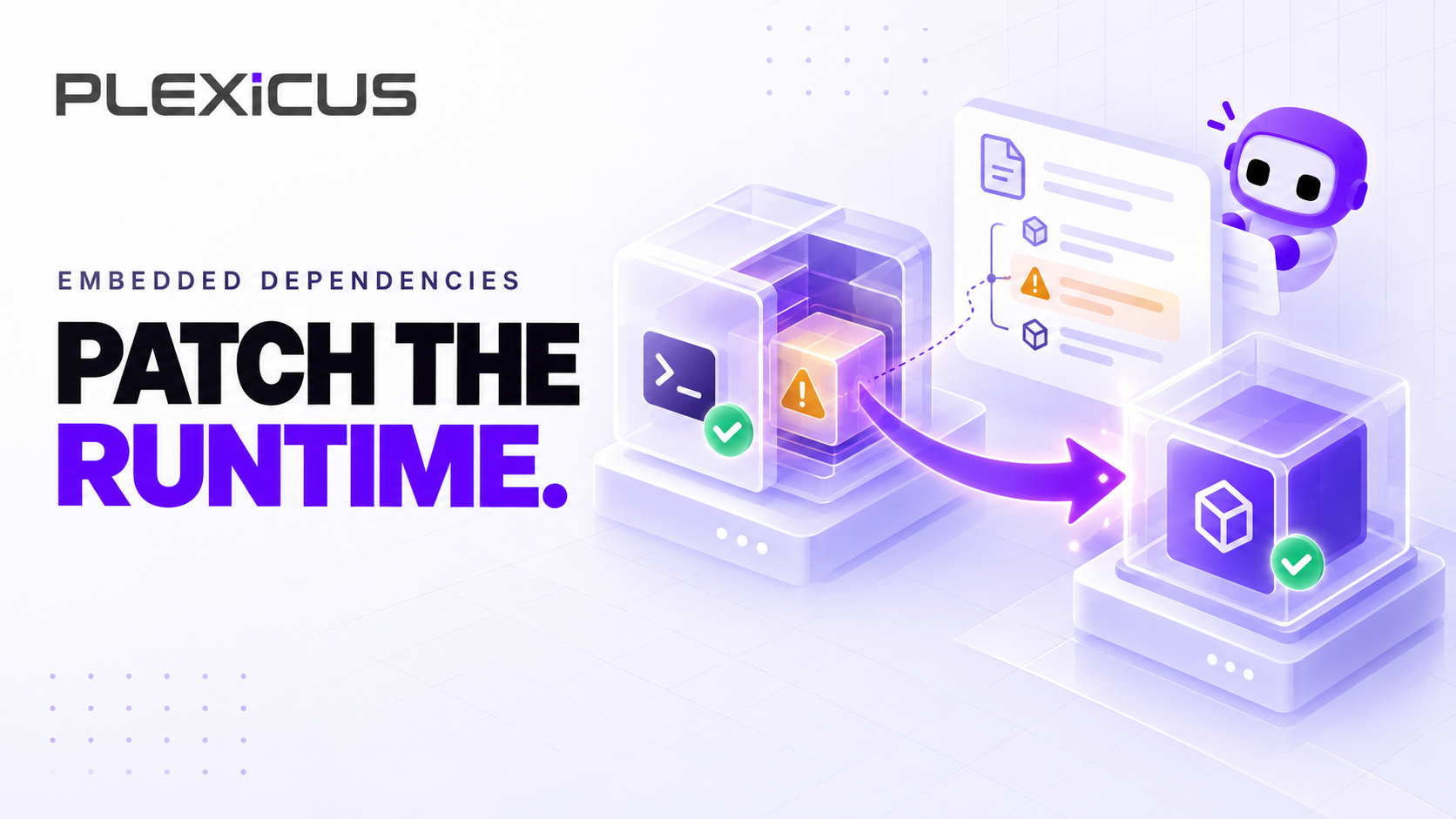
Map embedded Wasmtime dependencies to shipped artifacts, choose the correct advisory fix and verify rebuilt deployments with a Plexicus evidence workflow.
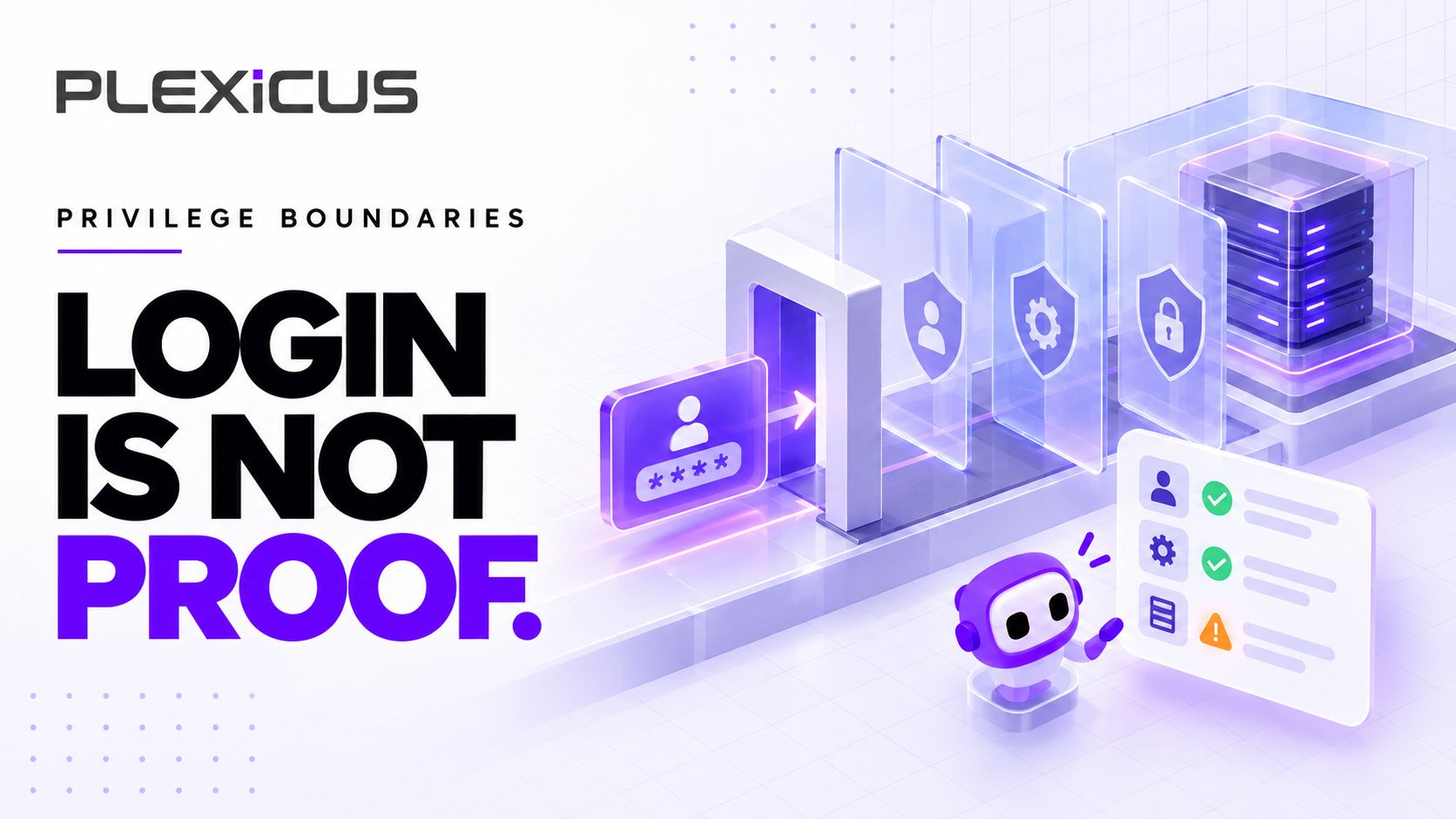
A practical evidence workflow for testing authorization boundaries, connecting code context to impact, and reviewing remediation with Plexicus.
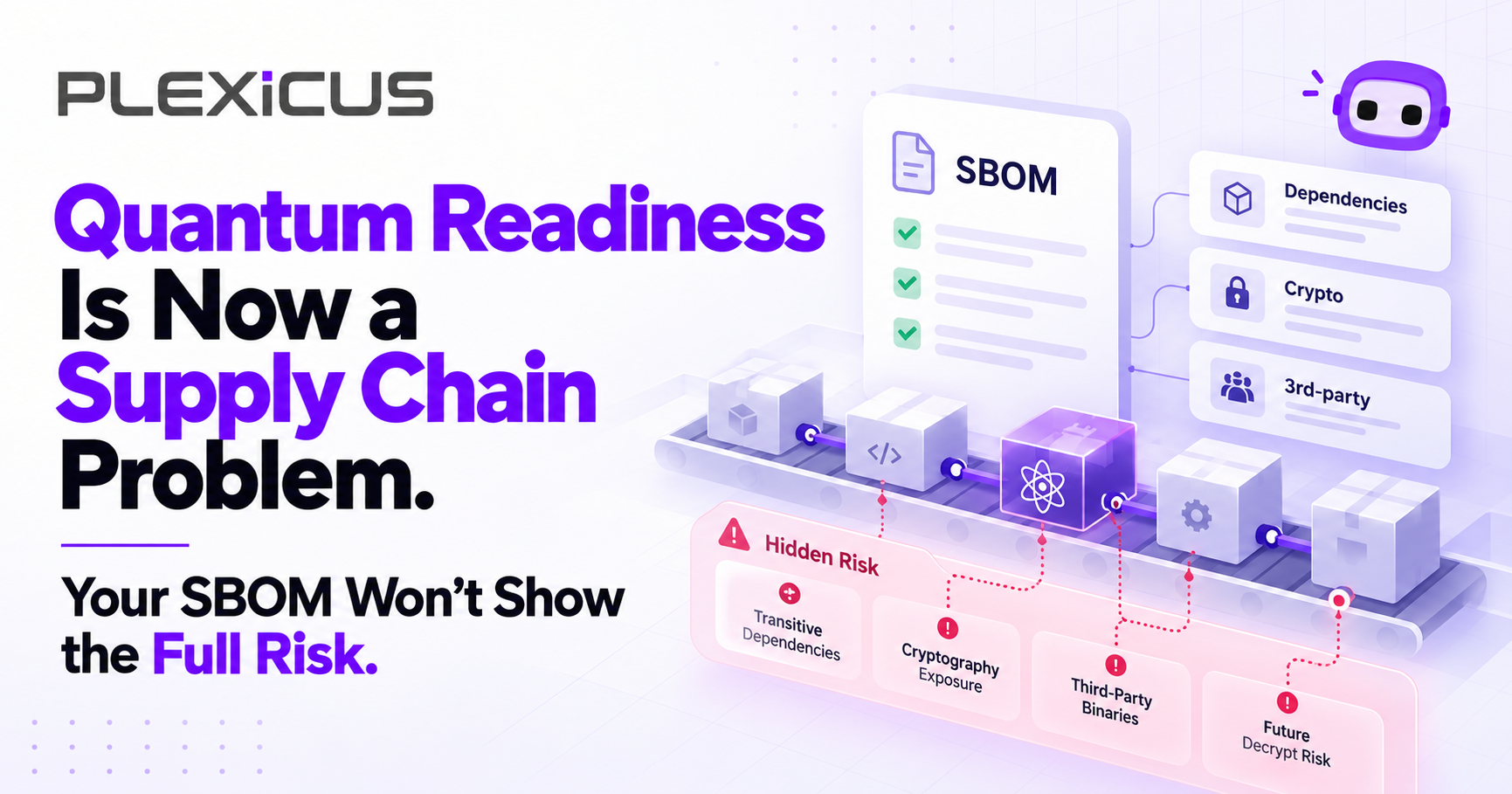
Quantum readiness starts with knowing where cryptography lives. Singapore’s 2026 milestones make discovery urgent, while SBOMs alone cannot show every algorithm, runtime setting or supplier dependency that may need a migration plan.
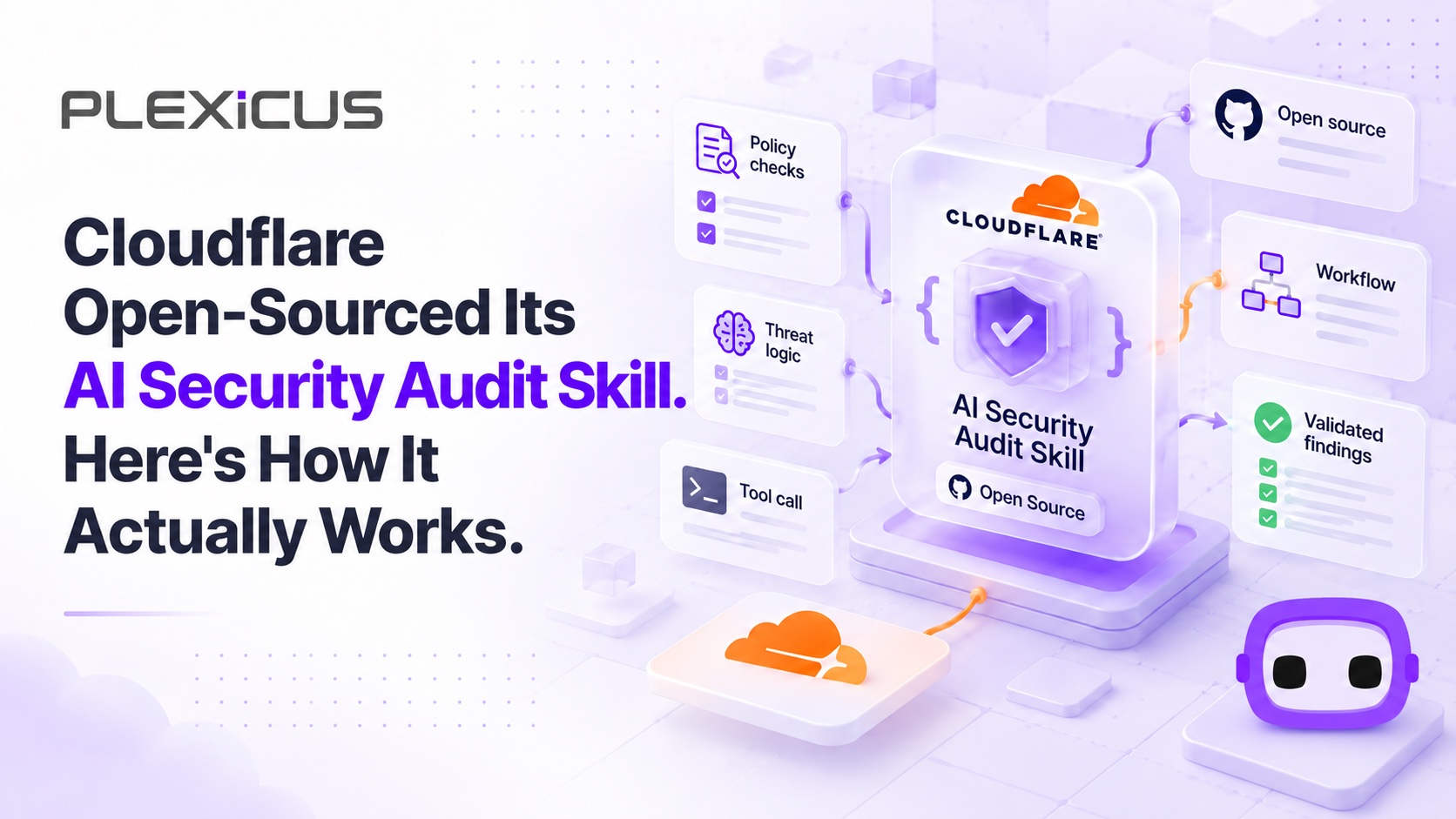
Cloudflare’s open-source coding-agent skill uses coverage-led hunting, independent validation, and structured evidence. Here is what the workflow can—and cannot—establish.
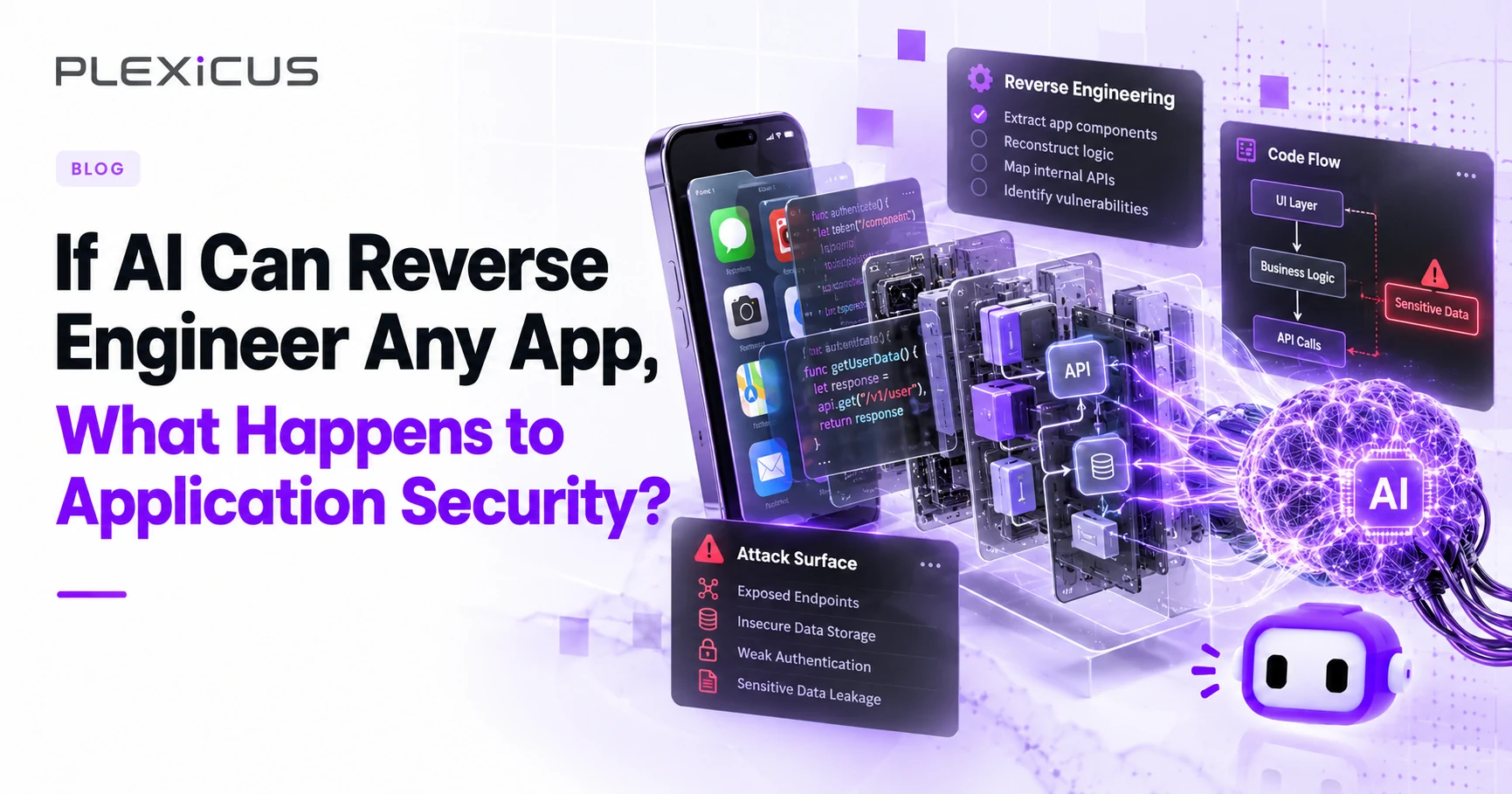
AI can help analysts navigate compiled software, but a decompiler output is not a vulnerability report. See how REA changes analysis, why reverse- engineering agents need protection, and how teams can validate findings.
Three systems asserted a condition and none of them checked whether it still held. A registry reported a package was attested. An evaluation harness reported a model was offline. An assistant reported a package would work.
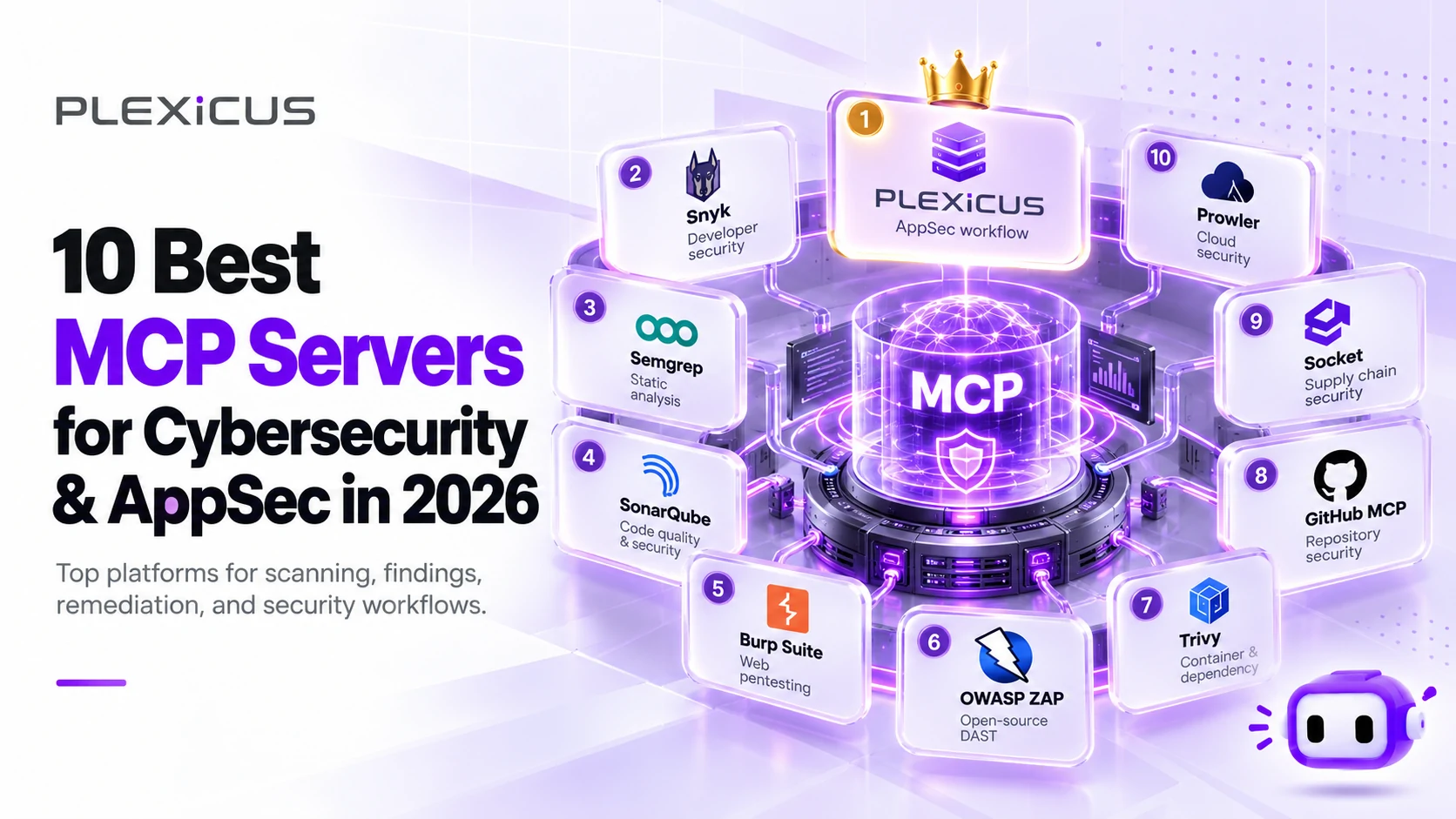
An editorial guide to security MCP integrations for AI-assisted development: repository findings, scanning, web testing, supply chain analysis, and cloud security.
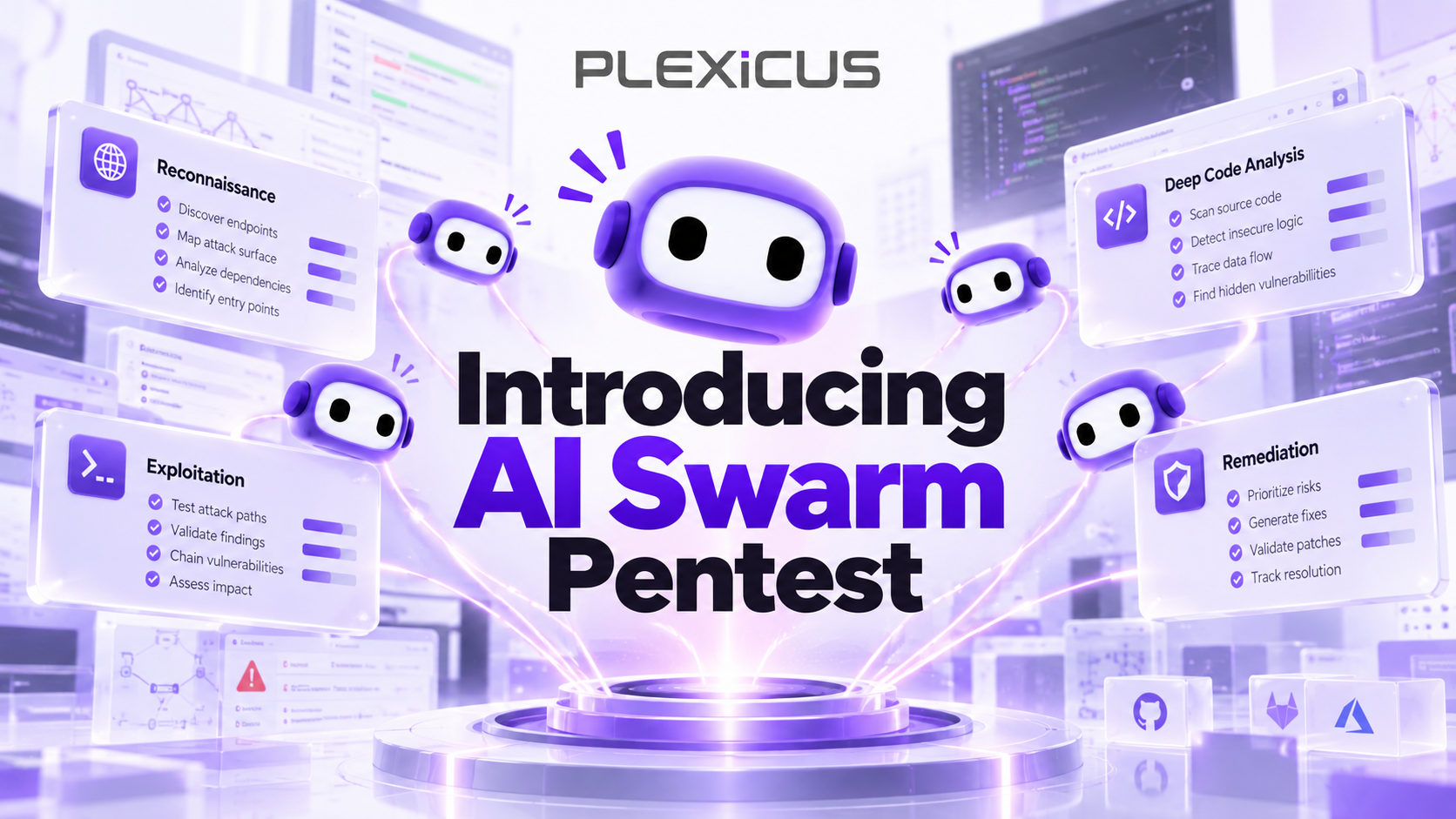
How specialized attack agents share context, challenge hypotheses, and independently verify attack paths inside the Plexicus Proof-Driven AppSec workflow.
A complete guide to application security in 2026, from secure design and software supply chains to testing, exploit validation, remediation, and Proof-Driven AppSec.
A fruit-fly connectome offers a vivid test of a security principle: a demo is not proof until controls show what the advertised system contributes.
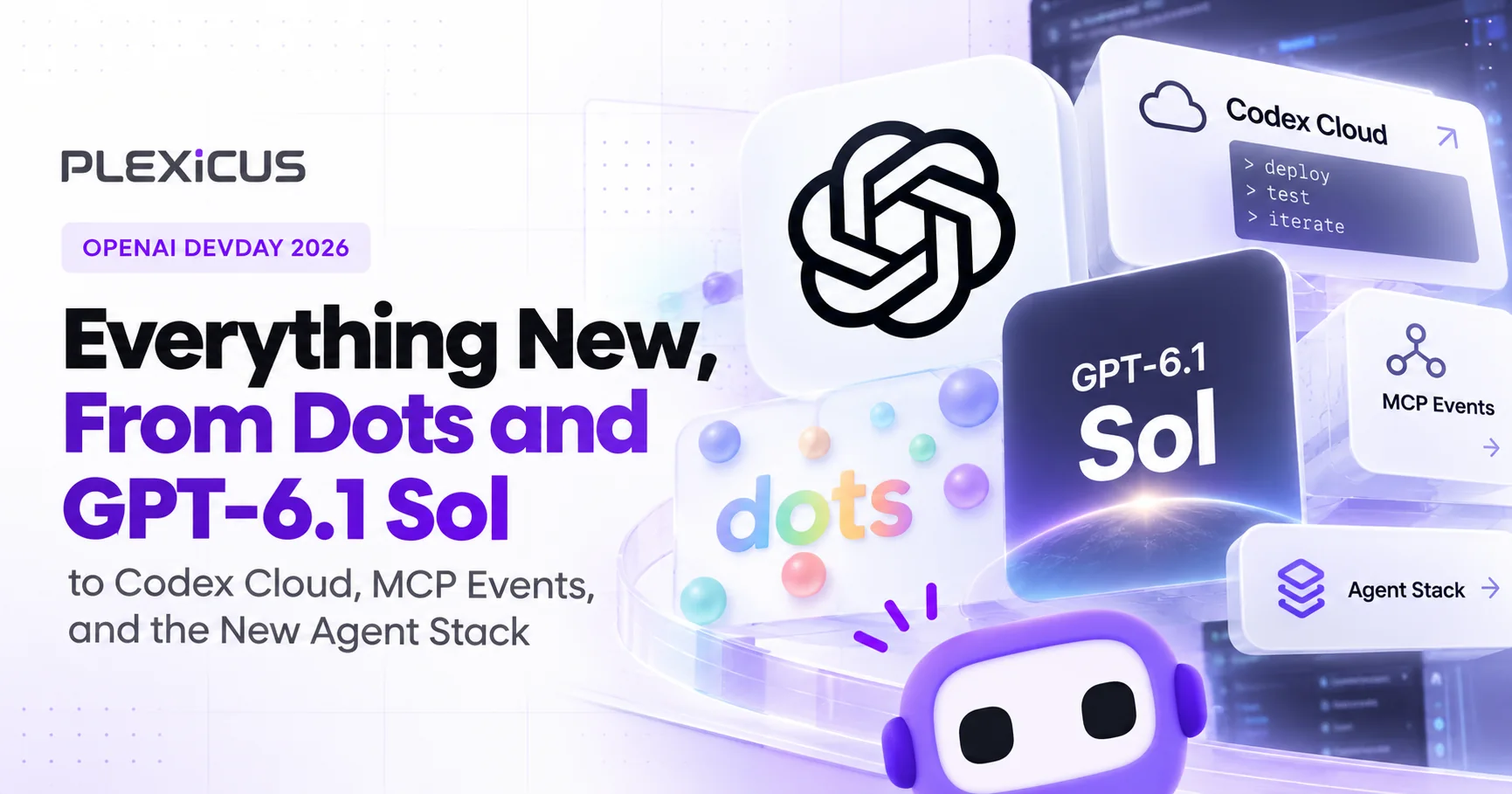
DevDay 2026 connected persistent agents, cloud coding, plugins, events, and shared work. Here is what shipped, what is still coming, and where AppSec boundaries lie.
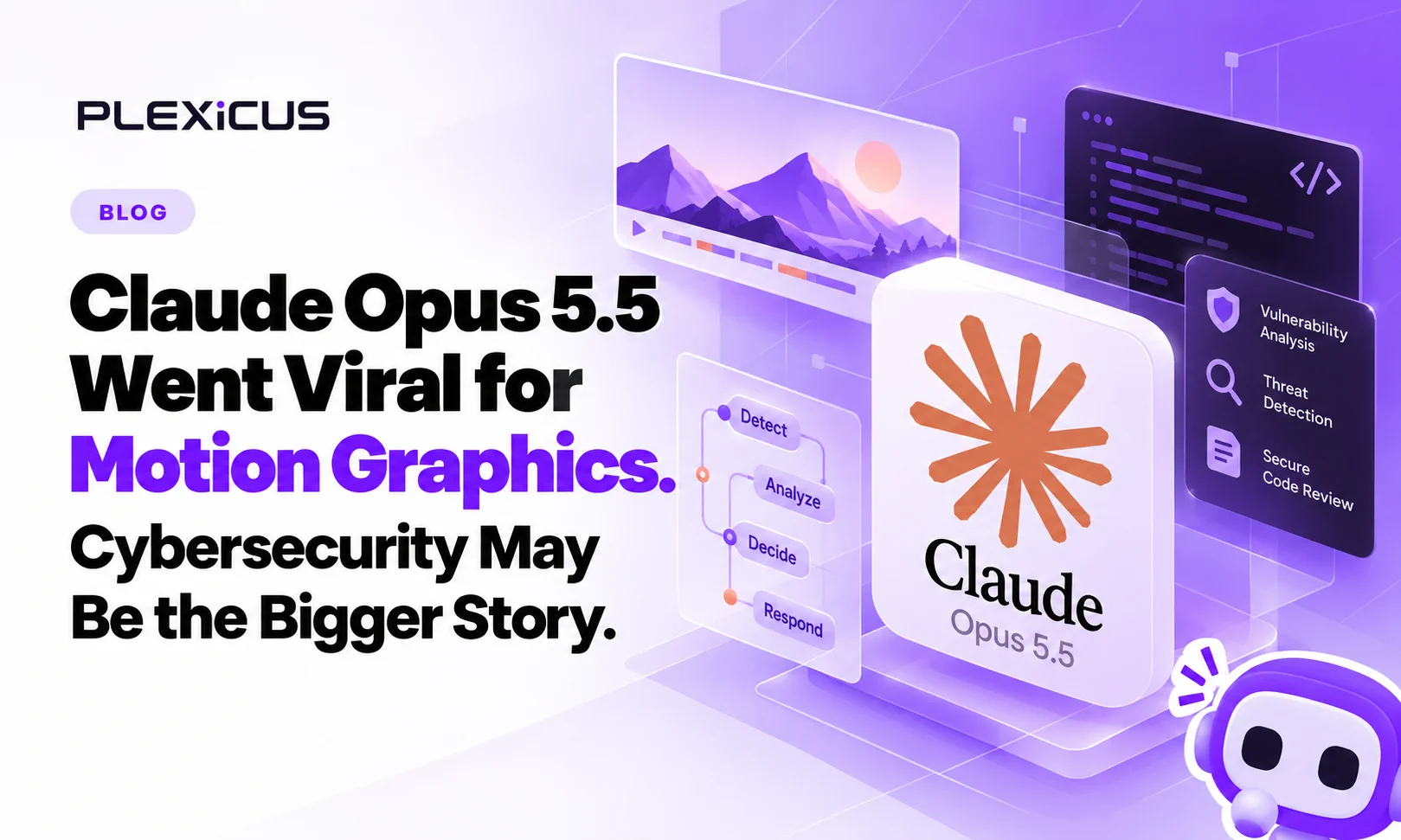
Opus 5.5 motion-graphics demos reveal an agentic loop: plan, write code, run it, inspect, revise. Claude cybersecurity now depends on verification keeping pace.
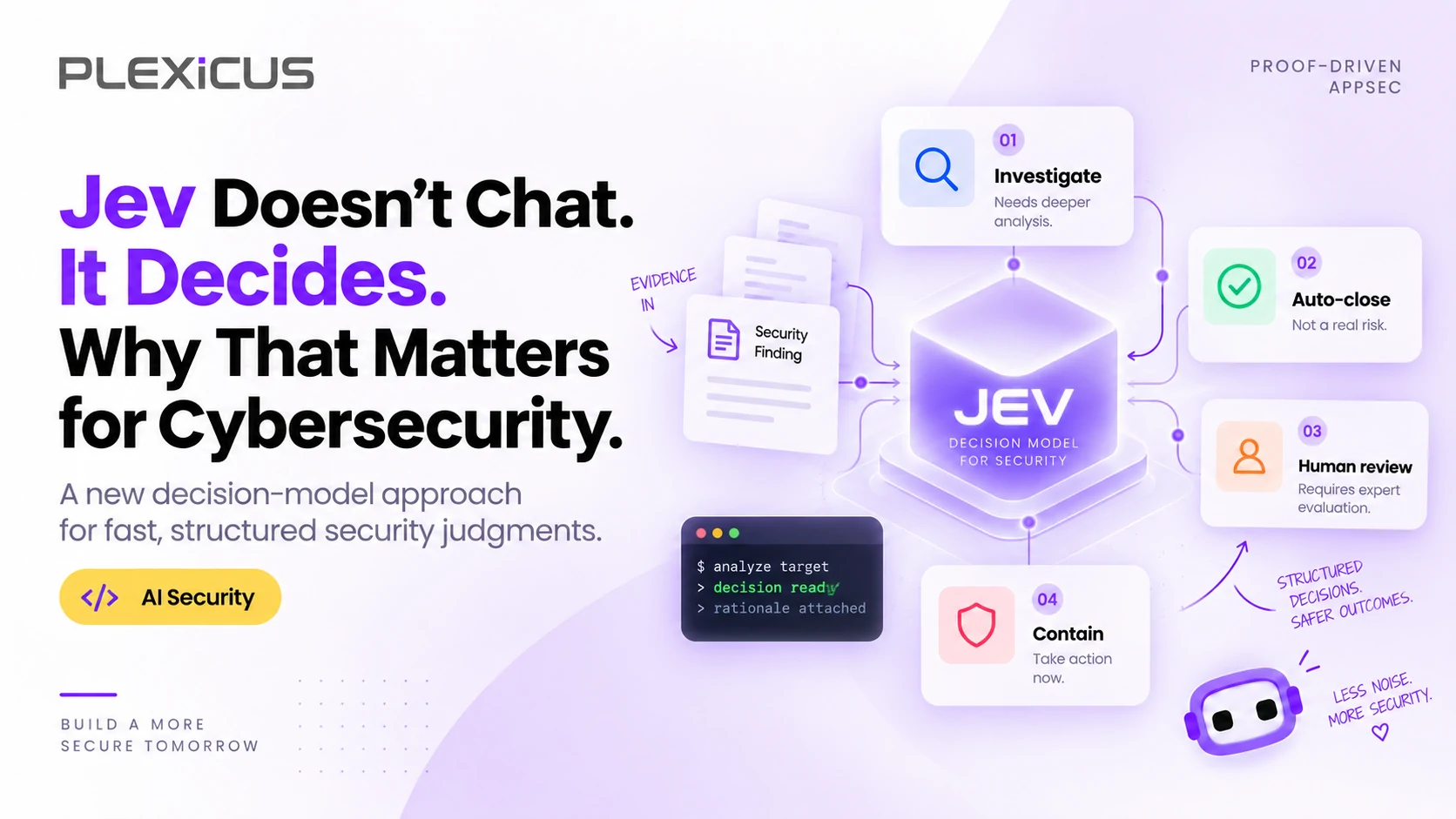
Jev AI returns typed decisions instead of prose. That could change where semantic judgment fits in security workflows, if teams keep policy, fallbacks, verification, and human review.
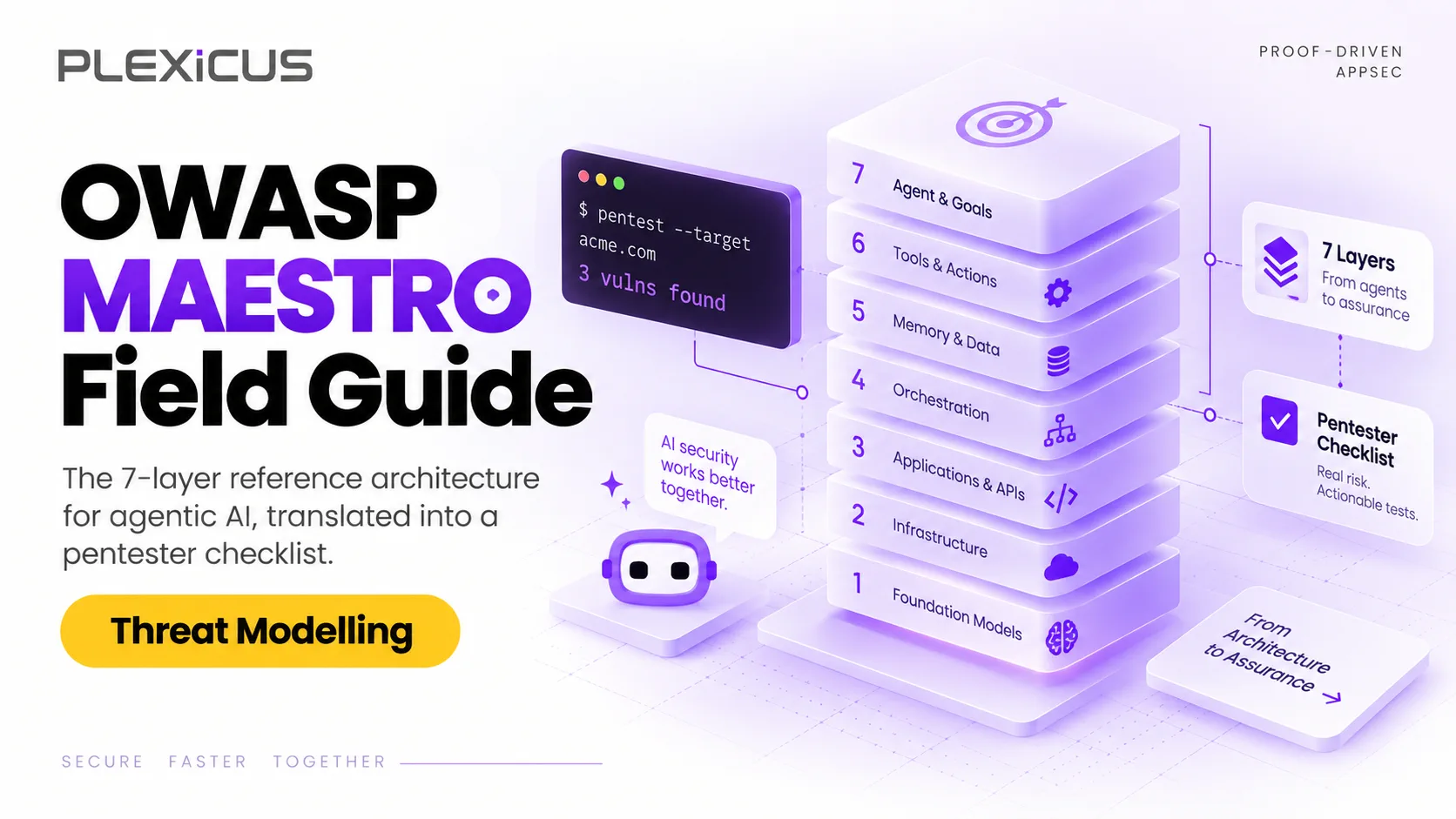
MAESTRO is the Cloud Security Alliance's 7-layer framework for agentic AI threat modeling, applied by the OWASP GenAI Security Project. This guide turns each layer into a pentest checklist.
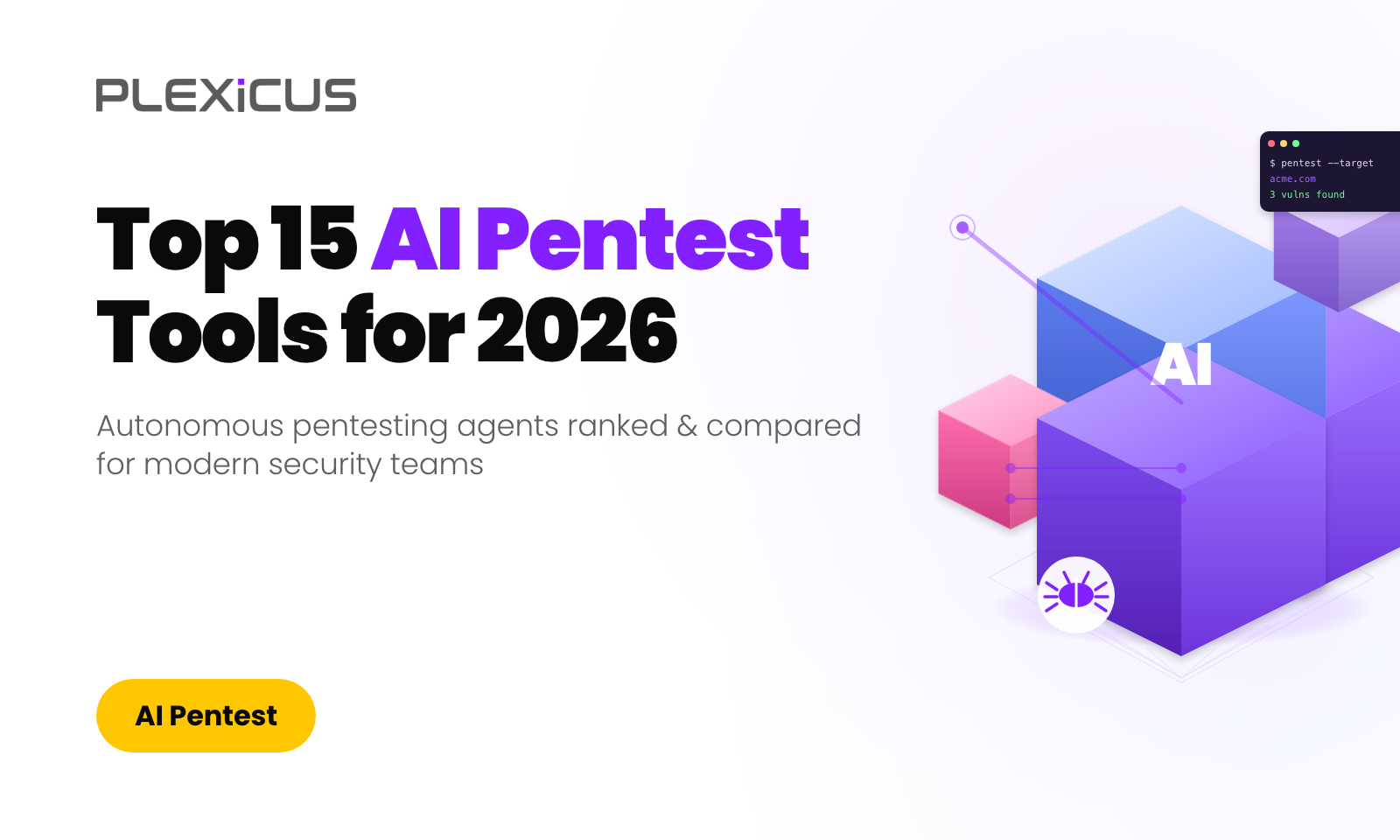
AI penetration testing in 2026 splits into three lanes: autonomous pentest agents, BAS platforms and AI-assisted PTaaS. We compared 15 tools on signed-scope evidence, replay and pricing.
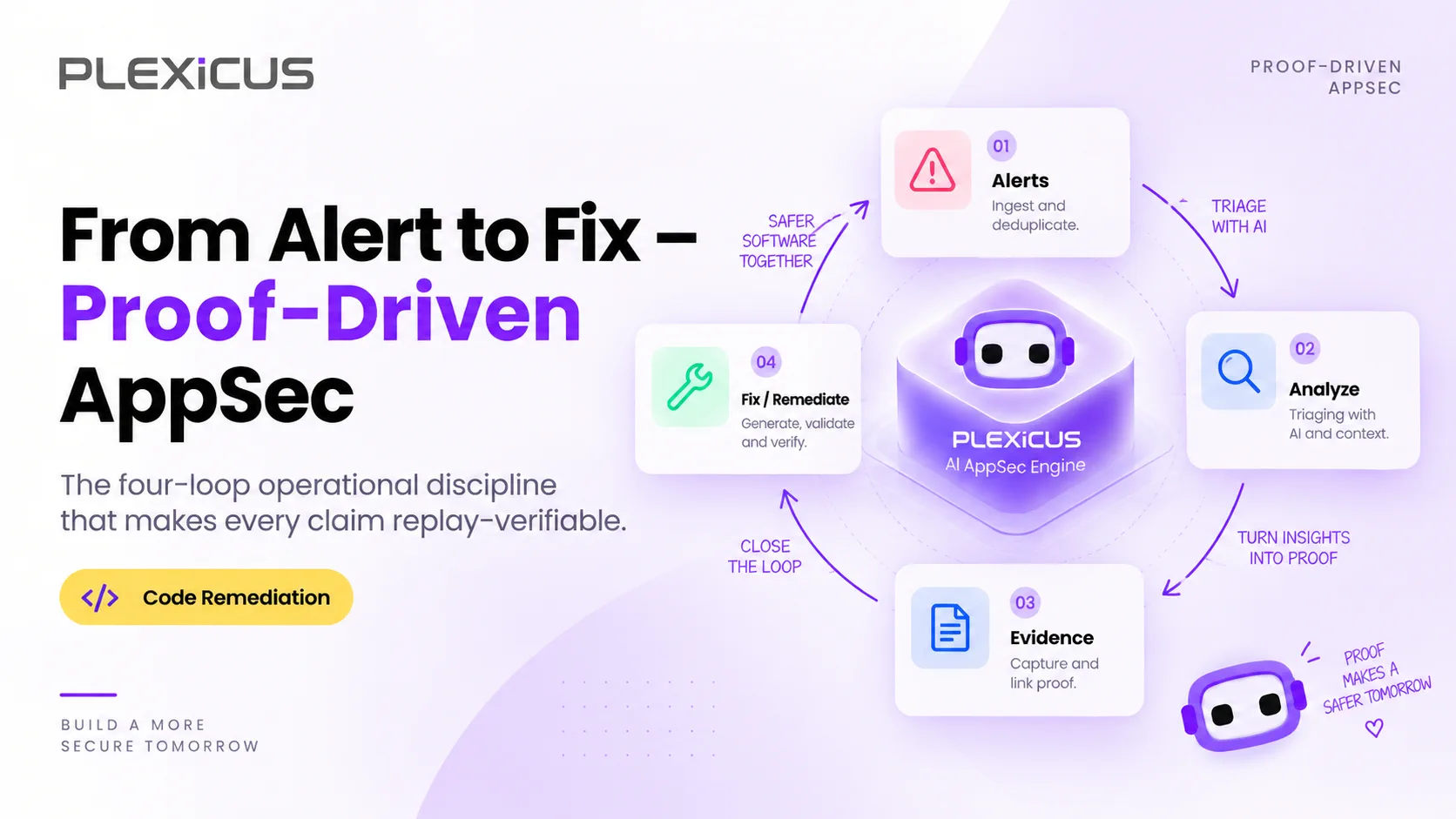
Proof-Driven AppSec is a vulnerability remediation process that closes the loop from alert to merged fix once, with replayable evidence at every step: detect, verify, fix, audit.
AI can remove repetitive AppSec work without removing accountability. Learn how to decide what to automate, what to augment, and when a security decision should be escalated to a person.
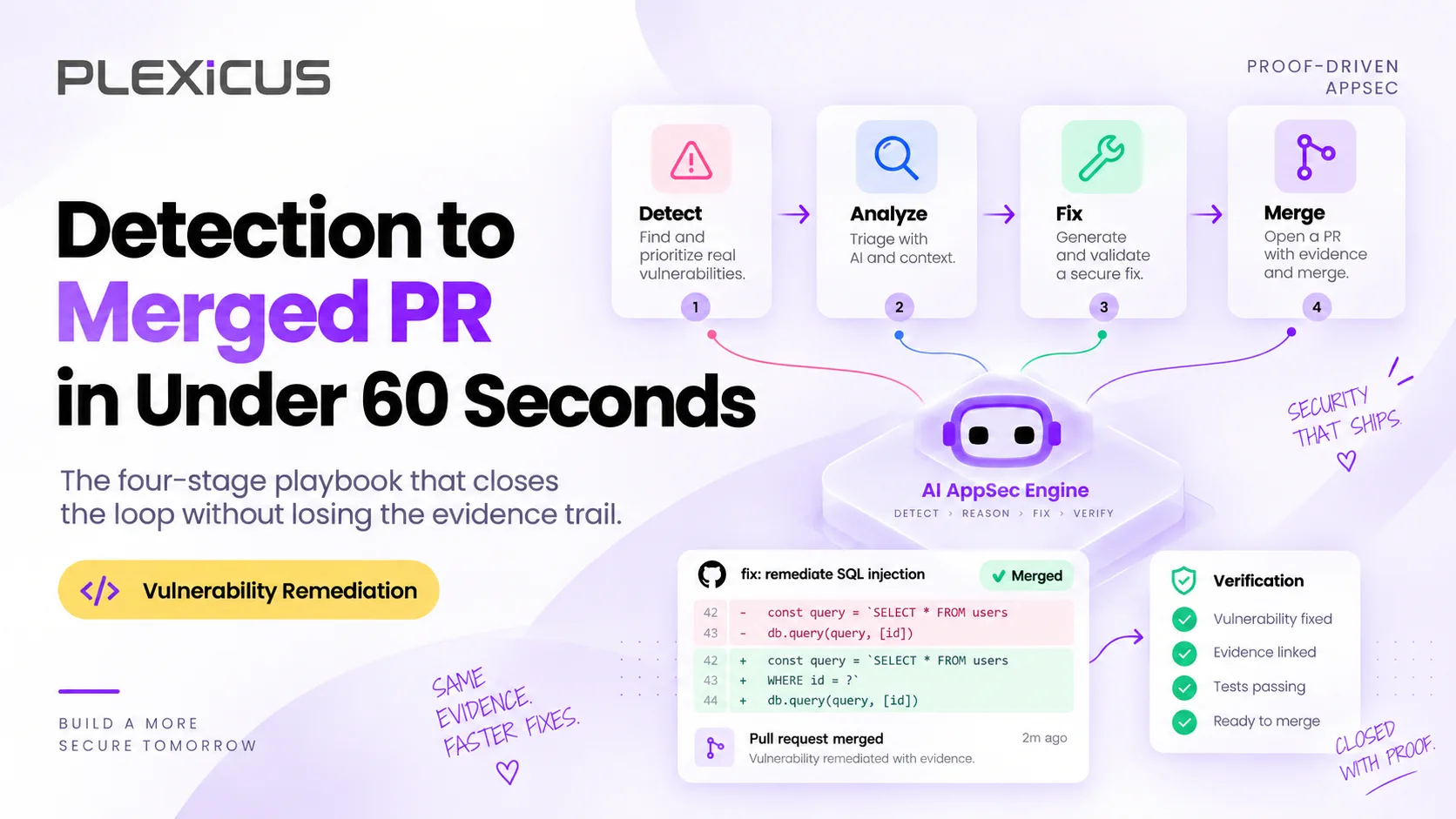
A four-step automated vulnerability remediation playbook that turns a verified finding into a tested, reviewer-ready PR in under 60 seconds, with the evidence attached.
Uruchamianie `trivy image` to nie DevSecOps4to generowanie szumu. Prawdziwe inżynieria bezpieczeństwa to stosunek sygnału do szumu. Ten przewodnik oferuje konfiguracje produkcyjne dla 17 narzędzi branżowych, które zatrzymują podatności bez zatrzymywania biznesu, zorganizowane w trzech fazach: przed zatwierdzeniem, bramki CI i skanowanie w czasie rzeczywistym.
Instalacja narzędzia bezpieczeństwa to łatwa część. Trudności zaczynają się w 'Dniu 2', kiedy to narzędzie zgłasza 5 000 nowych podatności. Ten przewodnik koncentruje się na zarządzaniu podatnościami: jak filtrować duplikaty alertów, zarządzać fałszywymi alarmami i śledzić metryki, które rzeczywiście mierzą sukces. Dowiedz się, jak przejść od 'znajdowania błędów' do 'usuwania ryzyk' bez przytłaczania zespołu.
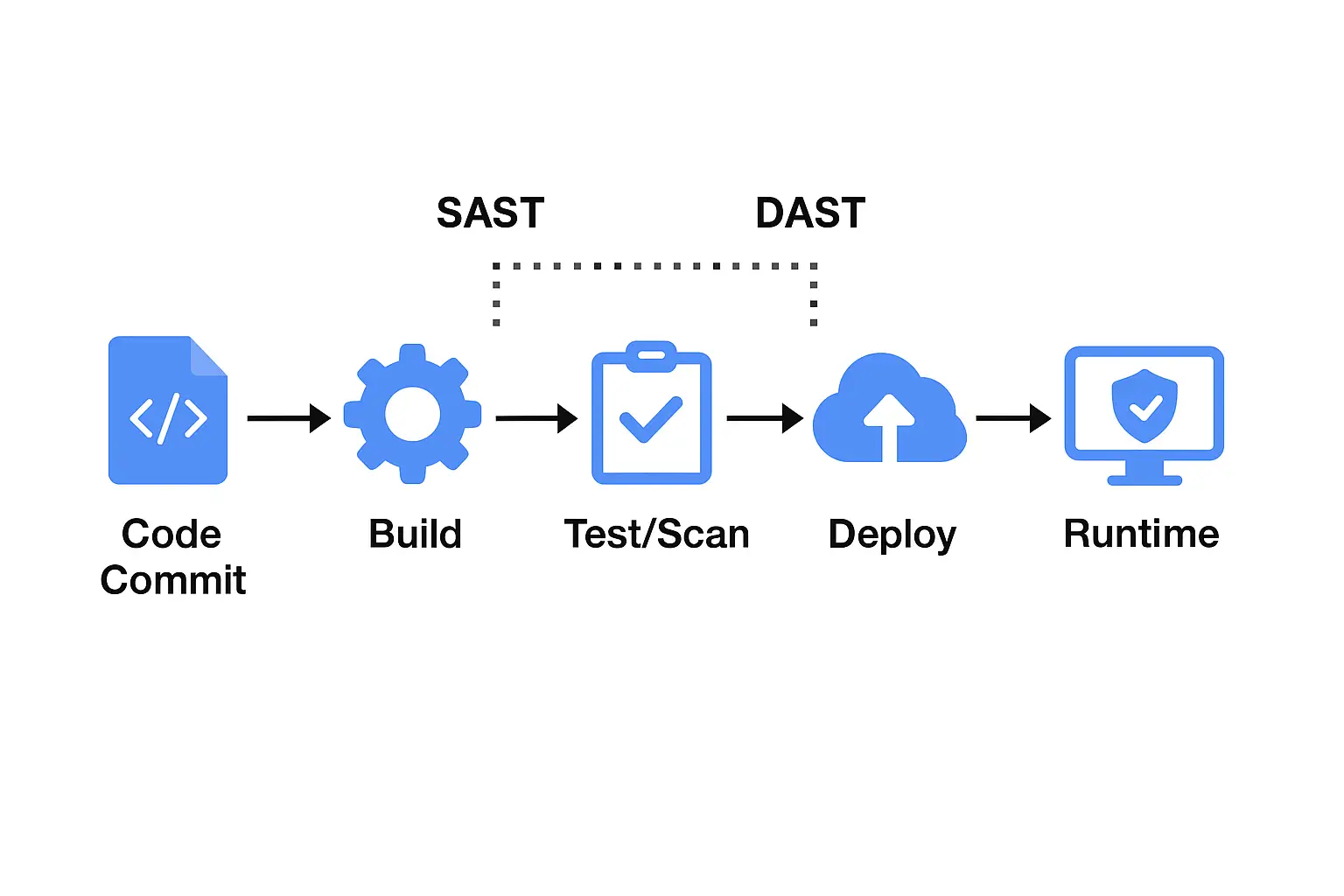
SAST i DAST to metody testowania bezpieczeństwa używane do ochrony aplikacji przed atakami. Aby zobaczyć, jak każda z nich pomaga w bezpieczeństwie aplikacji, przyjrzyjmy się ich różnicom i miejscu w Twoim przepływie pracy.
Porównaj wiodące narzędzia ASPM, takie jak Plexicus, Cycode, Wiz i Apiiro, aby zautomatyzować testowanie AppSec i zarządzanie podatnościami
Odkryj najlepsze narzędzia do zabezpieczania API, aby wykrywać luki, zatrzymywać ataki na API i chronić swoje aplikacje za pomocą zaawansowanego skanowania i testowania.
Nowoczesne aplikacje w dużym stopniu polegają na bibliotekach zewnętrznych i open-source. Przyspiesza to rozwój, ale także zwiększa ryzyko ataków. Każda zależność może wprowadzać problemy, takie jak niezałatane luki w zabezpieczeniach, ryzykowne licencje czy przestarzałe pakiety. Narzędzia do analizy składu oprogramowania (SCA) pomagają rozwiązać te problemy.
Na rynku istnieją dziesiątki narzędzi SAST, od open-source po rozwiązania klasy korporacyjnej. Wyzwanie polega na tym: Które narzędzie SAST jest najlepsze dla Twojego zespołu?
Bezpieczeństwo aplikacji internetowych jest niezbędne do ochrony aplikacji przed cyberatakami, które celują w wrażliwe dane i zakłócają operacje. Ten przewodnik obejmuje znaczenie bezpieczeństwa aplikacji internetowych, powszechne podatności, najlepsze praktyki i metody testowania, pomagając zabezpieczyć aplikację, zapewnić zgodność i utrzymać zaufanie użytkowników
Koszmarne naruszenie bezpieczeństwa stało się rzeczywistością dla wielu europejskich firm. Poznaj 15 transformacyjnych trendów DevSecOps, które musisz znać, aby nie znaleźć się na liście naruszeń.
Plexicus kończy program akceleracyjny Startup Wise Guys Spring Batch 2025.
Jeśli dziś tworzysz lub prowadzisz oprogramowanie, prawdopodobnie żonglujesz mikroserwisami, funkcjami bezserwerowymi, kontenerami, pakietami zewnętrznymi i lawiną pól wyboru zgodności. Każda ruchoma część generuje własne ustalenia, pulpity i gniewne czerwone alerty. Wkrótce widoczność ryzyka przypomina jazdę we mgle w San Francisco o 2 nad ranem — wiesz, że niebezpieczeństwo jest tam, ale nie możesz go do końca dostrzec.
Plexicus pozyskał inwestycję w wysokości 150 000 USD od Microsoftu na rozbudowę infrastruktury chmurowej. To finansowanie poprawi wydajność systemu, skalowalność i niezawodność, umożliwiając Plexicus wspieranie większej liczby firm dzięki rozwiązaniom korporacyjnym opartym na AI.
Dowiedz się, jak nowa integracja BlackDuck w Plexicus poprawia bezpieczeństwo open-source dzięki wykrywaniu podatności w czasie rzeczywistym, automatyzacji priorytetyzacji ryzyka i bezproblemowym przepływom pracy DevSecOps.
Plexicus uruchamia platformę bezpieczeństwa opartą na AI do naprawy luk w zabezpieczeniach w czasie rzeczywistym. Autonomiczne agenty wykrywają, priorytetyzują i natychmiast naprawiają zagrożenia.
Nowa współpraca między Plexicus a Céfiros ma na celu zwiększenie bezpieczeństwa aplikacji w 19 krajach w Ameryce Łacińskiej i na Półwyspie Iberyjskim. Ta współpraca w zakresie cyberbezpieczeństwa wprowadza zaawansowane rozwiązania do zarządzania postawą bezpieczeństwa aplikacji (ASPM) dla organizacji dążących do proaktywnej obrony przed zagrożeniami cybernetycznymi.
Ramki takie jak DORA, ISO 27001 i NIST SP 800-53 są niezbędne dla solidnego zarządzania postawą bezpieczeństwa aplikacji, pomagając organizacjom spełniać standardy, redukować ryzyko i utrzymywać zgodność z przepisami.
Plexicus is Proof-Driven AppSec: validated findings, contextual understanding, and reviewed remediation — anchored in evidence, scoped with you.