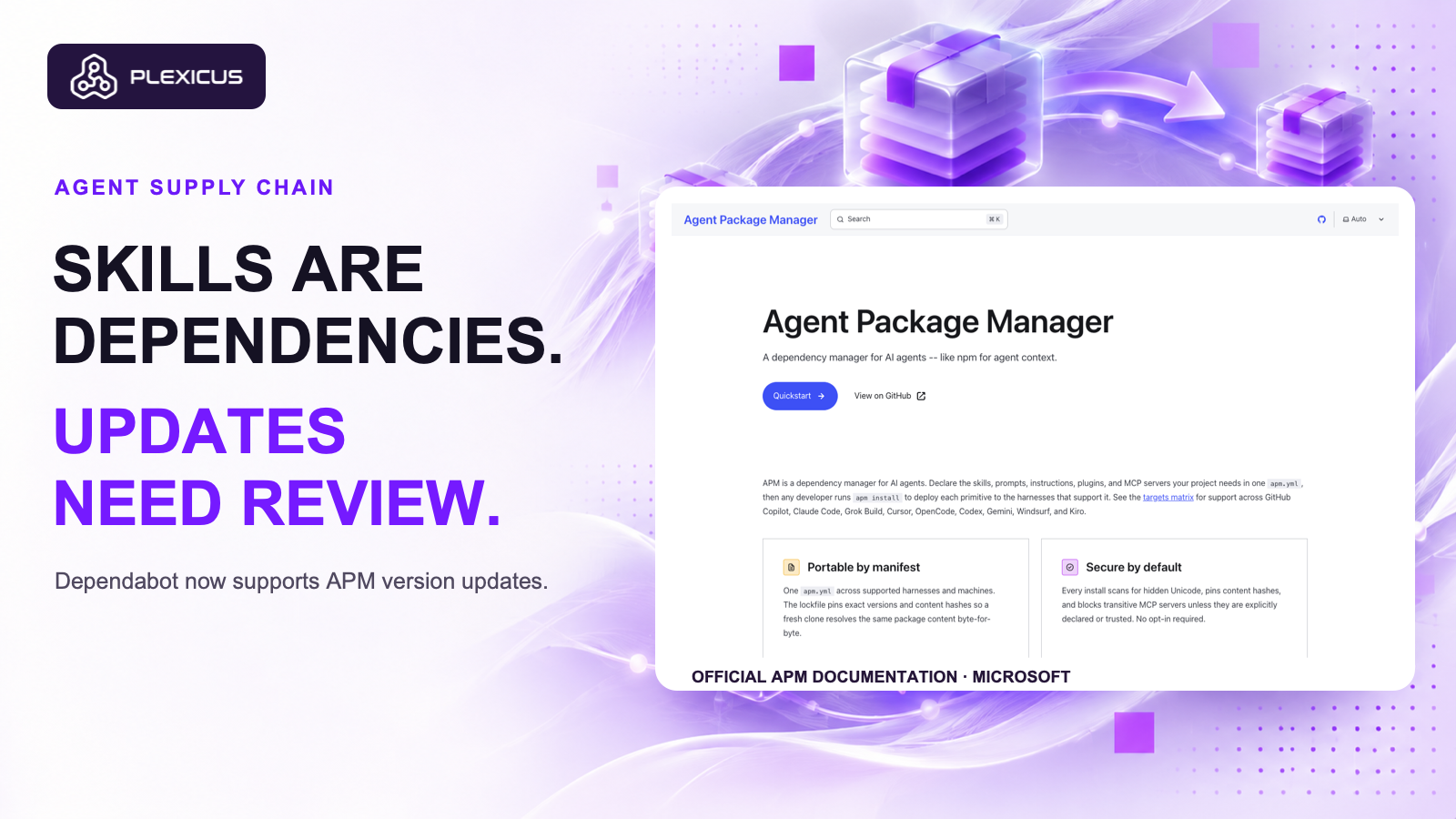
Dependabot Can Update AI Agent Skills. Who Reviews What Changed?
Dependabot can propose version updates for agent dependencies. The change puts skills and instructions into an existing review workflow.
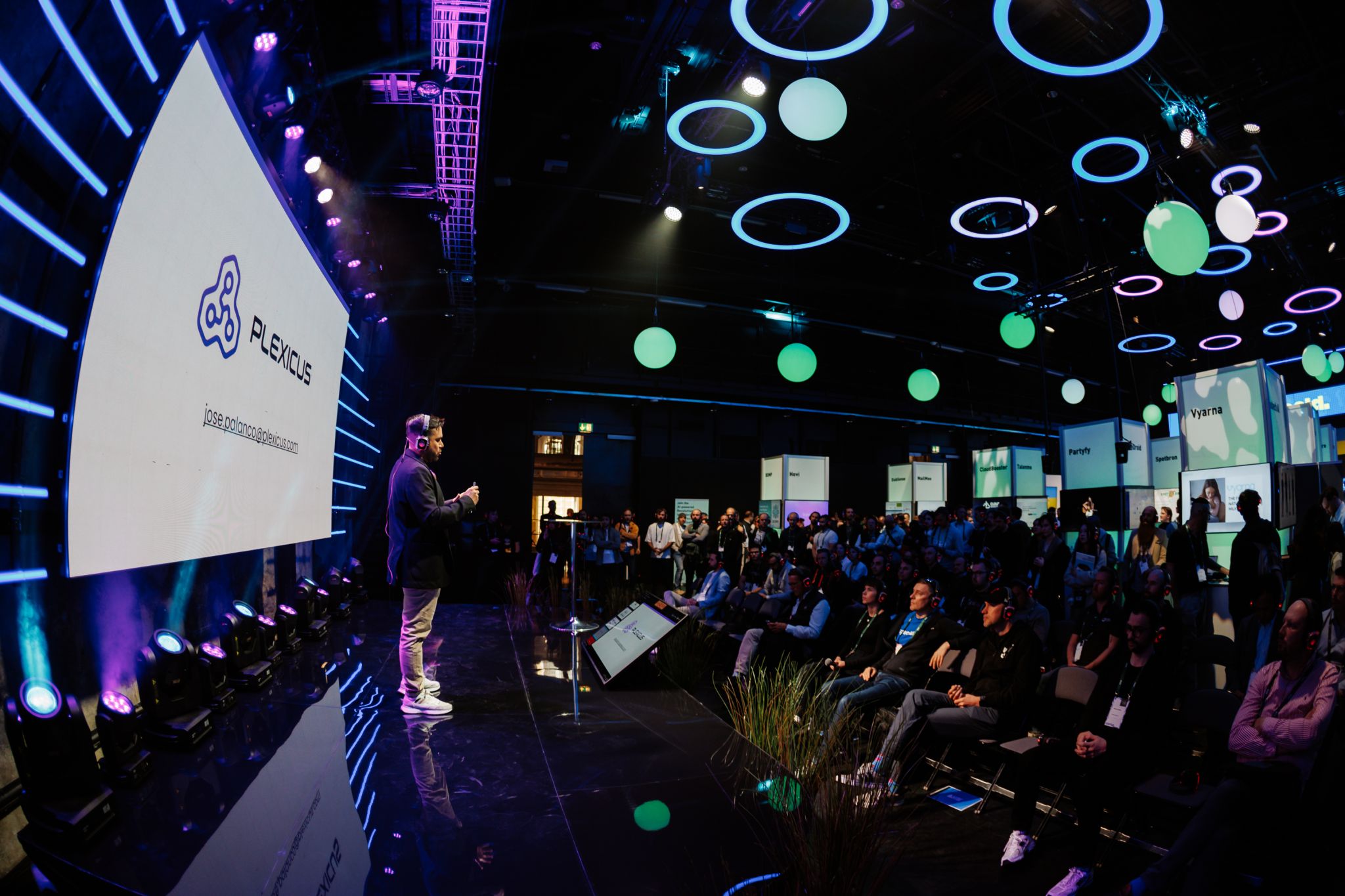
José Ramón Palanco is the CEO/CTO of Plexicus, a pioneering company in ASPM (Application Security Posture Management) launched in 2024, offering AI-powered remediation capabilities. Previously, he founded Dinoflux in 2014, a Threat Intelligence startup that was acquired by Telefonica, and has been working with 11paths since 2018. His experience includes roles at Ericsson`s R&D department and Optenet (Allot). He holds a Telecommunications Engineering degree from the University of Alcala de Henares and a Master`s in IT Governance from the University of Deusto. As a recognized cybersecurity expert, he has been a speaker at various prestigious conferences including OWASP, ROOTEDCON, ROOTCON, MALCON, and FAQin. His contributions to the cybersecurity field include multiple CVE publications and the development of various open source tools such as nmap-scada, ProtocolDetector, escan, pma, EKanalyzer, SCADA IDS, and more.
Dependabot can propose version updates for agent dependencies. The change puts skills and instructions into an existing review workflow.
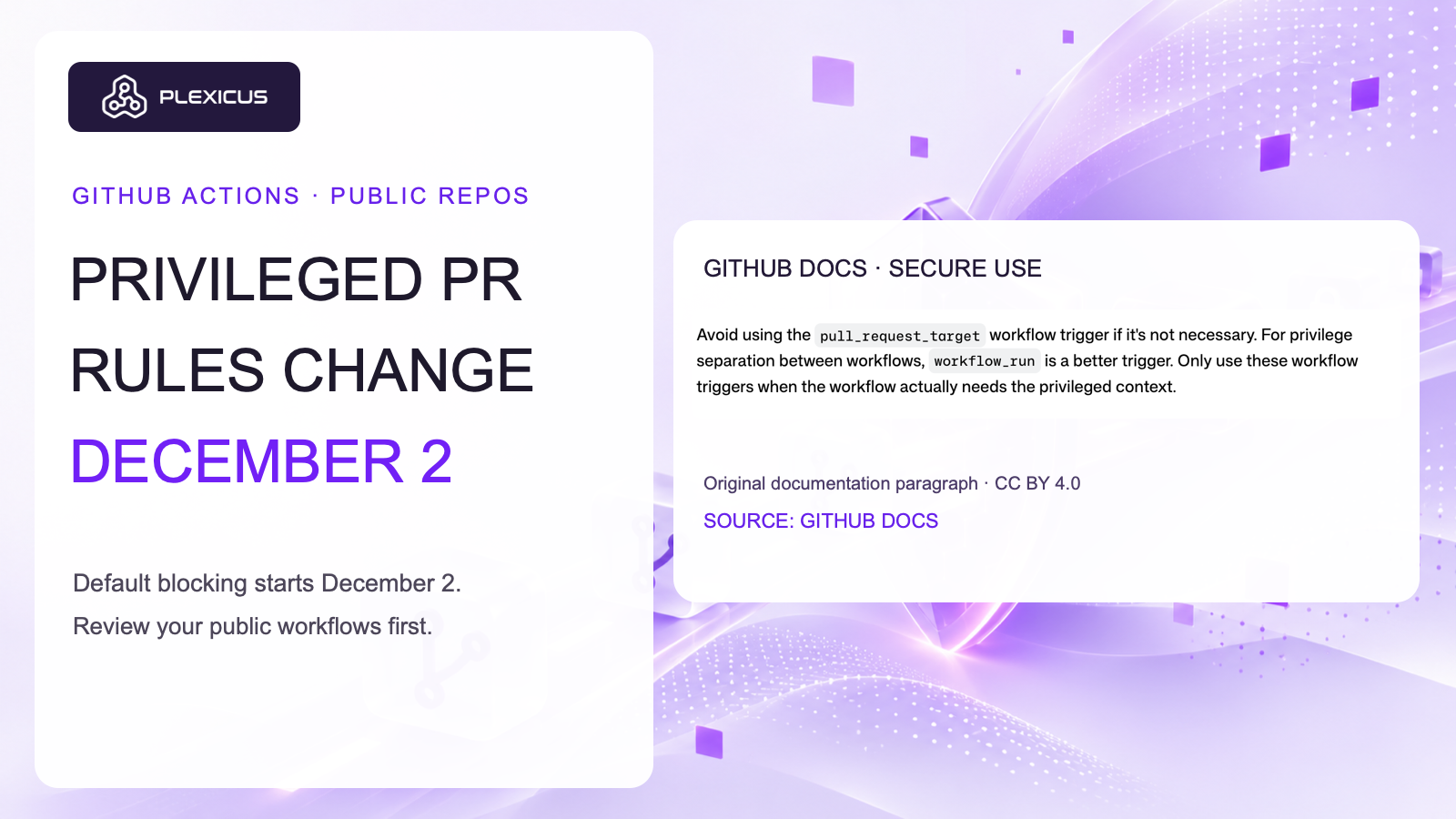
A GitHub Actions policy change puts privileged pull request workflows under scrutiny. Here is what maintainers can do before enforcement.
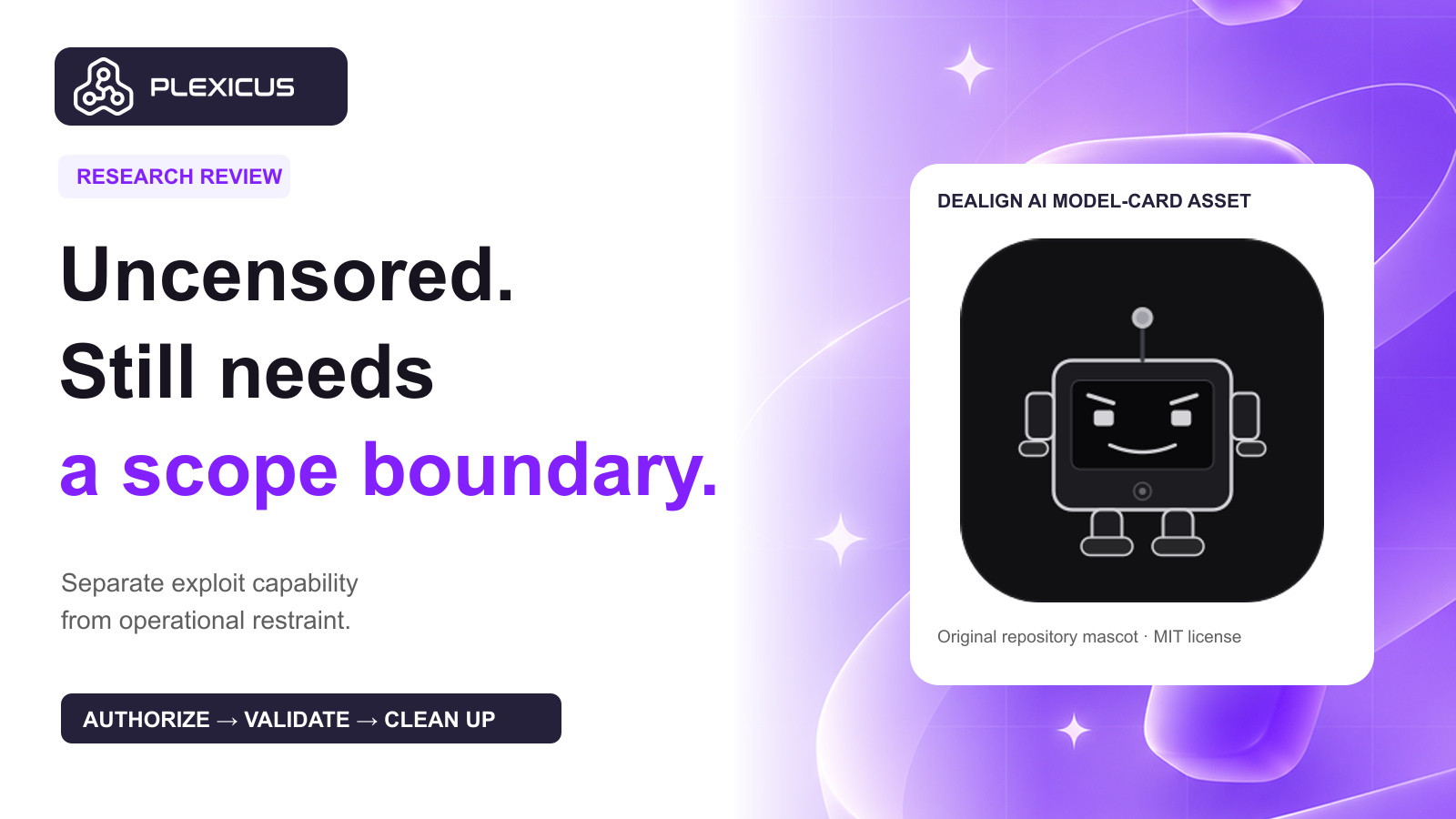
An internal DeepSeek evaluation separates exploit capability from operational restraint. Define scope, evidence and cleanup before autonomous testing.
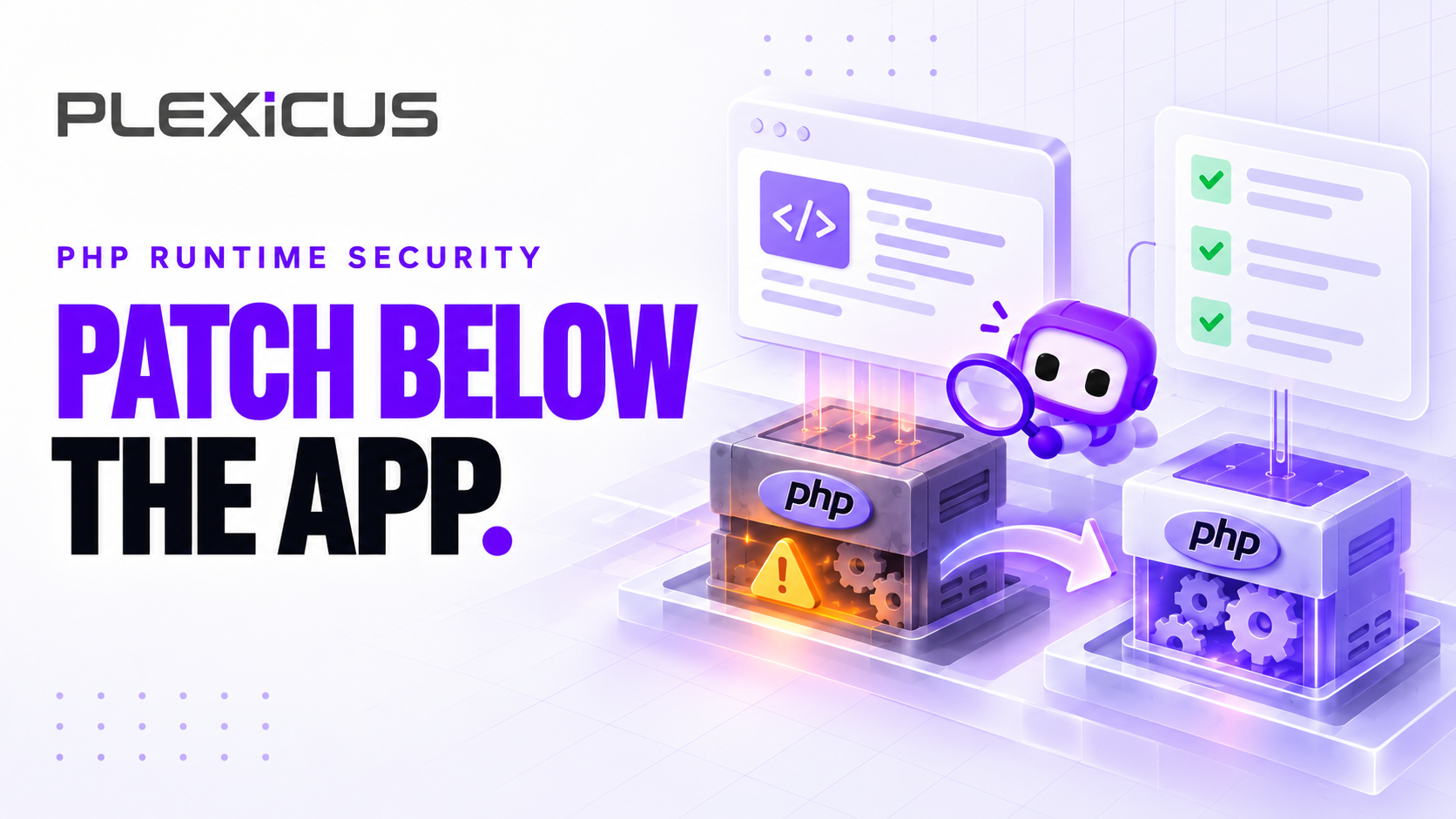
Separate PHP runtime exposure from application findings, verify worker replacement and keep remediation evidence reviewable with Plexicus.
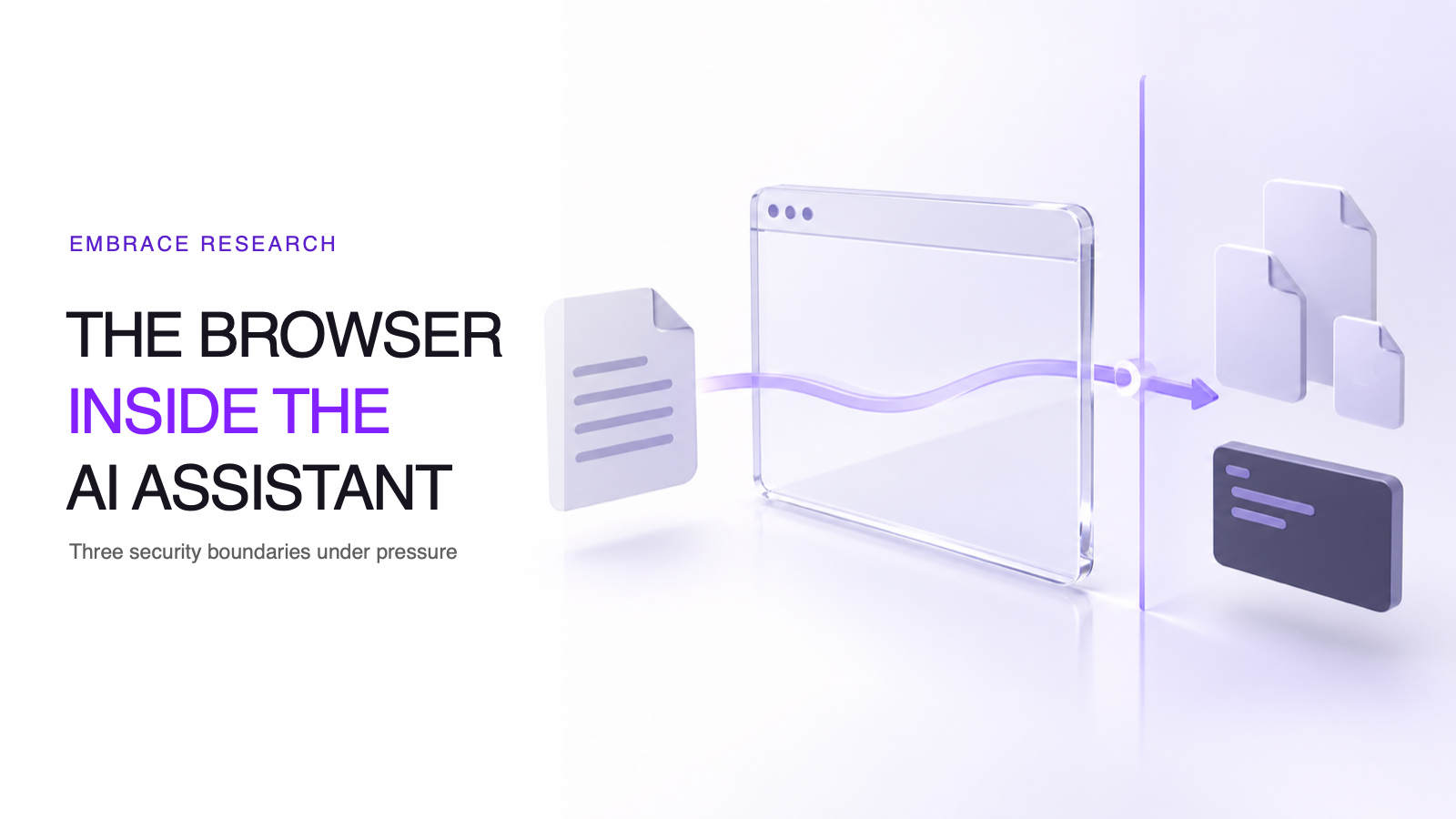
EMBRACE is a useful reminder that an embedded browser does not automatically keep the security boundaries of a standalone browser.
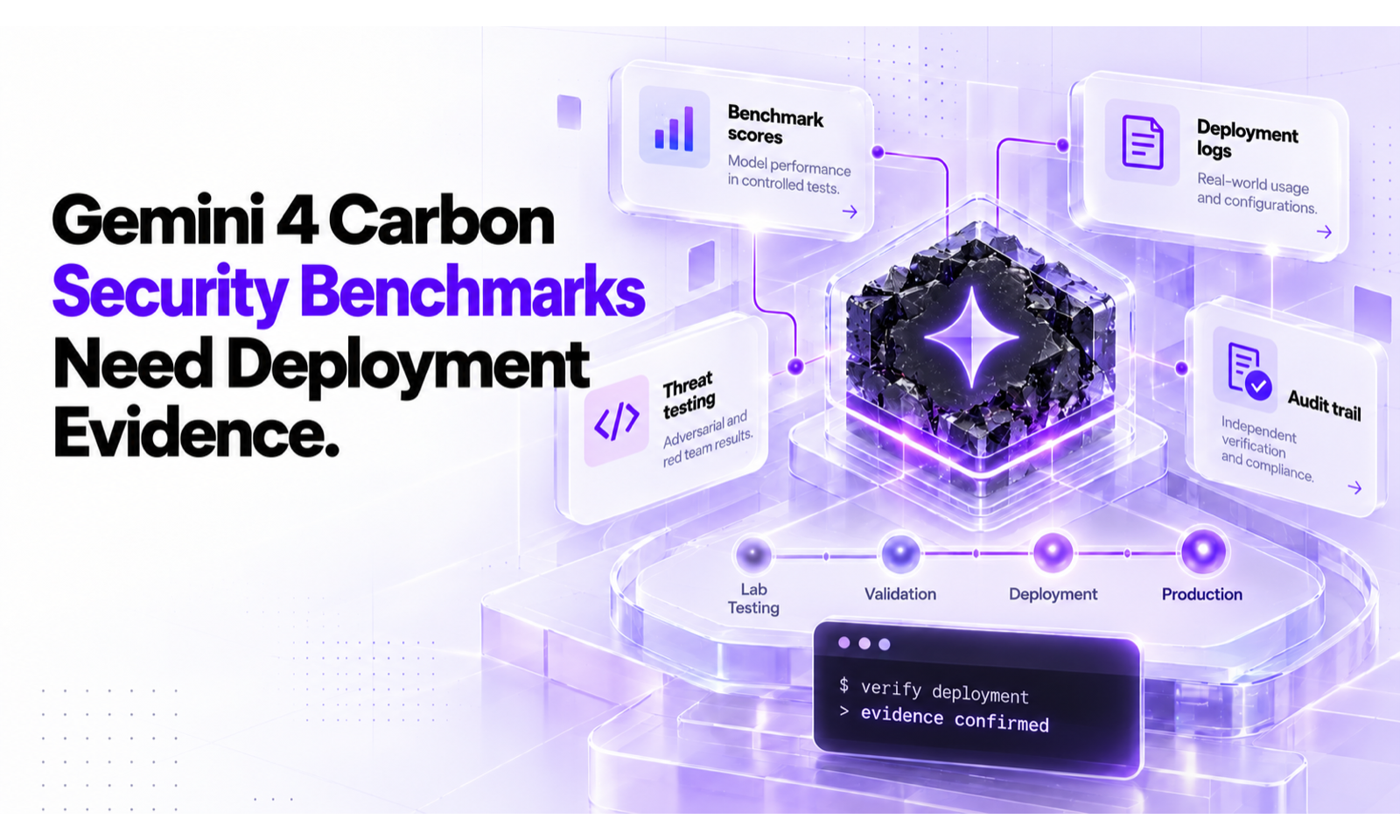
Turn AI security benchmark claims into a scoped evaluation with reproducible findings, reviewed patches and deployment retests.
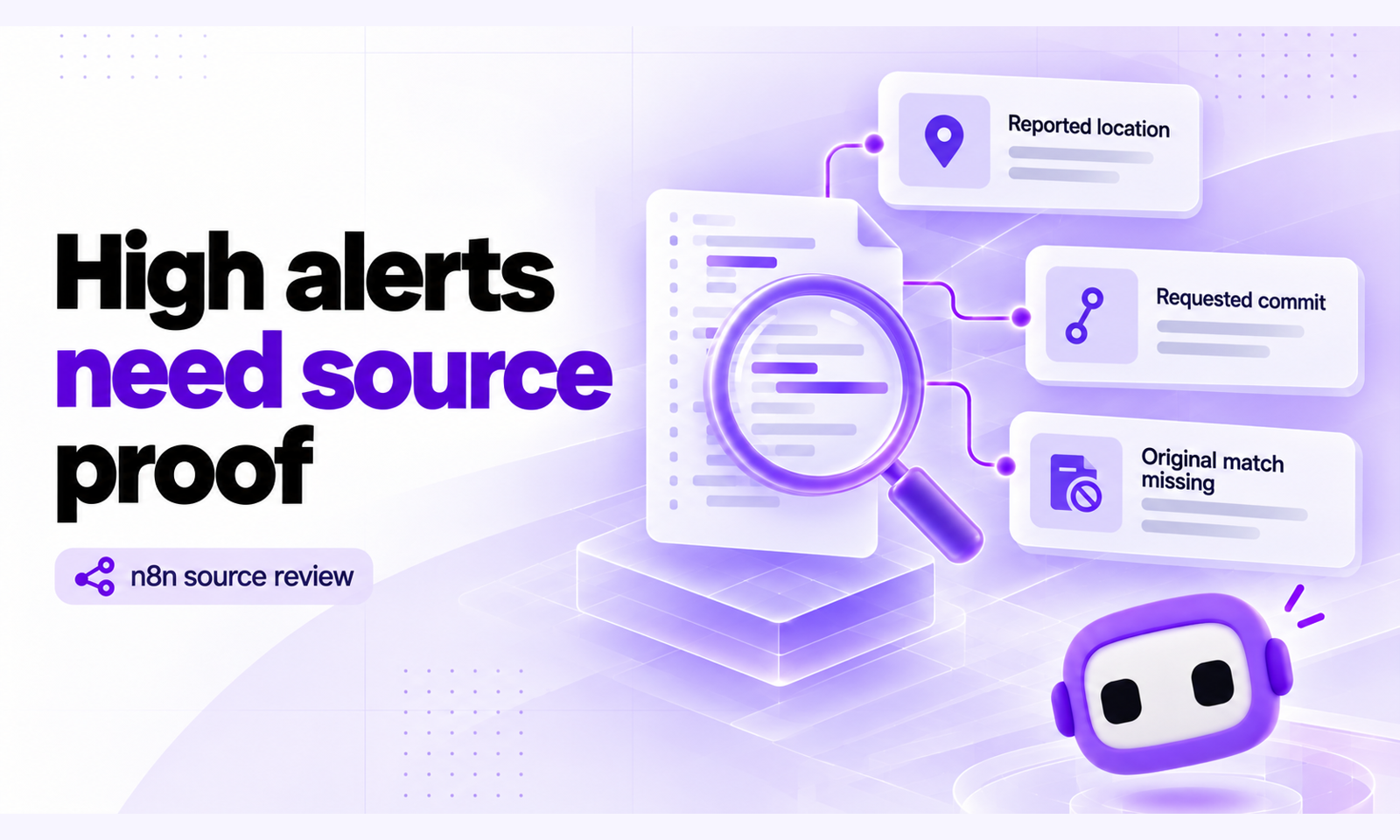
A source review of three high-severity n8n alerts shows why scan provenance and credential context matter before declaring a leak.
Review browser-loaded scripts, test integrity controls and retain deployment evidence after the Convertr analytics-script incident.
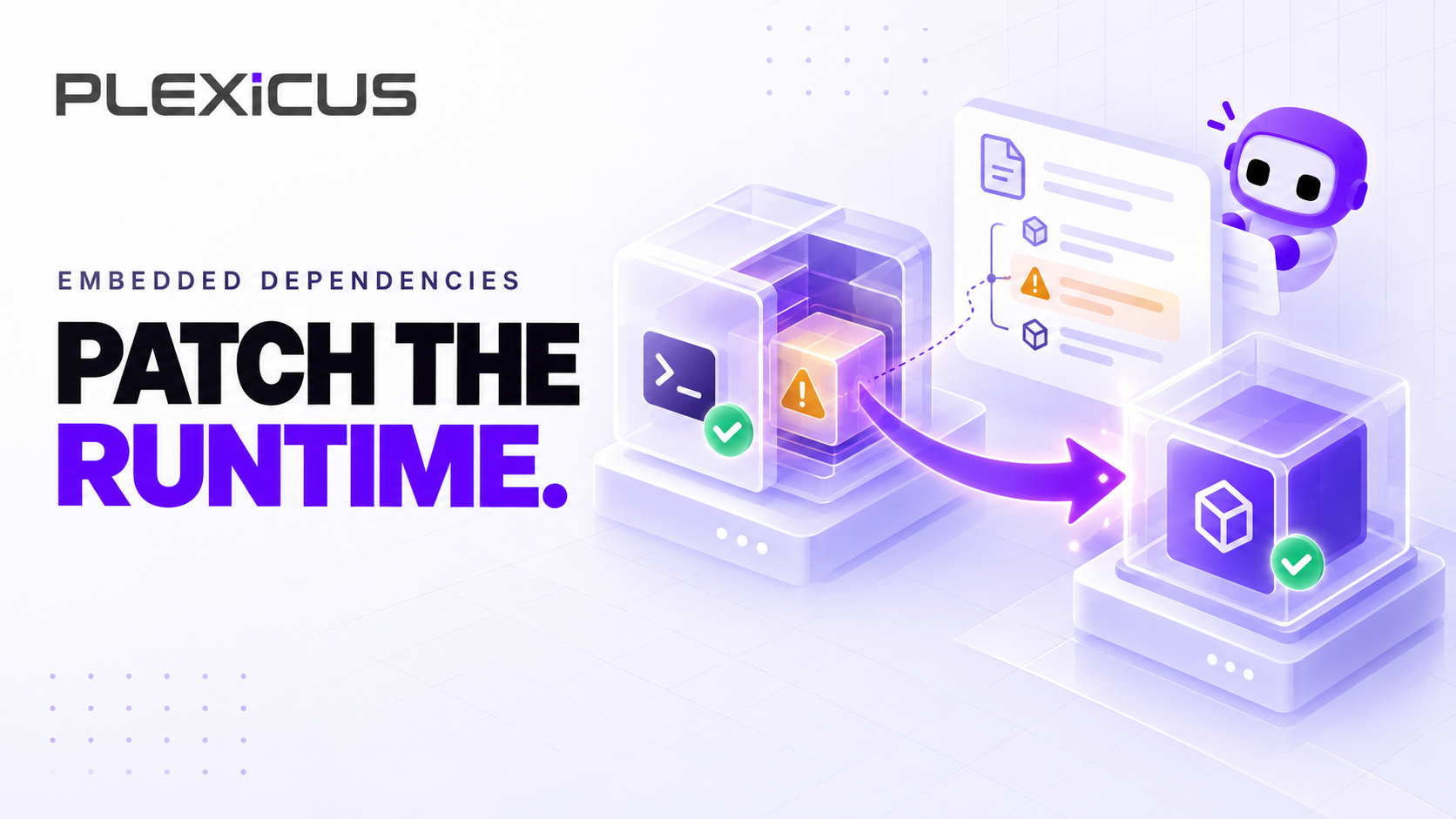
Map embedded Wasmtime dependencies to shipped artifacts, choose the correct advisory fix and verify rebuilt deployments with a Plexicus evidence workflow.
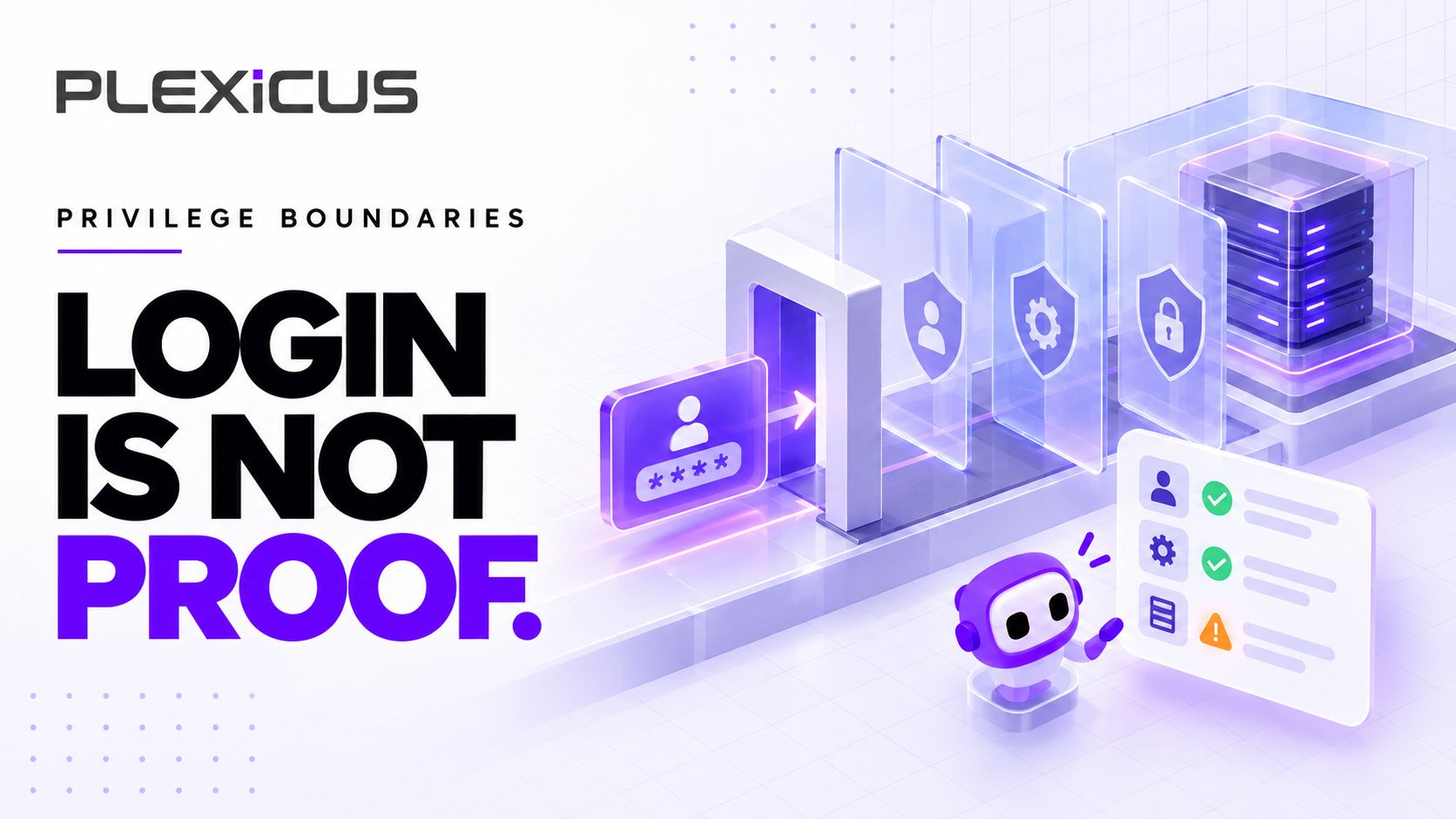
A practical evidence workflow for testing authorization boundaries, connecting code context to impact, and reviewing remediation with Plexicus.
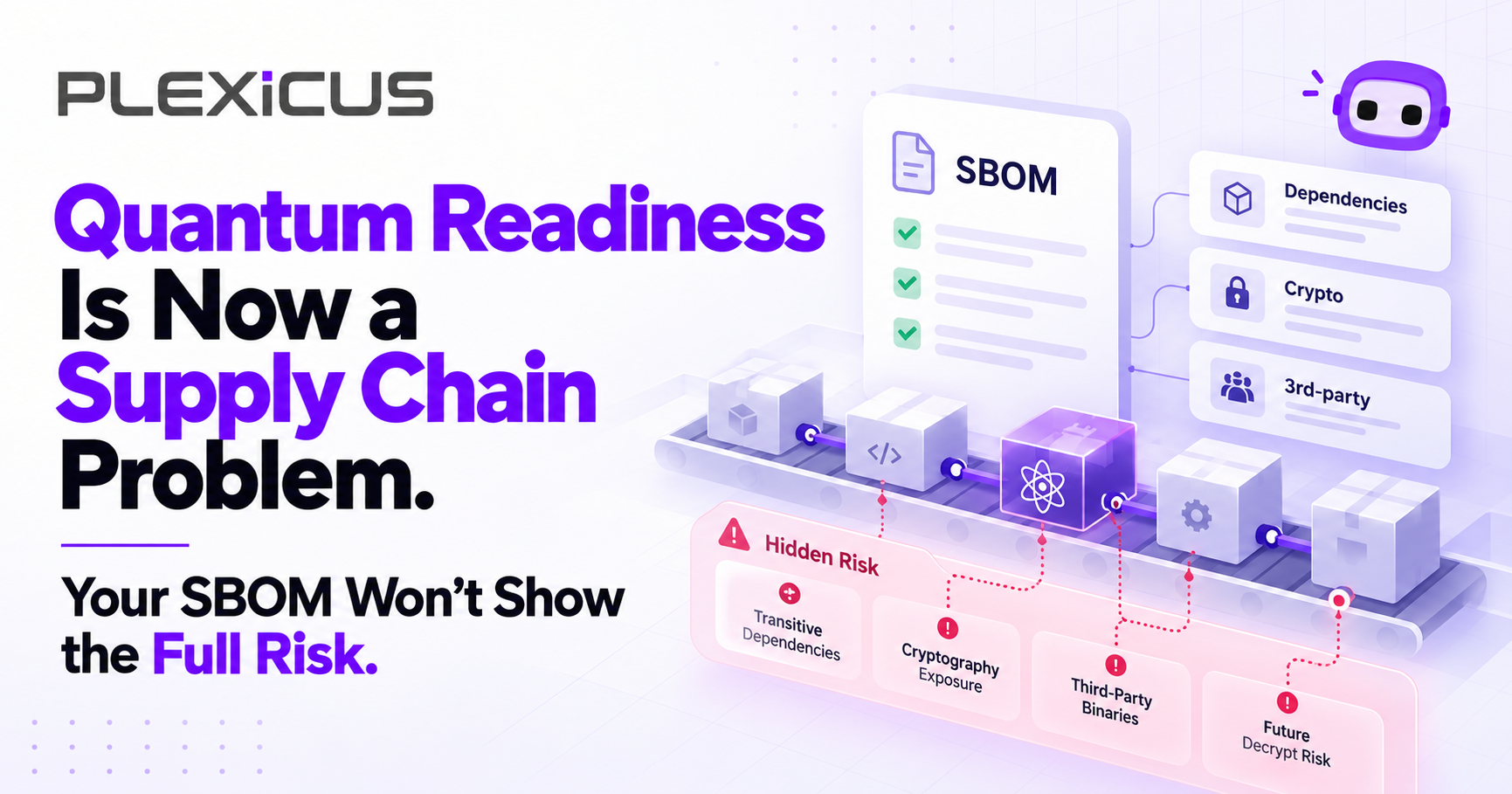
Quantum readiness starts with knowing where cryptography lives. Singapore’s 2026 milestones make discovery urgent, while SBOMs alone cannot show every algorithm, runtime setting or supplier dependency that may need a migration plan.
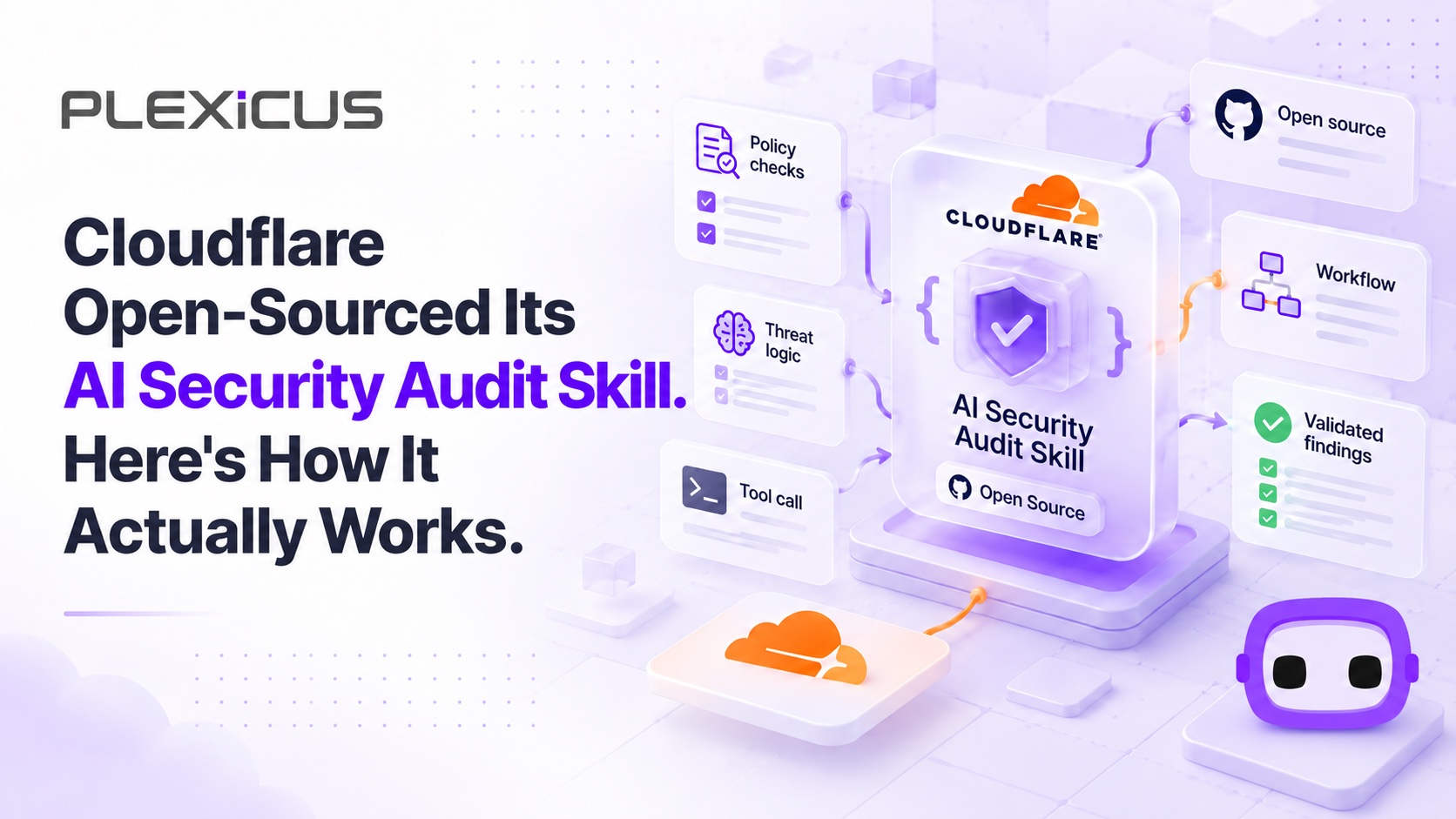
Cloudflare’s open-source coding-agent skill uses coverage-led hunting, independent validation, and structured evidence. Here is what the workflow can—and cannot—establish.
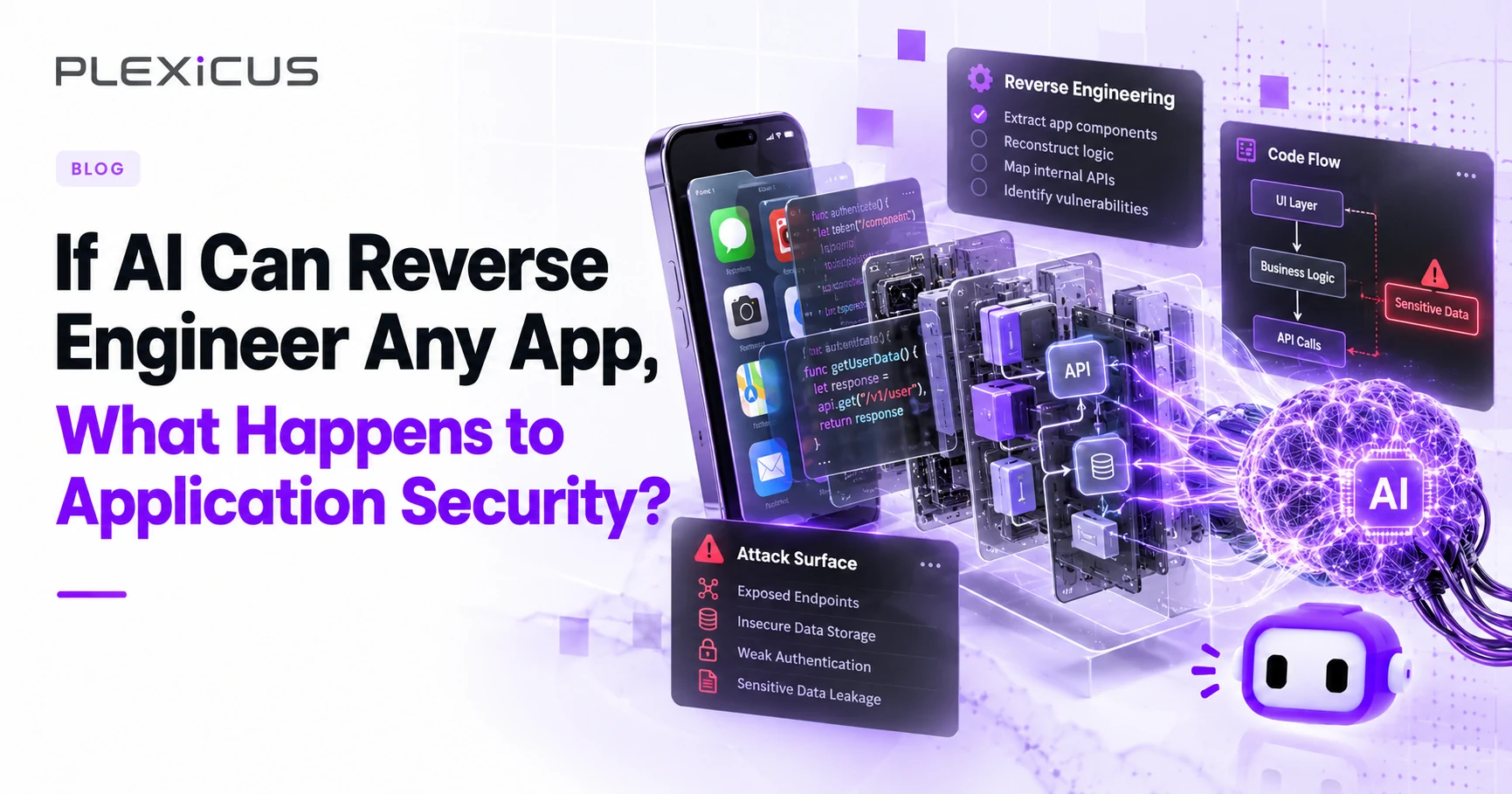
AI can help analysts navigate compiled software, but a decompiler output is not a vulnerability report. See how REA changes analysis, why reverse- engineering agents need protection, and how teams can validate findings.
Three systems asserted a condition and none of them checked whether it still held. A registry reported a package was attested. An evaluation harness reported a model was offline. An assistant reported a package would work.
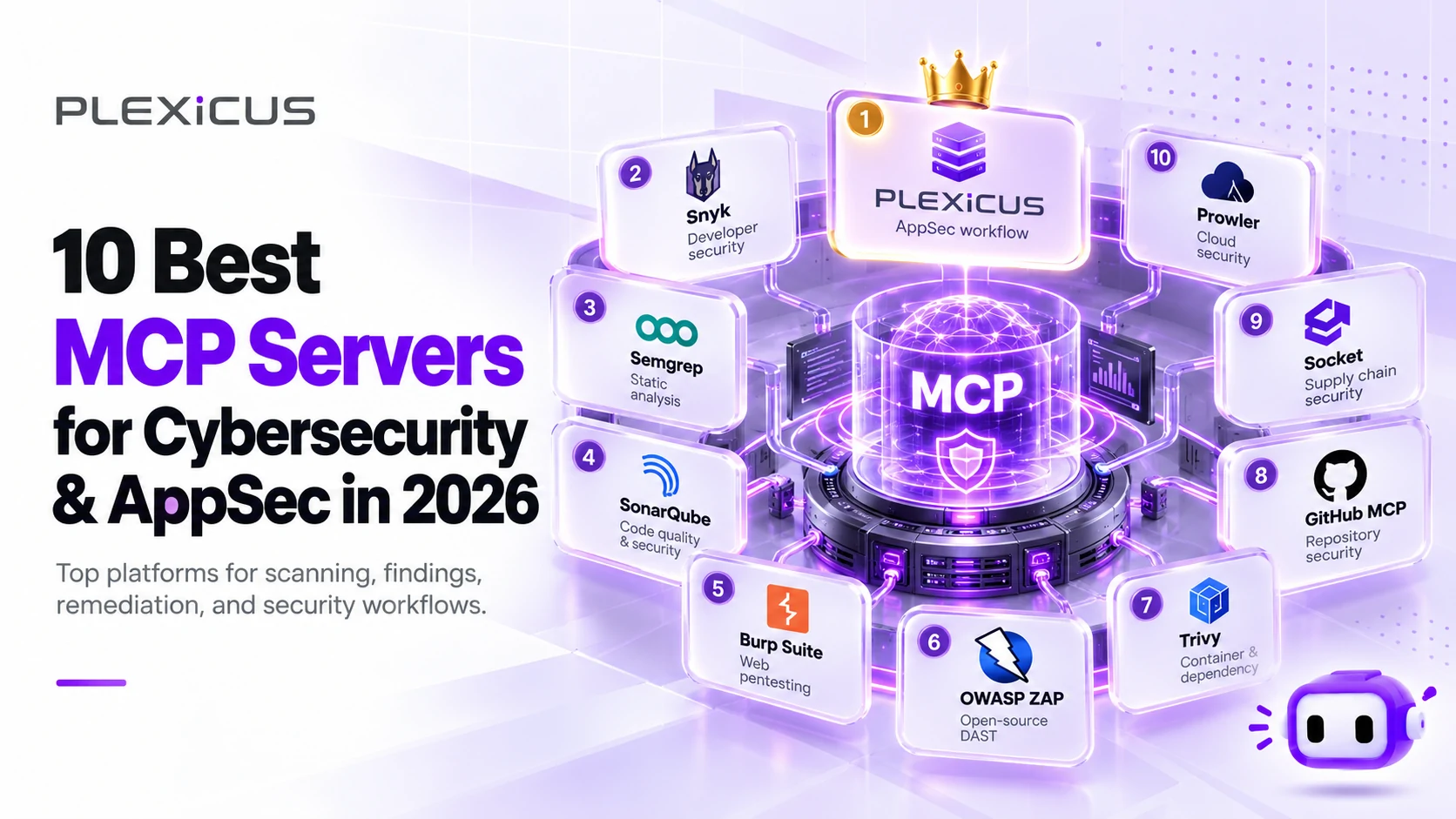
An editorial guide to security MCP integrations for AI-assisted development: repository findings, scanning, web testing, supply chain analysis, and cloud security.
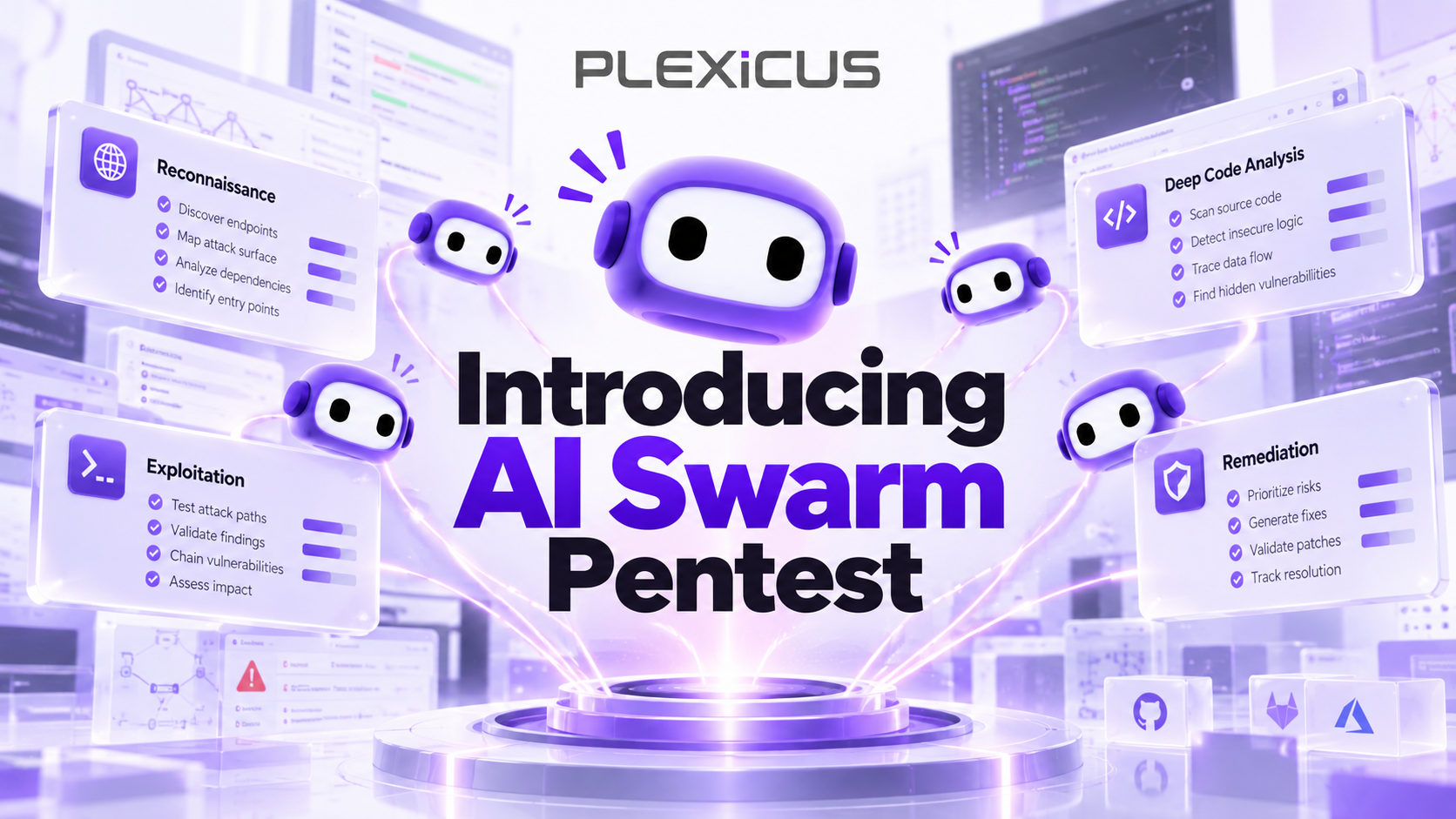
How specialized attack agents share context, challenge hypotheses, and independently verify attack paths inside the Plexicus Proof-Driven AppSec workflow.
A complete guide to application security in 2026, from secure design and software supply chains to testing, exploit validation, remediation, and Proof-Driven AppSec.
A fruit-fly connectome offers a vivid test of a security principle: a demo is not proof until controls show what the advertised system contributes.
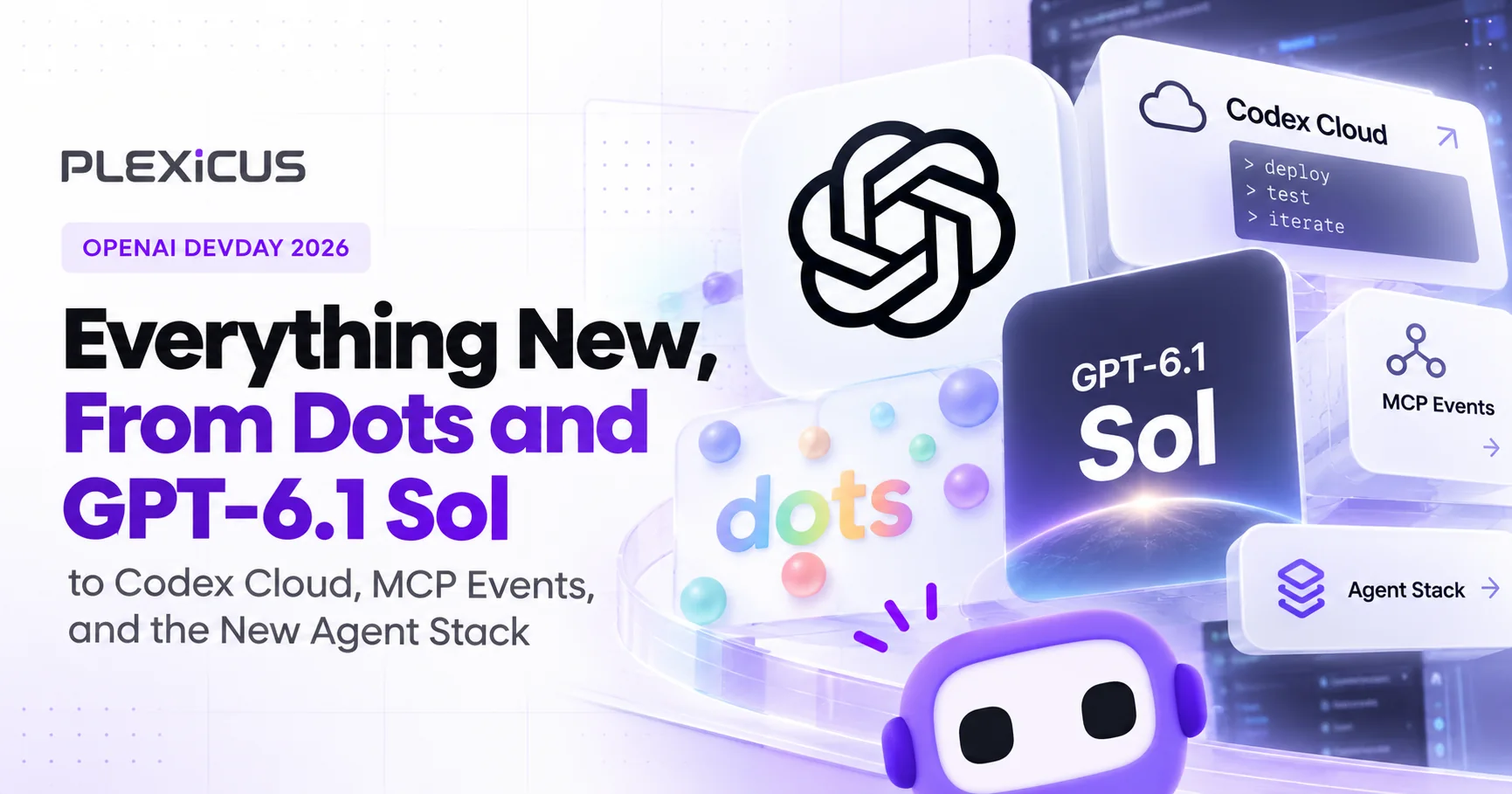
DevDay 2026 connected persistent agents, cloud coding, plugins, events, and shared work. Here is what shipped, what is still coming, and where AppSec boundaries lie.
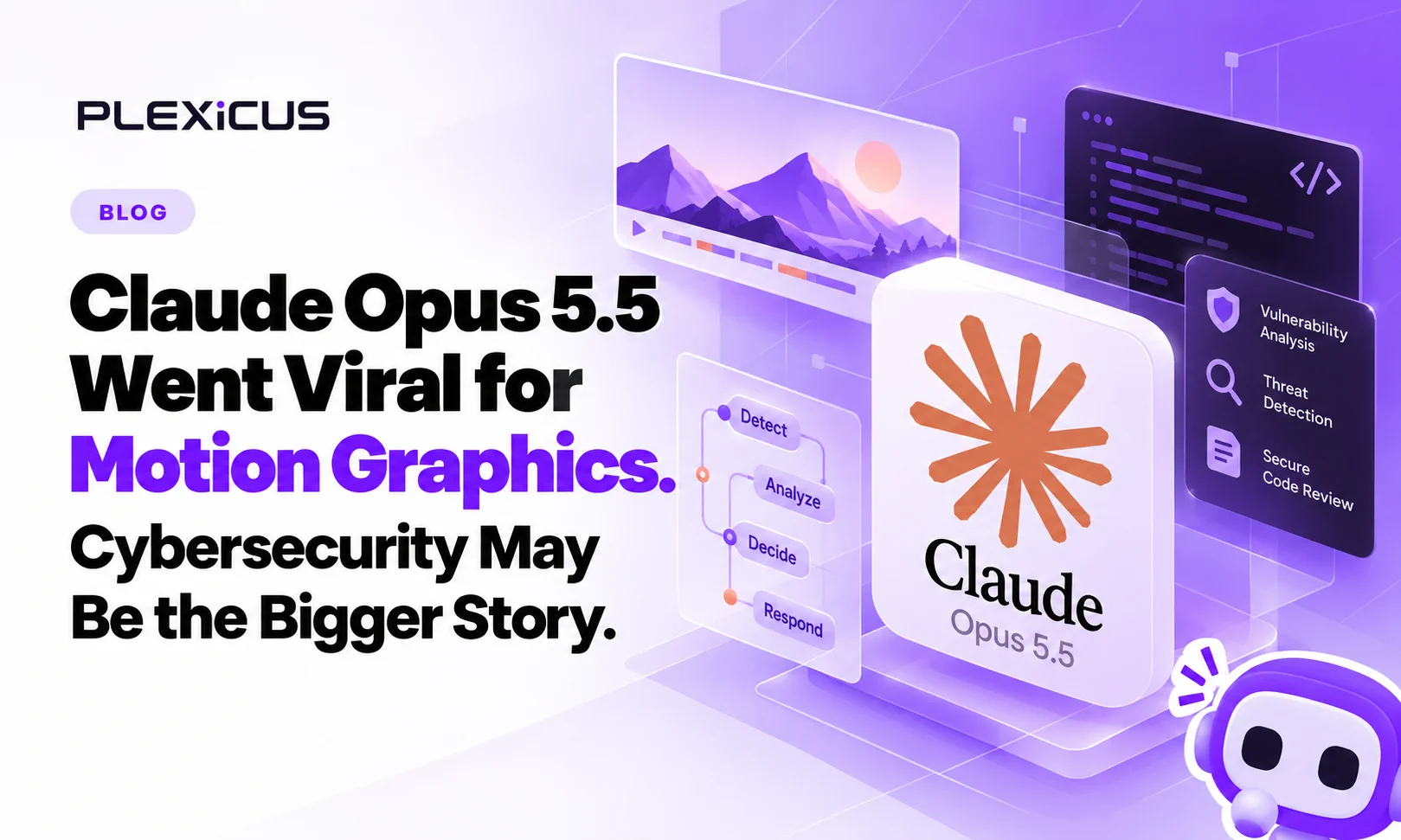
Opus 5.5 motion-graphics demos reveal an agentic loop: plan, write code, run it, inspect, revise. Claude cybersecurity now depends on verification keeping pace.
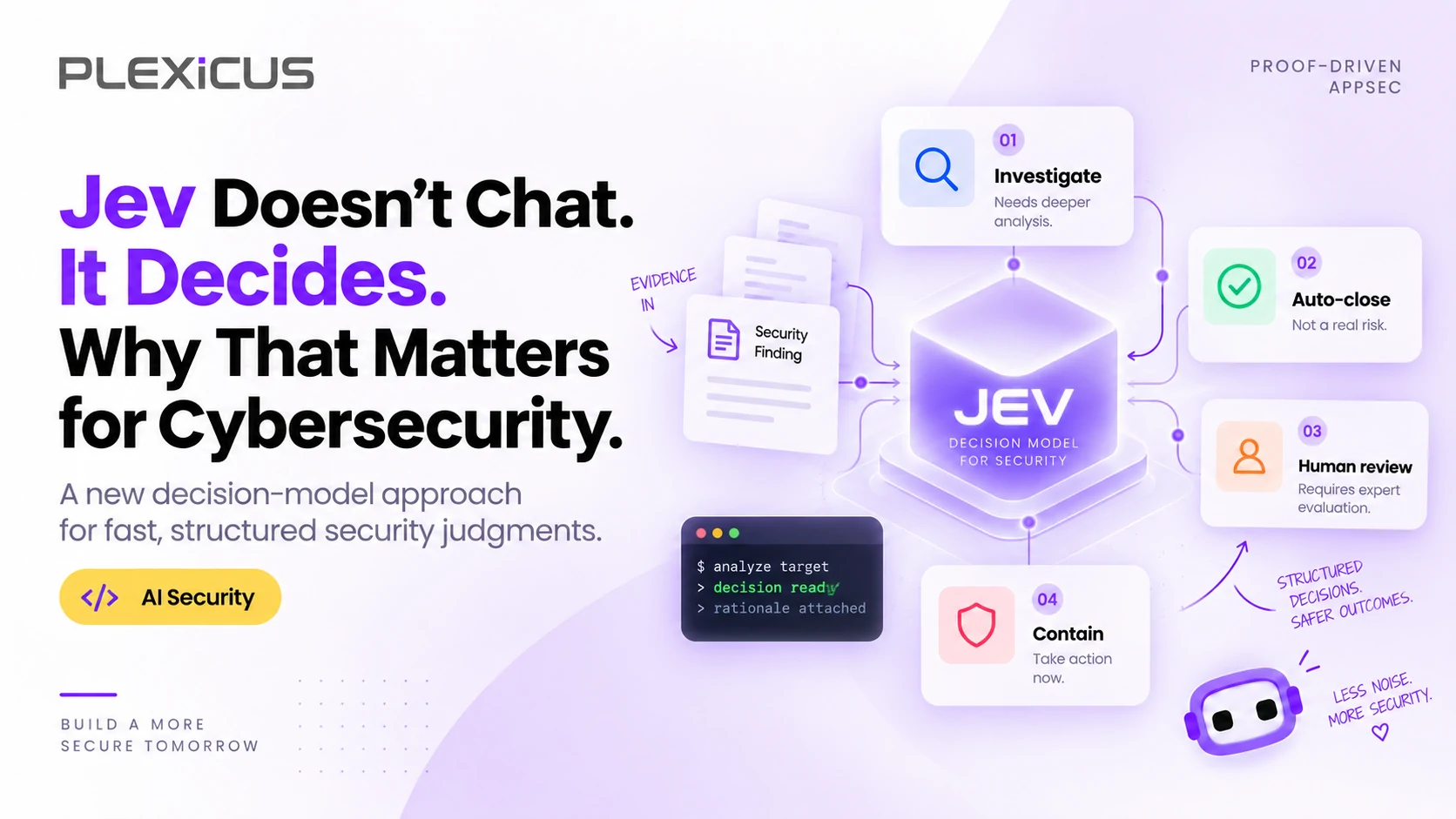
Jev AI returns typed decisions instead of prose. That could change where semantic judgment fits in security workflows, if teams keep policy, fallbacks, verification, and human review.
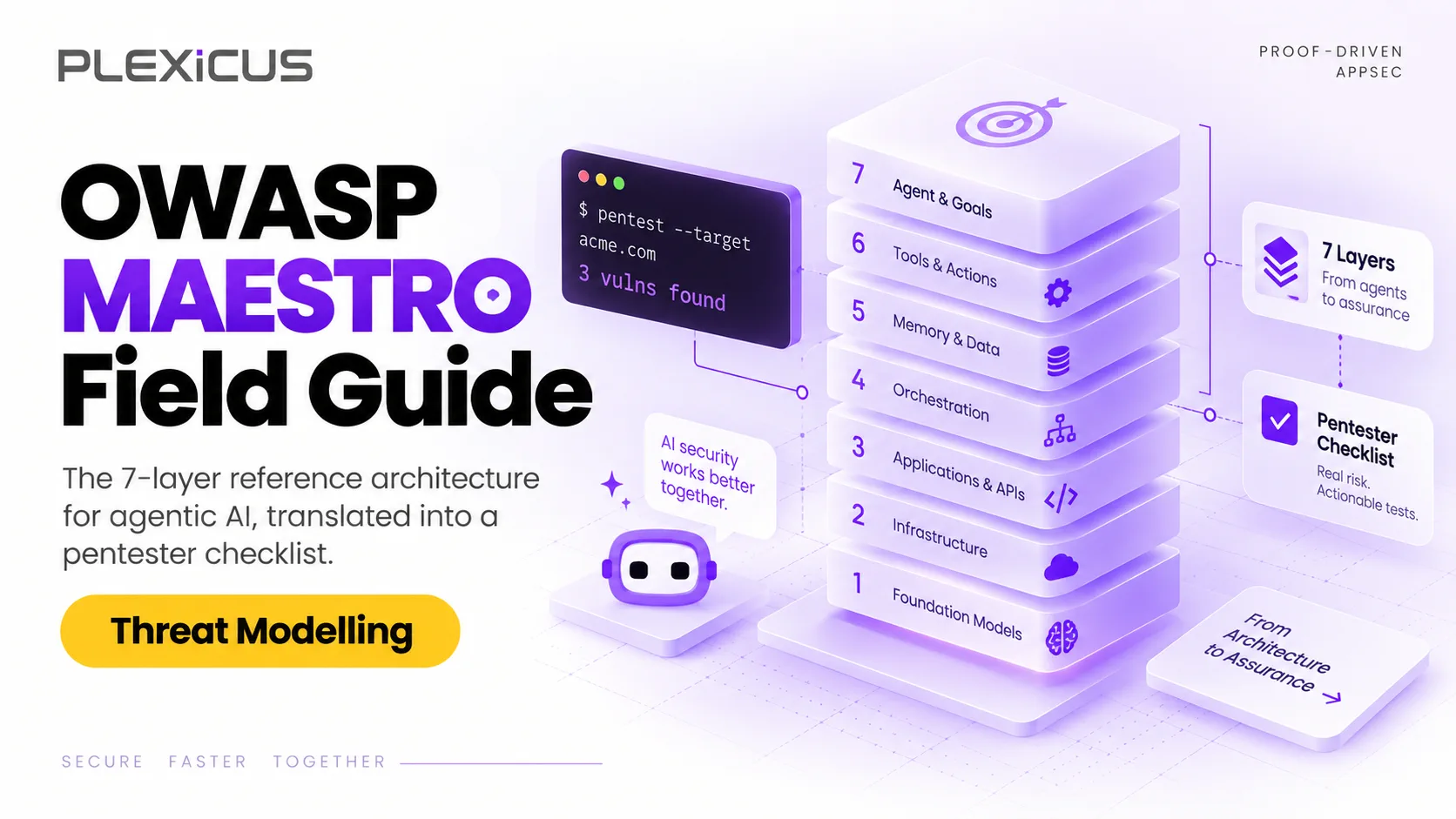
MAESTRO is the Cloud Security Alliance's 7-layer framework for agentic AI threat modeling, applied by the OWASP GenAI Security Project. This guide turns each layer into a pentest checklist.
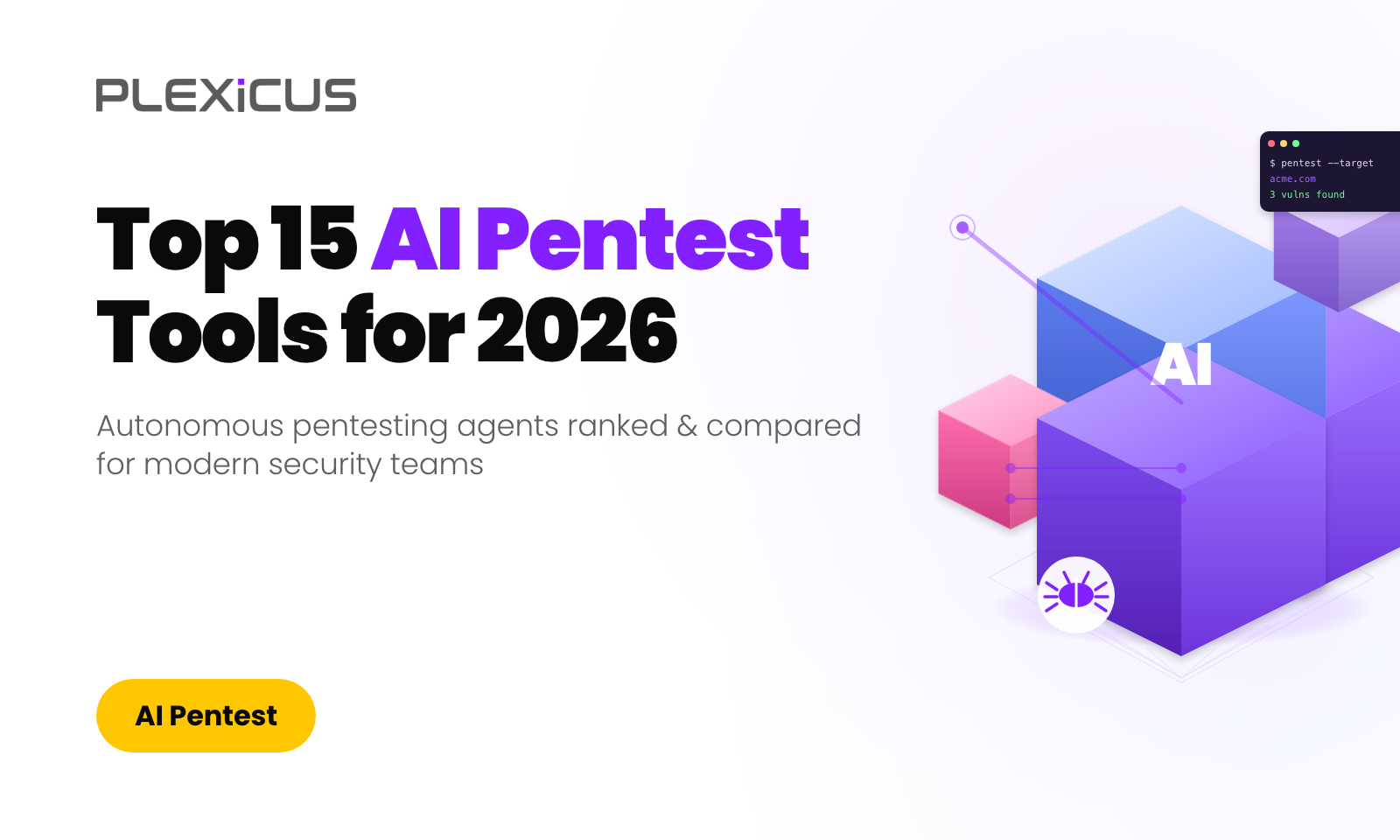
AI penetration testing in 2026 splits into three lanes: autonomous pentest agents, BAS platforms and AI-assisted PTaaS. We compared 15 tools on signed-scope evidence, replay and pricing.
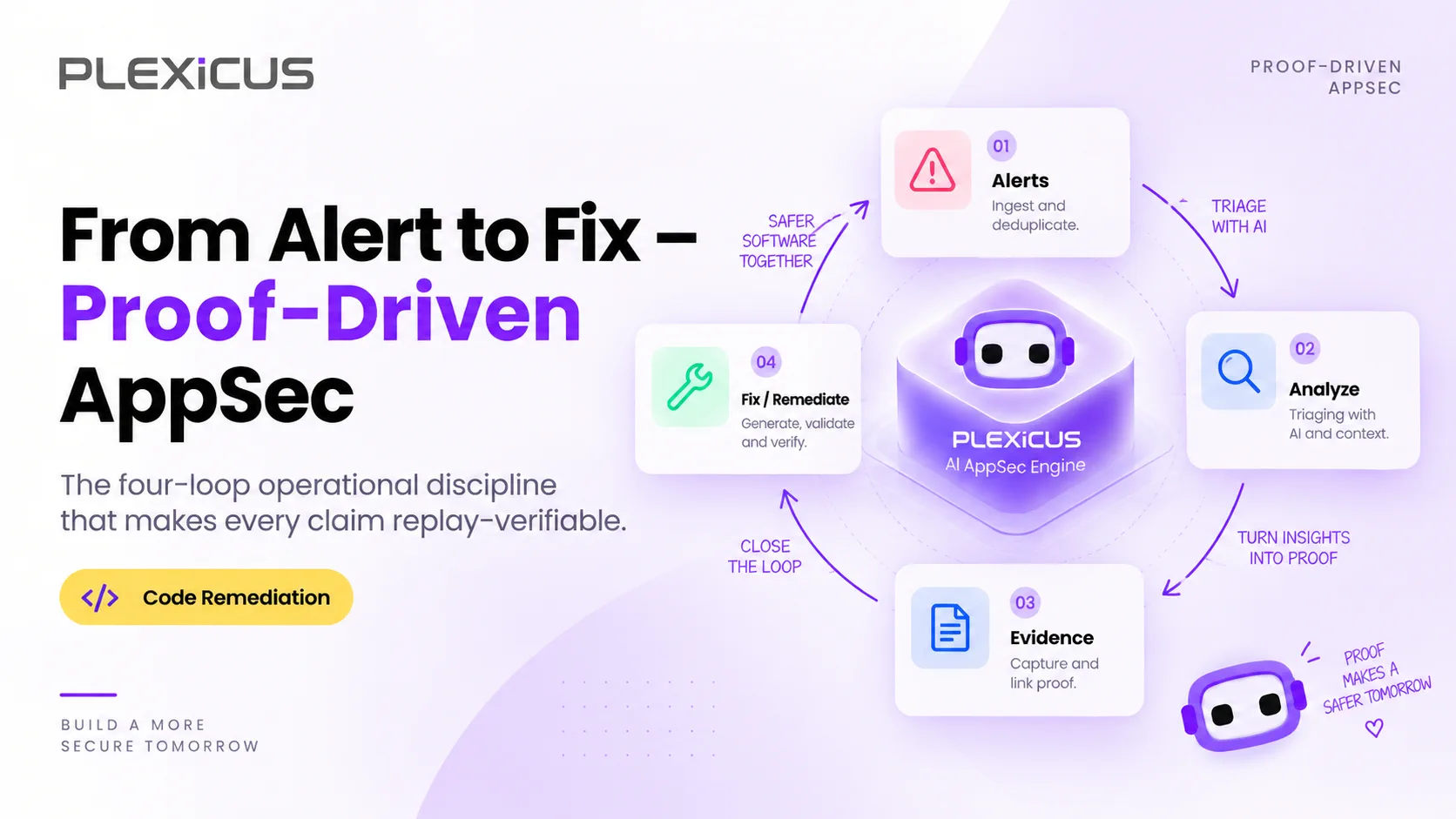
Proof-Driven AppSec is a vulnerability remediation process that closes the loop from alert to merged fix once, with replayable evidence at every step: detect, verify, fix, audit.
AI can remove repetitive AppSec work without removing accountability. Learn how to decide what to automate, what to augment, and when a security decision should be escalated to a person.
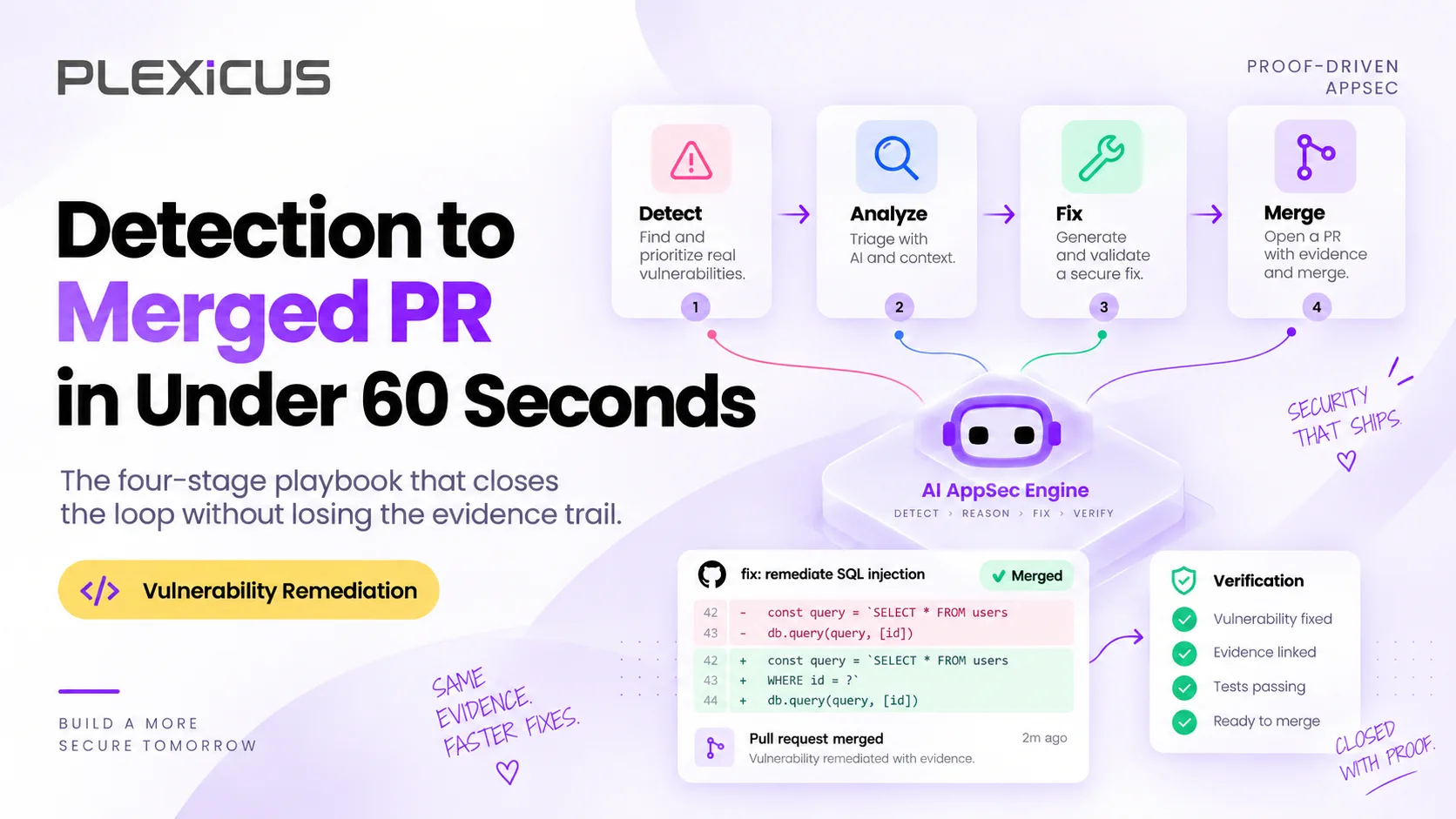
A four-step automated vulnerability remediation playbook that turns a verified finding into a tested, reviewer-ready PR in under 60 seconds, with the evidence attached.
Het uitvoeren van `trivy image` is geen DevSecOpshet is ruisgeneratie. Echte beveiligingstechniek draait om de signaal-ruisverhouding. Deze gids biedt productieklare configuraties voor 17 industriestandaardtools om kwetsbaarheden te stoppen zonder het bedrijf te stoppen, georganiseerd in drie fasen: pre-commit, CI-poortwachters en runtime-scanning.
Het installeren van een beveiligingstool is het makkelijke deel. Het moeilijke deel begint op 'Dag 2', wanneer die tool 5.000 nieuwe kwetsbaarheden rapporteert. Deze gids richt zich op kwetsbaarheidsbeheer: hoe dubbele meldingen te filteren, valse positieven te beheren en de statistieken bij te houden die daadwerkelijk succes meten. Leer hoe u kunt overstappen van 'bugs vinden' naar 'risico's oplossen' zonder uw team te overweldigen.
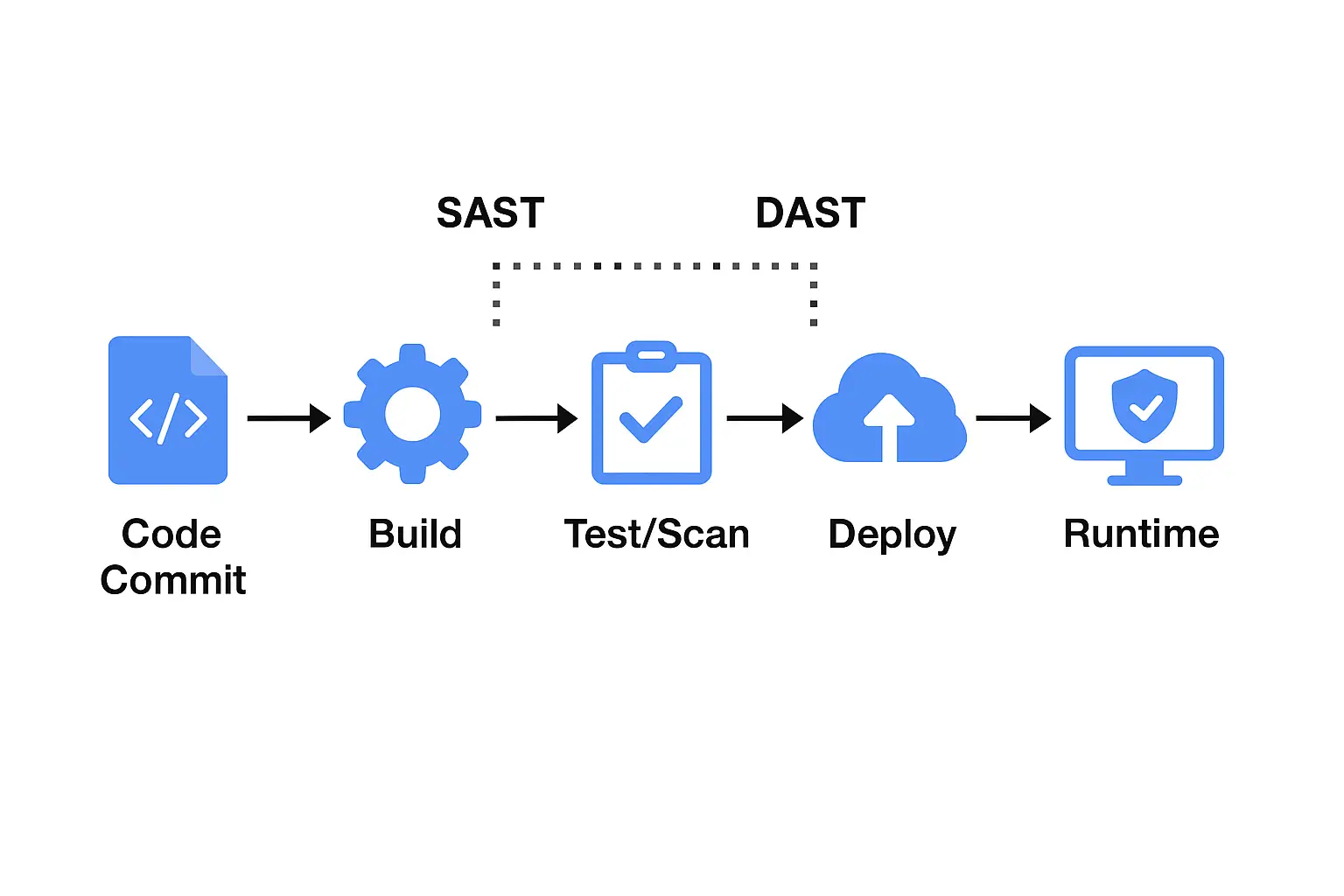
SAST en DAST zijn beveiligingstestmethoden die worden gebruikt om applicaties te beschermen tegen aanvallen. Om te zien hoe elk helpt bij applicatiebeveiliging, laten we kijken naar hun verschillen en waar ze in je workflow passen
Vergelijk toonaangevende ASPM-tools zoals Plexicus, Cycode, Wiz en Apiiro om AppSec-testen en kwetsbaarheidsbeheer te automatiseren
Ontdek de beste API-beveiligingstools om kwetsbaarheden te detecteren, API-aanvallen te stoppen en uw applicaties te beschermen met geavanceerde scanning en testen.
Moderne applicaties zijn sterk afhankelijk van derde partijen en open-source bibliotheken. Dit versnelt de ontwikkeling, maar verhoogt ook het risico op aanvallen. Elke afhankelijkheid kan problemen introduceren zoals niet-gepatchte beveiligingsfouten, risicovolle licenties of verouderde pakketten. Software Composition Analysis (SCA)-tools helpen deze problemen aan te pakken.
Er zijn tientallen SAST-tools op de markt, variërend van open-source tot enterprise-grade. De uitdaging is: Welke SAST-tool is het beste voor uw team?
Webapplicatiebeveiliging is essentieel om uw apps te beschermen tegen cyberaanvallen die zich richten op gevoelige gegevens en de werking verstoren. Deze gids behandelt het belang van webappbeveiliging, veelvoorkomende kwetsbaarheden, beste praktijken en testmethoden, zodat u uw applicatie kunt beveiligen, naleving kunt waarborgen en gebruikersvertrouwen kunt behouden
Een nachtmerrieachtige beveiligingsinbreuk is voor veel Europese bedrijven werkelijkheid geworden. Leer de 15 transformerende DevSecOps-trends die u moet kennen om van de inbreuklijst af te blijven.
Plexicus studeert af van Startup Wise Guys Spring Batch 2025 accelerator programma.
Als je vandaag de dag software bouwt of beheert, ben je waarschijnlijk bezig met microservices, serverloze functies, containers, pakketten van derden en een lawine van nalevingsvakjes. Elk bewegend onderdeel genereert zijn eigen bevindingen, dashboards en boze rode waarschuwingen. Al snel voelt risicovisibiliteit als rijden in de mist van San Francisco om 2 uur 's nachts - je weet dat er gevaar is, maar je kunt het niet helemaal zien.
Plexicus heeft een investering van $150.000 ontvangen van Microsoft om zijn cloudinfrastructuur uit te breiden. Deze financiering zal de systeemprestaties, schaalbaarheid en betrouwbaarheid verbeteren, waardoor Plexicus meer bedrijven kan ondersteunen met AI-gestuurde bedrijfsoplossingen.
Ontdek hoe de nieuwe BlackDuck-integratie van Plexicus de open-source beveiliging verbetert met realtime kwetsbaarheidsdetectie, geautomatiseerde risicoprioritering en naadloze DevSecOps-workflows.
Plexicus lanceert AI-gedreven beveiligingsplatform voor realtime kwetsbaarheidsherstel. Autonome agenten detecteren, prioriteren en verhelpen bedreigingen onmiddellijk.
Een nieuwe samenwerking tussen Plexicus en Céfiros zal de applicatiebeveiliging in 19 landen in Latam en Iberia verbeteren. Deze cyberbeveiligings-samenwerking brengt geavanceerde Application Security Posture Management (ASPM) oplossingen naar organisaties die proactief willen verdedigen tegen cyberdreigingen.

Frameworks zoals DORA, ISO 27001 en NIST SP 800-53 zijn essentieel voor een robuust Application Security Posture Management. Ze helpen organisaties om aan standaarden te voldoen, risico's te verminderen en te voldoen aan regelgeving.
Plexicus is Proof-Driven AppSec: validated findings, contextual understanding, and reviewed remediation — anchored in evidence, scoped with you.